




A guide to Cherrapunjee’s eco parks and gardens
Cherrapunjee, also known as Sohra or Cherrapunji, is celebrated for dramatic waterfalls, mist-covered hills, living root bridges, and some of the wettest landscapes on earth. Yet its appeal is not limited to grand viewpoints and long treks. Around the plateau, eco parks and landscaped gardens offer quieter ways to experience Meghalaya’s forests, cliffs, orchids, streams, and rural scenery.
These green spaces are especially useful for travellers building a multi-day holiday in Sohra. They can be reached by road, combined with nearby waterfalls and caves, and enjoyed at a gentler pace than a full-day trek. Some have formal paths and viewpoints, while others are natural gardens where slippery rocks, uneven ground, and seasonal streams are part of the experience.
A visit is most rewarding when planned around the weather. The monsoon creates spectacular cascades and brilliant foliage, but heavy rain may reduce visibility and make trails muddy. In drier months, viewpoints are often clearer, and walking between rock formations is easier. Carrying suitable footwear, a rain layer, and drinking water makes every stop more comfortable.
Planning your green escape in Sohra
Most eco parks and gardens in the Cherrapunjee region are visited as part of a sightseeing circuit rather than as isolated destinations. A local taxi is generally the most convenient option because public transport between individual attractions can be limited. A driver familiar with Sohra can also adjust the route when rain, road conditions, or crowded viewpoints affect the day.
Allow extra time for short walks. A place that appears close to a parking area may include steps, steep sections, or several viewpoints spread across a hillside. Morning visits usually provide softer light and a calmer atmosphere, while late afternoon can bring beautiful cloud movement across the plateau. Always check current opening hours and entrance fees locally, as these can change.
The parks are more than photo stops. Their value lies in showing how Khasi landscapes combine cultivated plants, native vegetation, exposed limestone, and water. Look for orchids, ferns, moss, bamboo, and plants growing from damp rock faces. During the rainy season, small rivulets may appear beside paths that seem dry at other times of year.
Eco Park and the Nohkalikai landscape
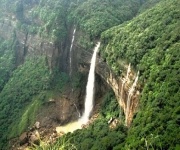
Sohra’s Eco Park is one of the easiest green spaces to include in a Cherrapunjee sightseeing plan. It sits close to the Nohkalikai Falls area and provides broad views over the surrounding escarpment. On clear days, the landscape opens towards the plains of Bangladesh, while low clouds can transform the same panorama into a shifting grey-and-green scene.
The park combines landscaped areas with viewpoints and open spaces. Visitors often come for the scenery surrounding Nohkalikai, but it is worth slowing down to notice the plants, changing light, and distant ridges. The atmosphere can be particularly refreshing after visiting a busy waterfall viewpoint, especially when the wind carries the scent of wet vegetation.
Nohkalikai Falls is one of the region’s essential sights, and a little preparation helps make the stop more enjoyable. Before travelling, read this practical guide on visiting Nohkalikai Falls for local-style planning ideas. Combine the falls and Eco Park in one outing, then continue towards nearby caves or viewpoints according to the weather.
The area can become misty very quickly. Keep cameras and phones protected, remain behind safety barriers, and avoid approaching cliff edges for photographs. The most memorable view is often the one that appears briefly between passing clouds, so patience is more useful than rushing from one viewpoint to the next.
Thangkharang Park and cliffside views
Thangkharang Park is a popular stop near the Mawsmai area, known for its elevated position and far-reaching views. Its location on the edge of the plateau gives visitors a strong sense of Meghalaya’s dramatic geography: forested slopes drop away towards the plains, and the border landscape can stretch into the distance when visibility is good.
The park includes walking areas, gardens, and viewpoints, making it suitable for travellers who want scenery without committing to a long forest hike. Its appeal changes with the season. Monsoon clouds create a powerful, atmospheric setting, while clearer winter and spring days are better for distant views and landscape photography.
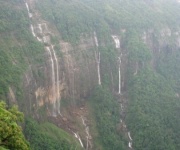
Kynrem Falls can also be seen from the broader Thangkharang area, although the exact appearance depends on rainfall and visibility. During the wet season, streams and waterfalls gain volume, while in drier periods the surrounding rock and forest become more distinct. Plan enough time to enjoy the viewpoint rather than treating it as a quick roadside pause.
Comfortable shoes are useful because paths may be damp, and some sections can be uneven. Families should keep children close to railings and marked routes. The park works well in an itinerary that includes Mawsmai Cave, although cave visits require a different pace and footwear because floors may be wet and rocky.
Garden of Caves and living rock formations
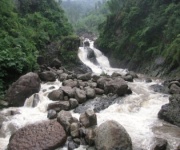
The Garden of Caves, near Laitmawsiang, offers a different experience from the larger viewpoint parks. Instead of focusing mainly on a single panorama, it leads visitors through a natural setting of rocks, small waterfalls, pools, forest, and shaded paths. The formations give the place a garden-like character, with water and vegetation woven through the landscape.
This attraction is best explored slowly. Rock overhangs, narrow passages, and small cascades invite close observation, while the sound of running water creates a peaceful contrast to the exposed escarpment viewpoints. In the rainy season, the site becomes especially lush, but wet rocks can be slippery and some pathways may be harder to navigate.
The Garden of Caves is often included with visits to other southern Sohra attractions. It can fit into a half-day route with nearby waterfalls, viewpoints, or village stops. Because the terrain is more natural than formally landscaped, visitors should allow for pauses, photographs, and careful movement rather than relying on a strict schedule.
Treat the site as a living ecosystem, not an adventure playground. Avoid climbing fragile formations, entering restricted areas, or disturbing insects and plants. Local guides and caretakers can often point out features that are easy to miss, including seasonal water channels and the best paths through the rock garden.
Comparing parks, gardens, and viewpoints
Each green attraction has a different character, so the best choice depends on how much walking, scenery, and natural exploration a traveller wants. Eco Park is convenient and closely linked with the Nohkalikai area. Thangkharang is strongest for elevated views, while the Garden of Caves offers a more intimate encounter with water and rock.
Weather should influence the order of a day’s visits. If clouds are low, a garden or cave may be more satisfying than a distant panorama. If the sky clears, move towards a cliffside park. This flexible approach prevents a memorable trip from depending on a single view.
| Place | Main experience | Walking level | Best suited to | Nearby pairing |
|---|---|---|---|---|
| Eco Park | Landscaped spaces and escarpment scenery | Easy to moderate | First-time visitors and families | Nohkalikai Falls |
| Thangkharang Park | Elevated viewpoints and broad valley views | Easy to moderate | Photography and landscape lovers | Mawsmai Cave |
| Garden of Caves | Rocks, pools, streams, and forest paths | Moderate | Nature-focused travellers | Southern Sohra attractions |
| Local orchid or botanical areas | Seasonal flowers and native greenery | Easy | Plant enthusiasts and relaxed stops | Village and resort routes |
Entrance arrangements, maintenance, and access can vary by season. Confirm current details before setting out, particularly after periods of intense rain. A local taxi operator, resort team, or tour organiser can provide practical updates on road conditions and opening status.
Enjoying the landscapes responsibly
Sohra’s rainfall can make vegetation appear resilient, but many habitats are delicate. Moss, orchids, ferns, and young plants may take years to establish on exposed rock. Stay on marked paths where they exist, and avoid picking flowers or moving stones around pools and streams.
Waste management is especially important in remote green spaces. Carry a reusable bottle and bring back wrappers, tissues, and plastic packaging. Do not leave food scraps near trails, since they can attract animals and alter local conditions. Quiet behaviour also helps preserve the atmosphere and avoids disturbing birds or other wildlife.
Respect Khasi communities and the people who maintain these attractions. Ask before photographing residents, homes, or cultural activities. Follow local instructions at sacred or community-managed sites, and use designated parking and walking routes. An entrance fee is often part of the system that supports maintenance, caretakers, and access improvements.
Visitors can make a practical difference through small choices:
- Wear shoes with reliable grip, especially during the monsoon.
- Carry a rain jacket, waterproof phone protection, and a light layer for changing temperatures.
- Keep to marked paths and never cross barriers at cliff edges or waterfalls.
- Use refillable water bottles and take all non-biodegradable waste with you.
- Support local drivers, guides, homestays, cafés, and community-managed attractions.
Building a practical eco-park itinerary
A two-night stay can include Eco Park and Nohkalikai Falls on one sightseeing day, followed by Thangkharang Park and Mawsmai Cave. This arrangement keeps destinations in nearby areas and leaves time for travel delays, meals, and changing weather. It is a good introduction for visitors who want a broad view of Sohra without scheduling long hikes.
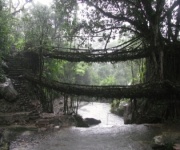
With three or more nights, add the Garden of Caves and reserve another day for a living root bridge, a longer walk, or a quieter village route. The extra time makes it easier to visit viewpoints when clouds lift instead of accepting poor visibility during a fixed excursion. It also reduces the temptation to hurry through natural attractions.
Families, older travellers, and anyone seeking a relaxed holiday can focus on Eco Park, Thangkharang Park, and accessible viewpoints. More active visitors may combine the gardens with caves, forest trails, and waterfall walks, but should assess fitness and weather before committing. Good planning means matching the route to the group rather than trying to see every attraction in one day.
Stay in or near Sohra to reduce early-morning driving and make the most of the landscape. Resorts and hotels can help arrange vehicles, packed meals, local guides, and updates about rain. Start with outdoor viewpoints when visibility is promising, then keep caves and sheltered garden areas as useful alternatives when the clouds settle over the plateau.
Sohra’s eco parks and gardens reveal a gentler side of Meghalaya. They connect spectacular waterfalls and escarpments with orchids, streams, shaded paths, village landscapes, and carefully protected natural spaces. Add these stops to a Cherrapunjee holiday package, plan around the season, and reserve your local transport and accommodation early through Cherrapunjee.net so the journey can unfold at a comfortable pace.