




A guide to Cherrapunjee’s monsoon festivals and celebrations
Rain gives Cherrapunjee, also known as Sohra or Cherrapunji, its most distinctive character. From June to September, cloud settles over the plateau, streams swell into waterfalls, and village roads lead through an intensely green landscape. The season also brings a changing rhythm of community gatherings, religious observances, cultural performances, and regional festivals across Meghalaya.
Some of the best-known celebrations associated with the monsoon take place beyond Sohra itself. Jowai in the Jaintia Hills hosts Behdienkhlam, while other Khasi, Jaintia, and Garo communities follow their own calendars. A well-planned Cherrapunjee holiday can therefore combine time in the rain-soaked hills with a respectful visit to a nearby festival when dates and access make it possible.
The experience is less about watching a staged event and more about understanding how music, faith, food, farming, and community identity come together. Festival dates may follow traditional calendars and can change each year, so travellers should verify local arrangements before setting out.
Why the rainy season feels festive in Sohra
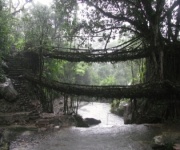
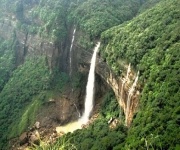
The monsoon is central to life in the Khasi Hills. Rain fills hillside pools, revives streams, supports betel-leaf cultivation, and keeps the living root bridges strong. It also shapes travel: a waterfall that appears modest in winter can become a dramatic silver curtain in July, while mist can transform familiar viewpoints into quiet, shifting scenes.
In and around Sohra, celebrations may include church feasts, village gatherings, cultural programmes, school performances, and community events connected with local institutions. These do not always follow a single tourism calendar. Some are announced close to the date through local networks, parish notices, district offices, or accommodation providers.
Visitors should treat the monsoon as a cultural season rather than expecting a daily festival programme. A trip can include conversations with guides, visits to markets, traditional food, and time in villages between major sightseeing stops. Ask permission before photographing ceremonies, performers, elders, or worshippers, particularly when an event takes place in a church, private courtyard, or sacred setting.
Behdienkhlam and the wider Jaintia tradition
Behdienkhlam is one of Meghalaya’s most striking monsoon festivals. It is chiefly associated with the Pnar people of Jowai in the Jaintia Hills and is generally held in July, though the exact dates vary. The name is commonly interpreted as a ritual for driving away disease or harmful forces. The celebration includes prayer, music, dancing, decorated structures, and a strong sense of collective participation.
The festival’s dramatic elements include large ceremonial poles and structures carried through the town, along with traditional drums and dances. Men and women may have distinct roles in different parts of the observance, and the event includes religious traditions that should not be reduced to spectacle. Local explanations are valuable because customs, meanings, and participation can differ between communities.
Jowai is a substantial journey from Sohra, so attending Behdienkhlam requires a separate itinerary rather than an improvised detour. Travellers staying in Cherrapunjee can ask a Meghalaya-based tour operator whether transport, timing, and accommodation are practical. When roads are wet, allow extra hours and avoid returning after dark on unfamiliar mountain routes.
Other celebrations across Meghalaya
Wangala, the harvest festival of the Garo people, is usually held in November after the monsoon and is associated with thanksgiving to the traditional deity Saljong. It is celebrated mainly in the Garo Hills, far from Sohra. The festival is known for drumming, dancing, distinctive dress, and the famous hundred-drum performances. It is an excellent cultural extension for a longer Meghalaya journey, but it does not belong in a short Cherrapunjee monsoon itinerary.
The Khasi festival Nongkrem Dance generally takes place in November near Shillong, while Shad Suk Mynsiem is usually celebrated in spring. Seng Kut Snem, held in November, commemorates Khasi cultural identity and resistance to the loss of indigenous traditions. Mentioning these festivals matters because visitors often assume that every major Meghalaya celebration occurs during the wettest months or within Cherrapunjee.
The region’s cultural calendar is broad and community-specific. A festival’s location, date, and format can change, and some occasions are primarily religious rather than tourist events. This is why a local guide can add more value than a fixed sightseeing checklist: they can explain whether visitors may watch, where to stand, and which parts should remain private.
A practical monsoon celebration calendar
The calendar below is a planning guide rather than a guarantee. Dates can shift according to traditional calculations, local decisions, weather, and administrative arrangements. Confirm the current year’s schedule before booking transport around a particular festival.
| Celebration or seasonal experience | Usual period | Main location or setting | Relevance to a Sohra trip |
|---|---|---|---|
| Monsoon village gatherings and cultural programmes | June to September | Sohra and nearby Khasi villages | Often local and variable; ask guides or hosts |
| Behdienkhlam | Usually July | Jowai, Jaintia Hills | A major regional festival requiring a separate day or overnight plan |
| Waterfall and living-root-bridge season | June to September | Sohra, Nongriat, and surrounding areas | The landscape itself becomes part of the seasonal experience |
| Wangala | Usually November | Garo Hills | Best added to a wider Meghalaya cultural route |
| Nongkrem Dance | Usually November | Near Shillong | Outside the monsoon and not close to Sohra |
| Seng Kut Snem | Usually November | Khasi Hills, including Shillong-area venues | A cultural observance that may suit a later-season itinerary |
The strongest monsoon combination is often a flexible Sohra stay rather than a rushed festival chase. Keep at least two or three nights for weather-dependent walks, waterfall viewpoints, and village visits. The eco-parks and gardens guide can help balance cultural activities with quieter outdoor stops when heavy rain affects longer excursions.
How to attend with respect
Dress modestly and bring clothing that remains comfortable when damp. Traditional celebrations may take place in public spaces, but public access does not mean every moment is open for close observation. Stay behind barriers, follow instructions from organisers, and avoid stepping into a procession route for photographs.
Photography and recording deserve particular care. Ask before using a camera near rituals, prayer, traditional healers, or children. Do not use flash during solemn observances, and do not interrupt dancers or musicians to request a pose. A guide who speaks Khasi or understands local etiquette can make introductions and prevent accidental breaches of custom.
Food is another way to encounter the region’s culture, although festival menus vary. Look for local preparations featuring rice, pork, smoked meat, fish, seasonal greens, fermented ingredients, and distinctive Khasi or Jaintia flavours. Tell hosts about allergies and dietary requirements in advance, and choose reusable bottles and containers where possible to reduce waste during crowded events.
Planning routes around rain and celebration days
Sohra is accessible from Shillong by road, and most visitors arrive through Guwahati and Shillong before continuing into the hills. During the monsoon, journey times can lengthen because of standing water, landslides, traffic, and low visibility. A festival transfer should include generous buffers, especially if it involves Jowai, Shillong, or the Garo Hills.
A two-night stay can cover the main Sohra viewpoints and selected waterfalls, but three to five nights create room for weather changes and a cultural visit. Add extra time for Nongriat’s living root bridge, as the trek includes many steps and becomes slippery in rain. Some caves, trails, and forest areas may also close temporarily for safety.
Accommodation ranges from hotels and resorts to smaller guesthouses. Choose a base with covered parking or reliable transfers, drying space, power backup, and staff who can advise on road conditions. Mobile connectivity can be inconsistent in valleys, so save offline maps, carry emergency contacts, and share your day’s route with someone at your accommodation.
What to carry for a comfortable visit
The right equipment makes it easier to enjoy a celebration without turning every movement into a struggle. Pack light, quick-drying layers rather than heavy cotton, and keep electronics in waterproof pouches. A small daypack is more useful than a large suitcase during village visits or short treks.
Use the following checklist when preparing for a monsoon festival journey:
- A dependable rain jacket or poncho, plus a compact umbrella for slow-moving outdoor events
- Waterproof walking shoes with firm grip and an extra pair of socks
- Quick-drying clothes, a warm layer for misty evenings, and a modest outfit for religious spaces
- A dry bag or sealed pouch for phones, documents, cash, and camera equipment
- Insect repellent, personal medicines, sunscreen, reusable water bottle, and basic first-aid supplies
Carry small cash denominations because rural vendors and temporary stalls may not accept digital payments. Keep plastic waste with you until you find a proper disposal point, and avoid collecting flowers, plants, stones, or ceremonial materials as souvenirs. The landscapes around Sohra include ecologically sensitive forests, caves, streams, and sacred groves that deserve careful treatment.
The most rewarding way to experience Cherrapunjee’s monsoon festivals and celebrations is to build a trip around time, context, and local guidance. Check the current festival dates, reserve transport early for important events, and leave space for rain to alter the plan. Browse Cherrapunjee travel packages for multi-day options, then arrange a journey that combines Sohra’s waterfalls and villages with the cultural occasion you want to witness.