




A Guide to the Eco-Parks and Gardens in Cherrapunjee
Cherrapunjee, widely known by its traditional name Sohra, is celebrated for dramatic cliffs, mist-covered hills, waterfalls, caves, and living root bridges. Its parks and gardens offer a gentler way to experience this landscape. Instead of rushing from one major attraction to another, visitors can pause among native plants, forest paths, viewpoints, and carefully protected natural spaces.
The eco-parks around Sohra vary considerably. Some are designed around panoramic views, while others combine landscaped gardens with streams, rock formations, caves, or short walking trails. Together, they show how tourism in Meghalaya can support appreciation for the environment while creating memorable places for families, photographers, and nature lovers.
A visit is most rewarding when planned around weather, walking ability, and the wider route. Cherrapunjee receives substantial rainfall, so pathways may be wet and slippery even when skies appear clear. Comfortable footwear, a light rain layer, and enough time to explore slowly are essential.
What Makes Sohra’s Green Spaces Special
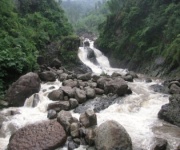
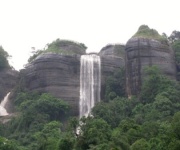
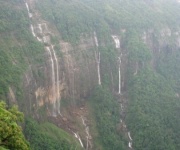
The parks and gardens of Cherrapunjee sit within a landscape shaped by monsoon rain, limestone, grasslands, and subtropical forest. Water runs through the terrain for much of the year, carving ravines and feeding waterfalls. Mosses, ferns, orchids, medicinal plants, and other moisture-loving species thrive in shaded areas, while exposed ridges offer wide views over the Bangladesh plains.
These attractions also reflect local ideas about land and community. In Meghalaya, many natural sites are closely connected to village stewardship, traditional knowledge, and customary practices. A well-maintained garden or viewpoint may appear simple, yet it can protect fragile vegetation, reduce uncontrolled foot traffic, and give nearby communities a role in tourism.
The term “eco-park” can describe several different experiences. Some sites have marked paths, landscaped areas, interpretation points, and viewpoints. Others feel closer to a forest reserve or a privately managed nature attraction. Visitors should follow signs, avoid picking plants, keep noise low, and carry waste out when bins are unavailable.
Eco Park and Thangkharang Park
Cherrapunjee Eco Park is one of the most recognizable green attractions in the area. Located near the main Sohra circuit, it is known for open lawns, planted sections, walking areas, and expansive views toward the distant plains. On a clear day, the setting is especially impressive, while mist creates a quiet, atmospheric mood during wetter conditions.
The park works well as a relaxed stop between waterfalls and other sightseeing points. Families can enjoy the open space, and photographers can use the viewpoints to capture changing light over the hills. Early visits often provide softer light and a calmer atmosphere. During the monsoon, expect wet grass, puddles, and reduced visibility rather than guaranteed long-distance views.
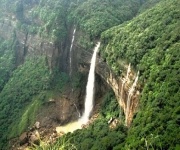
Thangkharang Park offers a different character. It is associated with steep valley scenery, forested slopes, and viewpoints facing the Kynrem Falls area and the plains beyond. Its elevated location makes clouds and fog part of the experience. The scenery can change within minutes, with a distant valley disappearing and reappearing through moving mist.
Allow time for short walks rather than treating Thangkharang Park as a quick photo stop. Stay behind barriers at exposed edges, particularly when surfaces are wet or winds are strong. The dramatic topography can make distances difficult to judge, and children should remain close to accompanying adults.
Gardens, Forest Paths, and Natural Playgrounds
Sa-I-Mika Park is a popular recreational space with gardens, trees, open areas, and viewpoints. Its name is often associated with a pleasant, family-friendly setting, and the park can suit travelers who want a break from steep trails. It provides room for a picnic-style pause, although visitors should check current local rules regarding food, photography, and opening hours.
The Garden of Caves, near Laitmawsiang, combines landscaped features with natural formations, watercourses, and short walking routes. It is more than a conventional flower garden: rocks, small cascades, forest vegetation, and cave-like spaces create an exploratory atmosphere. Footwear with good grip is useful because damp stone can become slick.
These attractions are particularly enjoyable for travelers who prefer variety. A single visit may include a stream crossing, a shaded path, a garden section, and an overlook. However, the terrain is not always fully accessible. Uneven ground and steps can make movement difficult for visitors with limited mobility, so ask locally about current path conditions before committing to a longer walk.
Botanical areas and resort gardens around Sohra may also feature ornamental plants, orchids, bamboo, and indigenous trees. Their appearance changes with the seasons. The wet months bring lush growth and active streams, while drier periods may offer clearer skies and easier walking. Gardens should be viewed as living landscapes rather than static displays.
Responsible Visits During the Monsoon
Rain is central to Cherrapunjee’s identity, but it also affects safety and conservation. Heavy showers can make small streams rise quickly, loosen stones, and reduce traction on steps. A pathway that was easy in the morning may be muddy later in the day. Check local conditions, avoid entering closed areas, and do not attempt risky viewpoints for a photograph.
The most useful packing choices are practical rather than elaborate. Bring quick-drying clothing, a waterproof phone pouch, a compact umbrella or rain jacket, and shoes with firm soles. Insect repellent, drinking water, sun protection, and a small first-aid kit can also be valuable. Carry reusable bags for snacks and waste because facilities may be limited outside the main park areas.
| Place | Main Experience | Best For | Time to Allow | Weather Note |
|---|---|---|---|---|
| Cherrapunjee Eco Park | Lawns, planted spaces, and valley views | Families, photographers, relaxed sightseeing | 45–90 minutes | Mist can hide distant scenery |
| Thangkharang Park | Clifftop viewpoints and dramatic valleys | Landscape photography and short walks | 45–75 minutes | Wind and wet edges require care |
| Sa-I-Mika Park | Green recreation areas and gardens | Families and leisurely breaks | 45–90 minutes | Open sections may feel exposed in rain |
| Garden of Caves | Rocks, streams, caves, and garden paths | Explorers and nature enthusiasts | 1–2 hours | Stones and steps can be slippery |
| Local botanical or resort gardens | Plants, shade, and quiet surroundings | Slow travel and plant lovers | 30–60 minutes | Seasonal flowering varies |
How to Fit Parks into a Sohra Itinerary
Most visitors can combine two or three parks with nearby attractions in a single day. Eco Park and Thangkharang Park fit naturally into a western or central Sohra sightseeing route, while the Garden of Caves may require additional driving depending on the day’s plan. A driver or local guide can help sequence the stops according to road conditions and opening times.
Parks pair well with major natural attractions such as Nohkalikai Falls, Seven Sisters Falls, Mawsmai Cave, and nearby viewpoints. Avoid packing too many locations into one schedule. The roads may be slower during rain, and the enjoyment of a garden depends on having enough time to walk, observe, and wait for the clouds to lift.
Travelers visiting areas with particular access rules should review the guidance on restricted area permits before finalizing plans. Requirements can vary according to location, nationality, route, and current administrative instructions. Carry identification and keep digital and printed copies of important booking information where practical.
A multi-day stay makes the experience more comfortable. A seven-night itinerary, such as this Sohra travel package, can provide room for gardens, waterfalls, caves, villages, and living root bridges without turning every day into a race. Shorter two- or three-night visits can still include the principal parks when routes are planned efficiently.
Choosing the Right Green Attraction
The best park depends on the kind of experience a traveler wants. Visitors seeking broad scenery should prioritize Eco Park or Thangkharang Park. Those who prefer a more varied walking environment may enjoy the Garden of Caves. Sa-I-Mika Park is suited to a slower stop with open space, while small botanical or resort gardens appeal to people interested in plants and quiet observation.
Families should consider path surfaces, toilet access, shelter, and the amount of time children can comfortably spend outdoors in rain. Photographers may prefer early morning or late afternoon, although cloud cover can be unpredictable. Older travelers and anyone with mobility concerns should ask about stairs, slopes, and muddy sections before entering.
Keep expectations flexible. A garden in Sohra may be at its most beautiful when rain beads on leaves and streams run strongly, even if the horizon is hidden. Conversely, a clear day may reveal distant landscapes but make popular viewpoints busier. The value of these places lies in their changing atmosphere as much as in any single view.
Practical Recommendations for Your Visit
A little preparation makes green attractions safer, calmer, and more enjoyable. Use these simple priorities when planning your day:
- Wear waterproof, closed footwear with reliable grip for muddy paths and wet stone.
- Visit viewpoints early when possible, before crowds and afternoon cloud build-up.
- Carry drinking water, a rain layer, snacks, and a reusable bag for personal waste.
- Follow barriers and marked routes, especially near cliffs, caves, streams, and waterfalls.
- Ask your driver, hotel, or local guide about current access, weather, and road conditions.
Respectful behavior also protects the character of these destinations. Do not carve names into rocks, disturb plants, feed wildlife, or play loud music in quiet forest areas. Ask permission before photographing local residents, workers, or private gardens. Small choices help preserve the appeal that draws visitors to Sohra in the first place.
Plan a Greener Cherrapunjee Holiday
The eco-parks and gardens of Cherrapunjee reward travelers who leave space in their itinerary for weather, walking, and discovery. They connect dramatic Meghalaya scenery with accessible, lower-intensity experiences that can suit couples, families, photographers, and first-time visitors alike.
Explore the available Cherrapunjee vacation packages and arrange a stay that includes the parks, waterfalls, caves, and living root bridges best suited to your interests. Contact India Beacons Sojourn through Cherrapunjee.net to plan the route, accommodation, transport, and local sightseeing details for your next journey to Sohra.