




How to Get Permission for Restricted Areas near Cherrapunjee
Cherrapunjee, also known as Sohra or Cherrapunji, is easy to visit for most travellers, but some places around the plateau require more than simply arriving at a viewpoint. Forest reserves, caves, living root bridges, border villages, and privately managed attractions may have separate entry rules. The required permission can be a government document, a local guide arrangement, a village contribution, or a site ticket issued at the entrance.
The first step is to identify what kind of restriction applies to your destination. A permit connected with immigration or national security is different from a forest entry pass, while a village council fee is different again. Confusing these categories can lead to unnecessary delays or, more seriously, an attempt to enter an area without the approval of the people responsible for it.
Sohra sits in one of Meghalaya’s wettest and most environmentally sensitive landscapes. Heavy rain, steep valleys, slippery trails, and seasonal road closures also affect access. Travellers should therefore check the latest conditions before leaving Shillong and carry identification even when a formal permit is not normally required.
Know Which Rules Apply
Indian citizens generally do not need an Inner Line Permit to enter Meghalaya, and Cherrapunjee itself is not ordinarily treated as a permit-only destination. Visitors can travel from Shillong by road and stay in registered hotels, resorts, homestays, or guesthouses without arranging a special entry document for the town.
Rules can change when an itinerary reaches a protected forest, a border-sensitive location, or land managed by a village council. Places near the Bangladesh border may have security controls, and access to certain forest trails can be limited during intense monsoon conditions, conservation work, or local events. A roadblock or warning sign should be treated as an active instruction rather than an inconvenience to bypass.
Foreign nationals should carry their passport, valid Indian visa or electronic travel authorisation, and accommodation details. Meghalaya is generally accessible to foreign visitors without the Protected Area Permit system used in certain other northeastern states, but immigration registration requirements and local security checks may still apply. Nationality, visa category, length of stay, and the destination on the itinerary can affect the advice given by officials.
Check the Destination Before You Travel
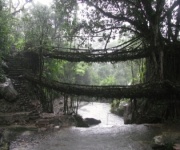
Start by listing every place you plan to visit rather than asking for a general “Cherrapunjee permit.” A waterfall reached through community land may have a local entry fee, while a cave in a forest area may require a guide or a forest department ticket. The trek to Nongriat and its living root bridge is commonly managed through local access arrangements, and visitors should follow the instructions of the village and trail representatives.
Caves, waterfalls, and remote viewpoints can also be closed temporarily for safety. Flash floods may make river crossings dangerous, and trails can become unstable after landslides. The fact that a location appears on a map or in a travel video does not mean it is open on the day of your visit.
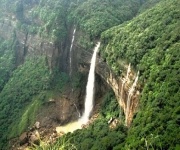
Sohra’s identity is closely tied to its extraordinary rainfall; the wettest place story also helps explain why water levels, road conditions, and trail access can change so quickly. A local operator or accommodation host can often confirm whether a site is open and which person or office issues permission.
Where to Ask for Authorisation
For a normal sightseeing route, ask your hotel, resort, or tour operator to confirm the current access arrangements. Local businesses regularly work with drivers, guides, village committees, and site caretakers, so they can often identify the correct contact faster than a traveller making separate enquiries. This is especially useful for early departures, multi-stop tours, and visits during the monsoon.
The Meghalaya Forest Department is the appropriate source for questions involving reserve forests, protected habitats, forest trails, or regulated entry. If a destination is near an international border, contact the local police station or district administration before travelling. Security personnel may request identification, ask about the purpose of travel, or restrict photography and movement.
Village councils and local community organisations may manage access to waterfalls, caves, trekking routes, and living root bridge areas. Payment is often collected locally and may support trail maintenance or community services. Ask for a receipt when one is available, and avoid paying an unofficial intermediary who cannot explain what the charge covers.
| Destination or situation | Likely approval or check | Where to confirm | Useful documents |
|---|---|---|---|
| Cherrapunjee town and standard sightseeing | Usually no special permit for Indian visitors | Hotel, tour operator, or local tourism contact | Government-issued ID |
| Forest trail, reserve, or protected natural site | Forest entry permission, ticket, or guide requirement | Meghalaya Forest Department or site office | ID, booking details, guide contact |
| Nongriat and living root bridge trek | Local access instructions, guide, and community fee where applicable | Village representatives or a trusted local operator | ID, emergency contact, suitable footwear |
| Border-facing village or sensitive viewpoint | Security clearance or access restriction may apply | Police, district administration, or security post | Passport or government ID, itinerary |
| Foreign visitor travelling in Meghalaya | Visa and immigration compliance; extra checks may apply | Indian immigration authorities, hotel, or tour operator | Passport, visa, accommodation details |
| Temporarily closed site | No entry until reopening is announced | Local administration, forest office, or site caretaker | Updated itinerary and backup plan |
The table is a planning guide rather than a substitute for an official order. Authorities may apply different procedures to the same route at different times, particularly after landslides, flooding, elections, public events, or changes in security conditions.
Prepare the Documents
Carry an original identity document and several secure copies. Indian travellers can use an accepted government-issued photo ID, while foreign nationals should carry their passport and visa documents. Keep digital scans in encrypted cloud storage or on a phone that is protected by a passcode, but do not rely on a digital copy if an official specifically asks for the original.
A useful permit file should include your full name, phone number, accommodation address, travel dates, vehicle registration number, driver’s contact details, and the names of everyone in your group. Foreign visitors should also keep a copy of their arrival details and emergency contact information. Children travelling with guardians may need additional identity or consent documents depending on the circumstances.
If a local guide is required, record the guide’s name and telephone number before beginning a trek. Ask whether the fee covers guiding, entry, parking, or transport, since these may be separate payments. Carry small notes and allow extra time at village-managed sites, where payment systems may be informal or mobile connectivity may be limited.
Do not hand over your passport as security for a local service. An official may need to inspect it, but you should normally retain it after the check. If an unfamiliar person claims that an urgent permit is required, request the name of the issuing authority and verify the instruction with your hotel, the police, forest officials, or your tour provider.
Follow the Application Process
For a scheduled visit to a restricted or sensitive location, begin enquiries several days before departure. Provide the destination, intended date, group size, nationality of each traveller, vehicle details, and accommodation information. If the route includes a border area or a forest under special management, say so clearly instead of describing it only as a sightseeing trip.
Some permissions are issued at a local office, check post, or attraction entrance rather than through a fully online application. Office hours may be limited, and heavy rain can interrupt transport between Shillong, Sohra, and remote villages. A local travel company can help coordinate the timing, but travellers should still read the permission details and retain any receipt or reference number.
Never assume that approval for one site covers another. A forest ticket may not authorise entry into a village, and a village fee may not permit access beyond a marked trail. Follow signboards, remain with your guide, and ask before taking photographs of homes, people, military facilities, police posts, or security barriers.
Practical Steps Before Departure
- Confirm whether each attraction is managed by a forest office, village council, private operator, or security authority.
- Send your itinerary and nationality details to your hotel or local tour operator for a current access check.
- Carry original identification, photocopies, digital backups, and relevant visa or accommodation records.
- Keep cash for local entry fees, guides, parking, and community contributions in areas with unreliable connectivity.
- Save a flexible alternative route in case rain, landslides, or a temporary closure prevents access.
Handle Border And Security Restrictions Carefully
The most serious restrictions near Sohra are likely to involve sensitive border-facing zones, official installations, and areas where security personnel control movement. These rules may be enforced without much advance notice. Travellers should not argue at a checkpoint, cross a barrier to reach a viewpoint, or photograph personnel and facilities without permission.
A foreign national may receive closer scrutiny than an Indian citizen, particularly near the Bangladesh border or in a remote location. This does not automatically mean that travel is prohibited, but it does mean that passport and visa checks may take longer. Keep your explanation simple: state where you are staying, where you are going, and who is accompanying you.
If an official directs you to a police station, district office, or security post, follow the instruction and notify your driver or hotel. Do not rely on a social media post or an old blog entry when it conflicts with an officer’s current direction. Conditions on the ground take priority over a previously published itinerary.
Plan Around Weather And Local Conditions
Rain affects permission decisions as much as paperwork. Trails to valleys and root bridges can become hazardous after prolonged showers, and waterfalls may be closed when water flow makes the approach unsafe. Even if a permit or ticket has been arranged, the authority responsible for the site can suspend entry to protect visitors and local communities.
Build spare time into a Cherrapunjee holiday, particularly when travelling to Nongriat, remote caves, or attractions beyond the main road. Wear shoes with strong grip, carry a waterproof document pouch, and protect phones and cameras from sudden downpours. A walking route that looks short on a map may involve hundreds of steps and a slow return in wet conditions.
Responsible access is part of the permission process. Stay on marked paths, do not remove plants or rocks, avoid litter, and use only designated toilet facilities. Community-managed destinations depend on visitor behaviour and local trust. Respecting those expectations makes future access more likely and helps protect the landscapes that bring travellers to Sohra.
A properly checked itinerary removes much of the uncertainty around restricted areas near Cherrapunjee. Before your journey, contact Cherrapunjee.net or India Beacons Sojourn with your dates, nationality, group size, and planned attractions. Their local booking team can help match your route with current access arrangements, suitable accommodation, transport, and guides so you can secure the right permissions before setting out.