



A guide to the local festivals celebrated in Sohra
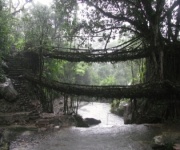
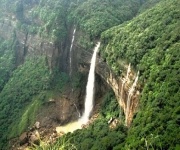
Sohra, also known as Cherrapunji or Cherrapunjee, is best known for dramatic waterfalls, mist-covered hills, limestone caves and living root bridges. Yet the cultural calendar adds another layer to the destination. Khasi traditions, Christian celebrations, village gatherings and tourism-led events all shape the experience of visiting this part of Meghalaya.
Festivals in and around Sohra do not follow one single pattern. Some are rooted in the Khasi religious and agricultural calendar, some are organised for the wider community, and others take place in nearby towns rather than in Sohra itself. Understanding that distinction helps travellers choose the right dates and approach each celebration respectfully.
The programme can change from year to year, especially for public events. Dates may depend on lunar calculations, church calendars, weather conditions and announcements from local organisers. Check current information before fixing transport and accommodation, then leave room for the slower rhythm of a hill destination during the rainy season.
The cultural character of Sohra celebrations
The indigenous Khasi culture of the region places strong value on community, music, dance, family ties and respect for the natural world. Traditional events may include dancers in ceremonial dress, drums, flutes, chanting, food stalls, craft displays and gatherings that bring together several generations.
Many Khasi customs historically related to agricultural seasons, thanksgiving and the protection of community life. Today, some ceremonies retain a religious meaning while others are presented as cultural festivals for residents and visitors. A performance created for a public tourism programme should not be confused with a private ritual or a sacred ceremony.
Sohra’s landscape also influences the atmosphere of its festivals. Rain can arrive quickly, paths may become slippery, and cloud can reduce visibility on roads and viewpoints. A celebration may feel very different from a city event: venues are often open-air, travel is slower, and village participation matters as much as the formal programme.
The Sohra Autumn Festival
The Sohra Autumn Festival is among the most recognisable public events associated directly with the destination. It is generally held during the cooler post-monsoon period, often around October or November, although the exact dates and venue can vary. The event promotes local heritage through music, dance, food, handicrafts, fashion, indigenous games and cultural performances.
For visitors, it can be an accessible way to see several aspects of Meghalaya in one place. Khasi cuisine may include rice-based dishes, smoked meat, seasonal vegetables and local snacks, while craft stalls provide opportunities to meet makers and purchase woven products or small souvenirs. Performances can range from traditional presentations to contemporary music by regional artists.
The festival is usually livelier than an ordinary day in Sohra, so accommodation may fill quickly. Roads can also be busy, particularly when the main programme coincides with sightseeing hours. Travellers who attend should allow time for both the event and the surrounding attractions instead of trying to fit every waterfall and cave into the same day.
Because it is a public programme, the Autumn Festival is a suitable choice for visitors seeking a cultural event without entering a restricted religious ceremony. Still, local instructions about photography, seating areas and performances should be followed. The most reliable dates should come from current announcements by Meghalaya Tourism, local organisers or the accommodation provider.
Shad Suk Mynsiem and the Khasi spring season
Shad Suk Mynsiem is one of the best-known Khasi thanksgiving dances. Its name is commonly translated as “dance of the peaceful hearts,” and the event expresses gratitude for life, community and the seasonal renewal associated with spring. It is strongly connected with Khasi cultural identity and is especially famous in Shillong, where large public performances attract audiences from across Meghalaya.
People staying in Sohra may encounter related Khasi cultural programmes or travel to another venue to watch a major presentation. The festival is therefore relevant to a visit focused on local traditions, even when the largest performance is not held in the town centre. Women traditionally wear the elegant jainsem with jewellery, while men appear in ceremonial clothing and participate in processions or dances.
The dance is not simply entertainment. Its movements, costumes and musical accompaniment carry cultural meaning, and the event is connected with community values rather than staged solely for tourists. Visitors should observe quietly, ask before taking close-up portraits and avoid walking into a performance area.
Spring can be a rewarding time to combine cultural sightseeing with natural attractions. Waterfalls may already be flowing well, while the weather can be more manageable than during the peak monsoon. Those wishing to attend a specific Shad Suk Mynsiem programme should verify the location, as dates and venues differ between towns and organisations.
Nongkrem and festivals beyond the town
The Nongkrem Dance, or Ka Pomblang Nongkrem, is another important Khasi festival. Its principal celebration takes place at Smit, the traditional capital of the Khasi kingdom near Shillong, rather than in Sohra. It is often held in autumn, with dates determined according to the Khasi calendar. The event includes ritual observances, dancing, music and a strong sense of historic identity.
Including Nongkrem in a Sohra itinerary can be possible with careful planning, but it should not be described as a festival held in Sohra itself. The journey, traffic conditions and programme access need to be checked in advance. Travellers should also recognise that a sacred ceremony may have restrictions that do not apply to a commercial cultural show.
Other Meghalaya festivals are sometimes mentioned alongside Sohra travel even though they belong to different communities and districts. Behdienkhlam is associated mainly with the Jaintia community and Jowai, while Wangala is a major Garo harvest festival in the western part of the state. Both are valuable cultural experiences, but neither should be presented as a local Sohra celebration.
This distinction makes a travel plan more honest and practical. Sohra is an excellent base for exploring Khasi landscapes and nearby heritage, while Shillong, Smit, Jowai and Garo areas may be better suited to particular festivals. A multi-day route can include them when transport time and the festival calendar align.
| Celebration | Usual period | Connection with Sohra | What visitors may experience |
|---|---|---|---|
| Sohra Autumn Festival | October or November | Held in or around Sohra | Music, Khasi culture, food, crafts and public performances |
| Shad Suk Mynsiem | Usually spring | Khasi cultural connection; major events often in Shillong | Ceremonial dress, dance, music and thanksgiving traditions |
| Shad Nongkrem | Often autumn | Important to the wider Khasi region; main event at Smit | Ritual observances, dance and historic Khasi customs |
| Christmas | December | Widely celebrated by Sohra’s Christian communities | Church services, decorations, carols and family gatherings |
| Easter and Good Friday | March or April | Observed by local churches and households | Religious services, processions and community observances |
| Behdienkhlam | Usually July | A different Jaintia cultural tradition | Rituals and events centred mainly around Jowai |
| Wangala | Usually late autumn | A Garo celebration outside the Sohra area | Harvest thanksgiving, drums and traditional dance |
Christmas, Easter and community observances
Christian festivals are central to everyday life in Sohra, where churches and Christian families form an important part of the local community. Christmas is marked by church services, carol singing, decorations, family meals and gatherings. In villages, the atmosphere may be intimate and communal rather than focused on a large public spectacle.
Good Friday and Easter are also significant. Services, prayer meetings and local processions may affect opening hours, transport patterns and the availability of guides. Visitors who are present during these dates can appreciate the role of faith in community life by observing respectfully rather than treating a service as a tourist performance.
Church architecture, choirs and seasonal decorations can add cultural interest to a journey, but permission should be requested before taking photographs inside a church or during worship. Modest clothing and quiet behaviour are appropriate. A guide or host can explain whether a particular event is open to visitors.
Public holidays may also influence restaurant schedules and local transport. This is especially relevant in smaller villages, where businesses may close for part of a religious holiday. Keeping flexible meal and sightseeing plans will make the visit easier and reduce pressure on local hosts.
Planning a festival-focused visit
Festival dates are only one part of the planning process. Sohra’s attractions are spread across a wide area, including Nohkalikai Falls, Seven Sisters Falls, Mawsmai Cave, Arwah Cave, Eco Park and living root bridges in nearby villages. Rain, road repairs and traffic can lengthen journeys, so a realistic itinerary should leave space between a festival programme and a distant attraction.
A short stay can cover the main sights, while a longer visit allows time for village walks and cultural events. Travellers arriving from Shillong may find a dedicated excursion useful when a festival is not taking place overnight; the site’s day-trip guidance explains how to approach the route and timing.
For those attending the Autumn Festival or combining Sohra with nearby Khasi celebrations, staying locally is usually more comfortable than returning late to Shillong. A three-night package can provide a practical base for waterfalls, caves and local sightseeing while leaving room for seasonal activities.
Pack for both rain and outdoor walking. A waterproof jacket, quick-drying clothes, sturdy shoes, a small umbrella, insect repellent and a dry bag for electronics are useful throughout the year. During a festival, modest clothing, a reusable water bottle and a small amount of cash are especially convenient.
Helpful habits for respectful festival travel
A thoughtful visitor contributes to the atmosphere rather than distracting from it. These simple practices are useful when attending a Khasi cultural programme, church celebration or public festival:
- Confirm the date, venue and access rules with a local organiser, guide or accommodation provider.
- Ask permission before photographing performers, worshippers, elders, children or private ceremonies.
- Wear modest clothing and follow instructions about seating, footwear, food areas and restricted spaces.
- Carry rain protection, comfortable footwear, drinking water and cash for local food or crafts.
- Buy directly from local makers when possible and avoid littering, loud behaviour or disruption of processions.
Sohra’s festivals reveal a living culture shaped by Khasi heritage, Christianity, landscape and community life. The most rewarding visit combines curiosity with patience: watch the dance, listen to the music, taste local food and allow residents to define the meaning of what you are seeing.
Plan your dates around the current festival calendar, reserve a suitable stay and arrange transport early during popular events. With a respectful approach and enough time for the surrounding hills, a festival visit can become one of the most memorable parts of a Cherrapunjee holiday.