




A Guide to the Umshiang Double Decker Living Root Bridge
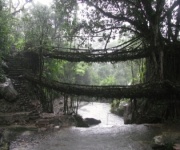
Deep in the green hills of Meghalaya, the Umshiang Double Decker Living Root Bridge crosses a forested gorge near Nongriat village. It is among the most remarkable examples of traditional Khasi engineering, shaped over generations from the living roots of the Indian rubber fig tree.
Reaching it requires a demanding descent and an equally strenuous climb back to the plateau. The journey usually involves thousands of stone steps, humid jungle paths, streams, and steep slopes. The effort is part of the experience: the route reveals rural life, waterfalls, dense vegetation, and a landscape that cannot be reached by road.
The bridge is commonly described as one of the oldest living root bridges in the region. Its precise age is difficult to verify because it has grown gradually through continuous care rather than being built on a single date. The layered structure reflects centuries of knowledge passed through Khasi communities.
What Makes The Bridge Special
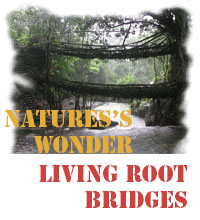
A living root bridge begins with the aerial roots of the Ficus elastica, or Indian rubber fig. Local communities guide young roots across a gap using bamboo, wood, or other temporary supports. As the roots lengthen, they are woven and directed until they meet the opposite bank. Over time, they thicken, interlock, and form a strong natural walkway.
The Umshiang bridge has two distinct levels, which gives it the name Double Decker. The lower crossing sits closer to the stream, while the upper level rises above it. Moss, ferns, and small plants often grow across the structure, making it appear integrated with the forest rather than placed inside it.
Unlike a conventional bridge, this living structure can become stronger as its roots mature. It needs regular attention, including the removal of damaging growth and the careful guidance of new roots. The bridge represents a practical relationship between people and nature, rather than an attempt to control the landscape completely.
There is no universally confirmed date marking its construction. Visitors should therefore treat descriptions such as “oldest” as traditional or popular characterizations rather than a precisely documented historical claim. Its age, workmanship, and continuing use remain genuinely impressive regardless of the exact number of years.
The Trek From Tyrna To Nongriat
Most visitors begin at Tyrna, a village reached by road from Cherrapunjee, also known as Sohra or Cherrapunji. From the parking area, the trail drops through a long staircase. The first section can feel manageable, but the continuous descent places pressure on the knees, especially when the stones are wet.
The route passes through forest, small settlements, and viewpoints over deep valleys. After reaching Nongthymmai, trekkers cross a single-decker living root bridge before continuing toward Nongriat. This earlier bridge is an important landmark and offers a first sense of how the traditional structures fit into the terrain.
The final approach includes more stairs and uneven paths. The Double Decker bridge lies beyond the main village area, near the stream and forest. Many walkers spend several hours on the outward journey, depending on fitness, weather, rest stops, and time spent at waterfalls along the way.
A local guide can make the route easier to understand and safer to navigate. Guides know the changing condition of the steps, stream crossings, village paths, and side trails. They can also explain customs, bridge maintenance, and the names of nearby natural features.
When To Visit And What To Expect
The dry and cooler months from October to April are generally the most comfortable for this trek. The paths tend to be less slippery, streams may be easier to cross, and visibility is often better. Autumn is especially appealing for travelers who want pleasant walking conditions and a greener landscape after the monsoon; this guide to Cherrapunjee in autumn explains why the season attracts so many visitors.
The monsoon from June to September transforms the region into an intensely lush world of rain, mist, and flowing waterfalls. It also makes the trail considerably more difficult. Heavy rain can create slick stones, swollen streams, falling branches, and temporary changes to the route. The bridge itself may look spectacular in wet weather, but safety conditions must take priority.
Morning departures are usually preferable. Starting early allows time for a steady pace, photographs, breaks, and unexpected delays. It also reduces the risk of finishing the climb after dark. Daylight is important because parts of the trail are shaded and can become hard to follow in poor visibility.
Conditions in the Khasi Hills can change quickly. A clear morning does not guarantee a dry afternoon, so weather forecasts should be checked shortly before departure. Local advice is particularly valuable after periods of heavy rainfall.
| Planning factor | Practical guidance |
|---|---|
| Starting point | Tyrna village, reached by road from Sohra |
| Main challenge | Long, steep stairway and uneven forest trail |
| Typical walking time | Allow most of a day for the bridge and return |
| Best general season | October to April for easier trail conditions |
| Monsoon concern | Slippery steps, rain, mist, and stronger streams |
| Suitable footwear | Grippy walking shoes or trekking sandals |
| Guide value | High, especially for first-time visitors |
| Fitness level | Moderate to good; knee strength and stamina help |
Preparing For The Descent And Return
Wear footwear with reliable grip and secure straps. Smooth-soled trainers can become hazardous on wet stone, while loose sandals may offer little protection on steps and roots. Lightweight, quick-drying clothing is more comfortable in the humid forest, and a light rain jacket is useful in every season.
Carry enough drinking water, though it is wise to avoid creating unnecessary plastic waste. Energy-rich snacks can help during the return climb, when fatigue is often more noticeable than on the descent. A small first-aid kit, personal medicines, insect repellent, sunscreen, and a reusable bag for waste are sensible additions.
Pack light because every item must be carried down and back up. A waterproof cover or dry bag protects phones, cameras, wallets, and spare clothing. Walking poles can assist with balance, especially on slippery steps, although they should be used carefully where the path is narrow.
The trek is not ideal for travelers with serious knee, ankle, heart, or breathing problems unless a medical professional has approved the activity. Children may enjoy the forest and bridge, but they need close supervision around steep edges, streams, and wet stones. Leave plenty of time for rest rather than treating the walk as a race.
Respecting Nongriat And The Forest
Nongriat is a living village, not simply an outdoor attraction. Visitors should keep voices moderate, ask permission before photographing residents, and avoid entering homes, private land, or cultivated areas without invitation. A respectful visit supports the relationship between tourism and the community.
The bridge requires ongoing care. Do not carve names into the roots, loosen supporting materials, climb on fragile sections, or remove moss and plants. Avoid jumping, overcrowding one section, or blocking the path for extended photo sessions. The structure is robust, but careless use can still damage its living components.
Keep all packaging until it can be disposed of properly. Do not leave food scraps, plastic bottles, tissues, or cigarette waste beside the trail. Soap and chemical products should not be used in streams, even when the water looks clean. Small actions matter in a landscape where water, forest, and village life are closely connected.
Travelers interested in regional culture can also look beyond natural attractions. Khasi craft traditions remain part of Meghalaya’s identity, and visitors can learn more through this resource on local handloom weaving, including where to see and purchase locally made textiles.
Waterfalls And Places Nearby
The Double Decker bridge is often visited as part of a wider Nongriat excursion. The natural pool beneath Rainbow Falls is a popular objective for travelers who have enough daylight and energy to continue beyond the bridge. The walk can be challenging, and water levels vary significantly by season, so local guidance is essential.
The route may also include the single-decker living root bridge near Nongthymmai and smaller cascades hidden among the forest. These features make the journey feel like a series of discoveries rather than a simple walk to one destination. Still, visitors should avoid squeezing too many side trips into a schedule that leaves no margin for the return.
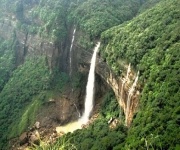
Sohra offers many other attractions for a multi-day stay, including Nohkalikai Falls, Mawsmai Cave, Arwah Cave, Dainthlen Falls, Wei Sawdong Falls, and forest viewpoints. Distances between sites can take longer than expected because of winding hill roads and changing weather. A planned itinerary allows time to experience each location without rushing.
Accommodation in and around Cherrapunjee ranges from hotels and resorts to simpler guesthouses. Staying locally before the trek makes an early start easier and reduces the need to travel from Shillong on the same morning. It also gives travelers more time to explore the plateau after returning from Nongriat.
Planning A Comfortable Meghalaya Trip
A visit to the bridge works best within a broader Sohra itinerary rather than as a rushed day trip. Two nights can cover the main highlights, while longer packages allow time for caves, waterfalls, village experiences, viewpoints, and quieter walks. Travelers arriving from outside India should review current entry, visa, and any applicable permission requirements before finalizing plans.
Transport arrangements should be confirmed in advance, especially during weekends, holidays, and the busier autumn and winter periods. A private vehicle or organized transfer offers greater flexibility than relying on infrequent local transport. Drivers should be familiar with hill roads and should not be pressured to travel too quickly.
Use the following checklist when preparing:
- Reserve accommodation close enough to Tyrna for an early departure.
- Confirm current trail, weather, and stream conditions with a local guide.
- Carry water, snacks, rain protection, a first-aid kit, and a charged phone.
- Wear shoes with strong traction and bring a dry bag for valuables.
- Keep the return journey within daylight and leave time for rest.
India Beacons Sojourn, the operator behind Cherrapunjee.net, can help travelers consider multi-day vacation packages from two to seven nights, along with local stays and sightseeing arrangements. A planned package can connect the Nongriat trek with other Meghalaya attractions while accounting for driving times and seasonal conditions.
The Umshiang Double Decker is best experienced with patience: walk steadily, listen to local knowledge, and allow the forest to set the pace. Contact Cherrapunjee.net to arrange a Sohra holiday that includes the living root bridge, suitable accommodation, transport, and time for the waterfalls and cultural experiences that make Meghalaya memorable.