





Cherrapunjee in autumn: the season of waterfalls and open skies
Autumn brings a welcome change to Cherrapunjee, also known as Sohra or Cherrapunji. After months of intense monsoon rain, the landscape remains lush and dramatic, while roads, viewpoints, forest paths, and village trails generally become easier to explore. October and November are especially appealing for travellers who want Meghalaya’s famous scenery without making every outing dependent on rainfall.
This is the season when waterfalls still have impressive volume, but their surroundings are often more accessible. Clouds continue to drift across the Khasi Hills, although longer breaks in the weather reveal deep valleys, limestone cliffs, green plateaus, and distant ridgelines. The result is a varied travel experience: misty in the morning, bright by midday, and cool again after sunset.
An autumn holiday also gives visitors time to experience Cherrapunjee beyond its best-known viewpoints. Caves, living root bridges, forest walks, local villages, and traditional food become part of a more comfortable multi-day itinerary. With stays and excursions available for two to seven nights, travellers can adjust the pace to match their interests.
Autumn weather and the changing landscape
The main attraction of an autumn visit is the balance between moisture and visibility. The monsoon has already replenished streams and waterfalls, leaving the hills intensely green. At the same time, the persistent downpours of the wettest months usually ease, making it more practical to visit several attractions in one day.
Temperatures in Cherrapunjee are generally pleasant during the daytime in this season, while mornings and evenings can feel cool. Conditions change quickly at high viewpoints, so a sunny departure does not guarantee clear skies all day. Short showers and passing fog are still common, but they often add atmosphere rather than disrupting an entire excursion.
The softened sunlight is ideal for photography. Water droplets remain on leaves, cliffs appear darker and richer, and shafts of light can break through the clouds over the valleys. Travellers who allow time for changing conditions are more likely to see the landscape in several different moods.
Waterfalls, caves, and open-air adventures
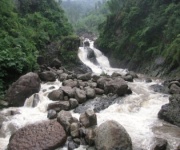
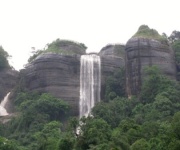
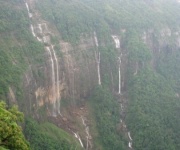
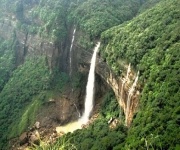
Autumn is an excellent time to explore the waterfalls around Sohra. Nohkalikai Falls is especially striking when viewed against the surrounding green plateau, while Seven Sisters Falls and other seasonal cascades benefit from the water collected during the monsoon. Some falls may vary considerably in strength, but the broader scenery remains compelling even when the flow begins to reduce.
The area’s limestone caves offer a different kind of adventure. Mawsmai Cave is relatively accessible and provides an introduction to the region’s underground formations, with narrow passages, textured rock, and natural chambers. More demanding cave excursions require appropriate guidance, physical confidence, and extra time, particularly if surfaces remain damp.
Autumn conditions also suit scenic drives between viewpoints and village stops. Rather than rushing from one attraction to the next, a well-planned route can include pauses for local meals, short walks, and overlooks across the Khasi Hills. Road conditions should still be checked locally, since recent rain can affect sections of mountain travel.
Living root bridges and village culture
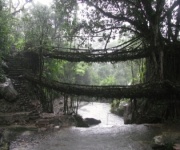
The living root bridges of Meghalaya are among the most memorable reasons to spend more than a single day in the region. Created by guiding the roots of rubber fig trees across streams and ravines, these structures represent generations of local knowledge. They are living systems that strengthen over time, rather than monuments built and then left unchanged.
The journey to a root bridge can involve steep steps, uneven ground, and humid forest paths. Autumn is often more comfortable for this type of walk than the height of the rainy season, though sturdy footwear remains essential. Treks vary in difficulty, so travellers should choose an excursion that matches their fitness and available time.
Village visits add cultural depth to the natural scenery. Mawlynnong is known for its clean surroundings, carefully maintained paths, and community participation; a Mawlynnong village guide can help place the destination within a wider Meghalaya itinerary. Respectful behaviour matters in residential areas: ask before photographing people, follow local instructions, and avoid treating community spaces as staged attractions.
How many nights should you plan?
A short visit can cover major viewpoints and one or two accessible attractions, but additional nights create room for weather changes and slower exploration. Autumn is attractive partly because it supports this flexible style of travel. If fog hides a waterfall or rain interrupts a trek, another morning may provide a completely different view.
| Trip length | Suitable focus | Why it works in autumn |
|---|---|---|
| Two nights | Main waterfalls, viewpoints, and a cave | Covers the essential sights with limited driving |
| Three to four nights | Waterfalls, caves, village visits, and short walks | Allows a more relaxed pace and some weather flexibility |
| Five nights | Root bridges, forest trails, local communities, and scenic routes | Provides time for active excursions and cultural experiences |
| Six to seven nights | Cherrapunjee combined with wider Meghalaya highlights | Best for travellers wanting variety without compressing every day |
When planning a package, consider the time required for transfers as well as sightseeing. Mountain roads can make apparently short distances take longer than expected. A two-night stay may suit a focused first visit, while a five- to seven-night holiday is better for travellers who want to include living root bridges, Mawlynnong, nearby natural attractions, and rest days.
Accommodation also affects the experience. Resorts and hotels in and around Cherrapunjee range from practical stays to properties chosen for views and atmosphere. Booking ahead is sensible during popular travel periods, especially if you want a particular location or room type.
Getting around and preparing for the hills
Most visitors reach Cherrapunjee from Shillong by road. The journey is scenic, passing through changing hill landscapes, but it can be winding and tiring for anyone unaccustomed to mountain travel. Private transfers or an organised tour can simplify the route, especially when the itinerary includes several dispersed attractions.
Local sightseeing is best arranged with realistic driving times. A route that looks compact on a map may include steep roads, traffic near popular sites, and stops that take longer than expected. Drivers and local guides can also provide useful advice about trail conditions, opening arrangements, and suitable alternatives when weather changes.
Travellers should carry identification and review any relevant travel permissions before arriving in Meghalaya. International visitors should also confirm Indian visa requirements well in advance. Practical preparation leaves more time to enjoy the landscape instead of resolving avoidable travel details after arrival.
What to bring for an autumn holiday
Autumn does not mean completely dry weather. A compact rain jacket or poncho is useful for sudden showers, while quick-drying clothes are more comfortable after a damp walk. Layering works well because temperatures can shift between exposed viewpoints, shaded forest, and cool evenings.
Footwear deserves particular attention. Choose shoes with firm grip for wet stone, mud, and uneven steps, especially if you plan to visit root bridges or caves. Sandals may be convenient for short stops but are not a reliable substitute for walking shoes on longer trails.
Pack a small day bag with drinking water, snacks, personal medication, sun protection, insect repellent, and a waterproof cover for electronics. A torch may be helpful around caves and during power interruptions, although visitors should follow local safety instructions and never enter restricted areas independently.
A slower itinerary reveals more
The strongest autumn itineraries combine major attractions with unstructured time. Start one day with a waterfall viewpoint while the air is cool, spend the afternoon visiting a cave or village, and reserve another morning for a longer forest walk. This approach reduces fatigue and allows the weather to shape the day naturally.
Food and conversation can be part of the journey as well. Local Khasi flavours, seasonal produce, and simple meals at roadside or family-run establishments offer a sense of place that cannot be found at viewpoints alone. Ask guides or hosts about regional dishes and customary etiquette before ordering or photographing food preparation.
Travellers interested in history and geography can also use the season to understand why Sohra looks the way it does. Heavy rainfall, limestone geology, forest ecology, and Khasi community traditions are closely connected. A knowledgeable local guide can turn a scenic drive into a richer explanation of the land and its people.
Choices that improve the experience
- Schedule outdoor walks early in the day, when trails are often cooler and visibility may be better.
- Keep one flexible half-day in the itinerary for weather changes or an unexpected village stop.
- Choose accommodation based on both location and access to transport, not just photographs.
- Carry reusable water bottles and avoid leaving packaging along trails or near waterfalls.
- Use local guides for longer root-bridge walks, cave visits, and routes with uncertain conditions.
A thoughtful autumn trip to Cherrapunjee combines dramatic scenery with manageable adventure. The waterfalls retain their seasonal power, the hills stay richly green, and clearer intervals make it easier to appreciate the depth of the valleys. Add comfortable accommodation, sensible transport, and enough time for village and forest experiences, and the journey becomes far more rewarding than a rushed sightseeing stop.
Explore the available Cherrapunjee vacation packages on Cherrapunjee.net and choose a two- to seven-night itinerary suited to your pace. For personalised booking assistance, contact India Beacons Sojourn and begin planning an autumn journey through Sohra’s waterfalls, caves, living root bridges, and Khasi hill communities.