





A Step-by-Step Guide to the Nohkalikai Falls Trek
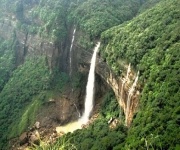
Nohkalikai Falls is one of the most memorable sights around Sohra, the town widely known as Cherrapunji. Water drops from a forested cliff into a striking blue-green pool, with mist, cloud and monsoon vegetation changing the scene from one visit to the next. The main viewpoint is easy to reach, while the descent towards the base is a much more demanding outing.
For Australian travellers, the important distinction is between seeing Nohkalikai Falls from the viewing area and attempting a genuine walk below the escarpment. The first is suitable for most visitors with ordinary walking shoes. The second involves steep, uneven ground, wet rock and local conditions that can change quickly. Treat it as a guided hike rather than a casual extension of a sightseeing stop.
Sohra lies in Meghalaya, in India’s north-east, a region famous for heavy rainfall, limestone caves, waterfalls and living root bridges. Distances can look modest on a map, but winding hill roads make journeys slow. A driver, local guide and flexible schedule are usually more valuable than trying to fit every attraction into a tightly timed itinerary.
The best experience comes from allowing time for weather changes, viewpoints and unplanned delays. Before fixing your dates, read a monthly weather guide and consider how rain will affect visibility, road travel and the trail itself. The falls are spectacular in wet weather, yet the same rain can make a descent unsafe.
Before You Leave For Sohra
Start by deciding what you mean by “trek”. The roadside viewpoint at Nohkalikai Falls has a designated viewing area and requires only a short walk from the parking zone. A descent towards the base is a separate activity. It may be steep, muddy and difficult to identify in poor visibility, and access can depend on local advice, maintenance or temporary closure.
Arrange a local driver for the wider Sohra circuit and a guide for any descent beyond the formal viewpoint. Guides can explain which paths are currently usable, whether water levels are dangerous and where visitors should turn back. Do not rely on an old social media route, a map pin or a dry-season description when travelling during the monsoon.
Australian passport holders should check current Indian visa requirements through official Indian government channels before booking flights. Carry a passport with at least six months of validity, suitable travel insurance and copies of important documents. Medicare does not generally cover medical treatment overseas, so a policy should include trekking, evacuation and activities affected by weather or altitude.
Reaching The Trailhead
Most travellers approach Sohra from Shillong, Meghalaya’s capital. The drive is commonly around two to three hours, depending on traffic, roadworks, weather and stops. From Guwahati, the journey is considerably longer, so many visitors overnight in Shillong before continuing. A private vehicle gives you better control over departure times and makes it easier to include nearby waterfalls and viewpoints.
The Nohkalikai Falls site is close to Sohra and is normally visited by road. Your driver will stop at the recognised parking and viewing area, where you can pay any applicable local or entry charge and follow signs to the overlook. Confirm current opening arrangements locally, especially after intense rain, landslides or road damage.
The route from the viewpoint to the lower area should only be attempted after checking with the guide. There is no reason to leave the safe viewing zone simply to claim that you have completed a trek. If the path is closed or the weather is deteriorating, enjoy the panorama, take photographs from approved areas and continue to another attraction.
Following The Descent Step By Step
Begin at the established viewpoint and spend a few minutes assessing the conditions. Look for cloud movement, strong wind, fresh rain and signs of water running across the path. Secure your phone, camera and daypack before leaving the viewing area. A walking pole can help on slippery sections, but it should not replace careful foot placement.
Follow the locally approved route rather than creating shortcuts. The first part may pass through grass, scrub or forest before becoming steeper. Keep your weight low, use stable roots or rock surfaces for balance and leave enough space between walkers. Wet vegetation can conceal holes, loose stones and sharp edges.
As the slope becomes steeper, progress slowly and let the guide choose the safest line. Do not climb onto cliff edges for photographs, and never cross a fast-flowing channel without clear local direction. The waterfall’s pool may look calm from above, but currents, submerged rocks and falling debris make swimming or approaching the water hazardous.
A responsible descent has a clear turnaround point. If visibility falls, rain becomes persistent, anyone in the group feels unwell or the return route appears unsafe, turn back immediately. The walk back is often harder than the descent because tired legs and slippery ground increase the chance of a fall. Allow generous time to return before darkness.
Weather, Timing And Trail Conditions
Sohra’s climate can change within minutes. The wet season produces powerful falls and lush scenery, but heavy rain can obscure the view and transform paths into streams. The drier months often offer more comfortable walking, although a waterfall’s volume and the surrounding colours may differ. There is no single perfect month for every traveller.
Leave early in the day when possible. Morning light can improve visibility, roads are generally less busy and you have more time to respond to delays. Avoid beginning a descent late in the afternoon, even if the viewpoint is still bright. Cloud cover can make forested slopes dark well before sunset.
| Stage | Typical experience | Practical decision |
|---|---|---|
| Road approach | Winding roads, slow traffic and possible rain | Build in extra travel time |
| Main viewpoint | Short, straightforward walk on a developed area | Suitable for most visitors with care |
| Upper descent | Uneven ground, vegetation and changing surfaces | Use a local guide |
| Steeper sections | Mud, loose rock and slippery steps or slopes | Move slowly and avoid shortcuts |
| Lower route | Greater exposure to water and limited facilities | Continue only if conditions are confirmed safe |
| Return journey | Fatigue and worsening weather may increase risk | Turn back early and keep daylight |
Check the forecast shortly before setting out, but treat it as one source of information rather than a guarantee. Ask your accommodation, driver or guide about rainfall overnight and current access. During an Australian winter escape, visitors may underestimate how quickly tropical rain affects a hill trail; familiar bushwalking confidence from the Blue Mountains or Dandenong Ranges does not remove local hazards.
What To Pack And How To Stay Safe
Wear shoes with firm grip and ankle support. Open sandals, smooth trainers and fashion footwear are poor choices on wet slopes. Pack a lightweight rain jacket, spare socks, water, a small first-aid kit, insect repellent, sun protection and a dry bag for electronics. A compact headlamp is useful if a delay pushes the return towards dusk.
Food and drink options near attractions may be limited, and facilities along a remote descent should not be assumed. Carry enough water and a simple snack, while avoiding single-use plastic where possible. Local shops and markets may accept cash more reliably than cards. Indian rupees in smaller denominations are helpful for transport, refreshments and modest entry payments.
Australian travellers often use tap-and-go cards for everything from coffee in Brisbane to transport in Melbourne, but rural Meghalaya works differently. UPI payments are widespread in India, yet visitors may not be able to use them without an Indian bank account or local mobile setup. Tell your bank about the trip, keep a backup payment method and protect cash from rain.
Respect local communities, land and religious customs. Ask before photographing residents, guides or private property, and take rubbish back with you. Do not remove plants, stones or cultural items. If a local authority, landowner or guide closes a route, comply rather than attempting to find an alternative track.
Building A Better Sohra Walking Day
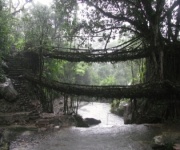
A Nohkalikai visit works well as part of a wider day around Sohra rather than as an isolated race to the falls. Depending on conditions, you might combine the viewpoint with nearby caves, other waterfalls or a living root bridge. Each stop has its own walking demands, so avoid booking several strenuous descents on the same day.
Accommodation ranges from hotels and resorts in and around Sohra to simpler guesthouses. Staying locally gives you more time for early starts and allows staff to provide a current weather assessment. A package that includes transport, accommodation and sightseeing can be convenient for first-time visitors, particularly when road times and attraction access are unfamiliar.
When comparing arrangements, check what the quoted price includes. Some packages cover a vehicle and driver but exclude guide charges, entrance fees, meals or local transport. Confirm cancellation terms for extreme weather and ask whether the itinerary can change if a trail closes. India’s consumer and payment practices may differ from the booking habits Australians know under the Australian Consumer Law, so written inclusions are especially useful.
Keep your itinerary adaptable around public holidays, school breaks and local events. Australians travelling during New South Wales or Queensland school holidays may find flights and accommodation more expensive, while Indian holiday periods can increase traffic at popular viewpoints. A spare day protects the trip from rain, road delays or a missed connection.
Practical Choices For A Safer Walk
- Choose the main viewpoint if you want impressive scenery without a technical hike.
- Hire a local guide before attempting any route below the viewing area.
- Start early and keep a daylight buffer for the return.
- Wear grippy footwear, carry rain protection and protect electronics from water.
- Carry Indian rupees as well as a suitable card for small local payments.
- Check visa, insurance and current access information before departure.
- Leave the route immediately if rain, fog, injury or rising water changes the risk.
Booking The Experience
A well-planned visit balances ambition with respect for the landscape. You may reach the lower route and decide that the viewpoint is the better choice on that particular day. That is a sound trekking decision, not a failure. Conditions, fitness, footwear and local knowledge matter more than completing a predetermined distance.
For transport, accommodation and a flexible Meghalaya itinerary, use the Cherrapunjee travel base to review local attractions, stays and holiday packages. A booking enquiry can help match the Nohkalikai outing with travel time from Shillong, seasonal conditions and other walks in the Sohra area.
Contact India Beacons Sojourn before travelling to confirm current route access, guide availability, accommodation and vehicle arrangements. With the right preparation, the falls can be enjoyed safely from the famous overlook or as part of a carefully assessed guided walk, leaving you more time to appreciate Meghalaya’s rain-fed forests and extraordinary scenery.