




Cherrapunjee’s hidden caves beyond Mawsmai and Arwah
Cherrapunjee, also known as Sohra or Cherrapunji, is famous for rain-soaked valleys, dramatic waterfalls and living root bridges. Beneath the green plateau, however, lies another landscape shaped by water: a vast network of limestone caves, narrow passages, underground streams and chambers that remain far less visited than the region’s best-known attractions.
Mawsmai Cave and Arwah Cave are natural starting points for exploring Meghalaya’s subterranean world, yet they represent only a small part of the area’s karst heritage. Beyond their established routes are caves with different personalities—some rich in fossils, some associated with local legends, and others suited only to experienced cavers with specialist equipment.
A journey into these lesser-known caves is best approached as an exploration of geology, ecology and local culture rather than a checklist of photo stops. Conditions change quickly in Sohra, and the right guide, footwear and weather window are essential.
Why Sohra has so many caves
The limestone hills around Cherrapunjee were formed from marine sediments deposited millions of years ago. Over time, rainwater absorbed carbon dioxide from the soil and became mildly acidic. As it moved through cracks in the rock, it slowly dissolved the limestone and enlarged underground channels. Meghalaya’s exceptionally heavy rainfall has accelerated this process, creating a remarkable concentration of caves.
Water remains the defining force inside these formations. Some passages are dry for much of the year but become active during the monsoon. Others contain underground streams, slippery boulders and pools that can rise rapidly after rain. Stalactites, stalagmites, flowstone and fossil impressions may appear in the same cave, although fragile formations can be damaged by careless touching.
The caves are also part of a living landscape. Bats, insects, frogs and specialised microorganisms occupy the darkness, while forest roots and surface streams connect the underground environment to nearby villages and valleys. Protecting a cave therefore means protecting both its interior and the catchment around it.
Krem Mawmluh and the science beneath the plateau
Krem Mawmluh, near Mawsmai, is among the most significant cave systems in the Cherrapunjee region. It is associated with the Mawmluh Cave Reserve and is known for its geological importance, including fossil-bearing limestone and evidence of ancient environmental change. The cave’s passages reveal how water has repeatedly altered the rock over long periods.
The entrance and accessible portions can appear deceptively manageable. Inside, the character changes quickly, with uneven floors, low ceilings, mud, darkness and sections that require careful movement. A visit should be arranged with local cave guides who understand the route, seasonal water levels and safe turnaround points.
Krem Mawmluh is valuable for more than adventure tourism. It helps researchers study Meghalaya’s geology, past climate and underground biodiversity. Visitors can support that work by avoiding chalk marks, litter, loud disturbance and any attempt to remove rock, fossils or formations.
Krem Lymput and the quieter cave experience
Krem Lymput is a lesser-known option for travellers who want a more secluded cave outing. It is associated with the wider Sohra cave landscape and offers the kind of raw, less-commercial atmosphere that many visitors expect from hidden caves. The approach may involve forest paths, uneven ground and navigation through terrain that is not signposted like a conventional attraction.
The experience depends heavily on local conditions. A dry-season visit may reveal deeper passages, while rain can make the entrance, streambeds and surrounding slopes hazardous. Some sections may be unsuitable even when the weather looks clear at the resort, because rain upstream can affect an underground route later.
For this reason, Krem Lymput is best combined with a local village guide and a flexible itinerary. Allow extra time for the approach, changing clothes and cleaning equipment afterward. It is less appropriate for travellers seeking a quick sightseeing stop and better suited to those comfortable with slow, careful exploration.
Krem Syndai and caves beyond the usual circuit
Krem Syndai, in the Jaintia Hills region, demonstrates how rewarding it can be to travel beyond the main Cherrapunjee sightseeing circuit. The cave is connected with the Syndai area and its historic, cultural and natural surroundings. Reaching it generally requires additional driving, so it works well as part of a longer Meghalaya itinerary rather than an improvised half-day excursion from Sohra.
The cave’s appeal lies in the combination of landscape and local heritage. The surrounding hills, forest and settlement patterns provide context that a standalone underground visit cannot offer. Depending on local access and seasonal conditions, travellers may encounter narrow passages, slippery surfaces and sections where a guide’s knowledge is more useful than a map.
A trip to Krem Syndai can be paired with nearby Jaintia attractions, but the schedule should remain realistic. Road journeys in Meghalaya often take longer than distance calculations suggest, particularly during rain. A two- or three-night package focused only on Sohra may not allow enough time, while a broader Meghalaya tour can include the cave without rushing.
| Cave or area | Main appeal | Typical difficulty | Best suited to |
|---|---|---|---|
| Krem Mawmluh | Geology, fossils and developed cave interest | Moderate, with slippery and uneven sections | Travellers with a guide and basic fitness |
| Krem Lymput | Quieter passages and a less commercial setting | Moderate to challenging, depending on water | Adventurous visitors seeking solitude |
| Krem Syndai | Cave exploration combined with Jaintia heritage | Variable and route-dependent | Travellers planning a wider regional itinerary |
| Krem Phyllut | Extended cave-system character and underground features | Challenging in places | Experienced groups with specialist guidance |
| Krem Umshyrpi | Local exploration and natural cave environment | Variable, with limited visitor infrastructure | Small groups prepared for changing conditions |
| Mawsmai Cave | Accessible limestone formations and a popular route | Easy to moderate on the visitor section | First-time cave visitors and families |
| Arwah Cave | Fossils, chambers and a more natural walking route | Moderate, with a forest approach | Visitors wanting a guided introductory adventure |
Krem Phyllut and the limits of casual adventure
Krem Phyllut is often discussed among Meghalaya’s more ambitious cave destinations. Its appeal comes from the sense of entering a larger underground system rather than simply walking through a short illuminated passage. Depending on the route selected, exploration can involve crawling, wading, climbing over wet rock and spending long periods without natural light.
That level of adventure requires a different standard of preparation. A phone torch and ordinary trainers are not enough. Cavers may need helmets, reliable headlamps with spare batteries, gloves, suitable clothing, dry bags and technical advice. Water levels, recent rainfall and the experience of the group should determine whether a route is attempted at all.
Visitors should also understand that “hidden” does not mean unrestricted. Some caves are used for research, conservation or community-managed tourism, and access arrangements may change. A reputable local operator can identify which caves are open, secure permission where needed and prevent a group from entering a dangerous passage simply because it appears available.
Krem Umshyrpi and the importance of local guidance
Krem Umshyrpi is another name associated with the wider network of natural caves around Meghalaya. Like many lesser-known sites, its exact visitor experience can vary according to access, weather, local knowledge and the condition of the route. This uncertainty is part of the reason independent online descriptions should not be treated as a current safety briefing.
A local guide contributes far more than navigation. Guides can interpret cave names and oral histories, explain customary practices, identify unstable sections and recognise signs of rising water. They also help ensure that visitors stay on appropriate routes and do not damage formations while trying to reach an attractive chamber.
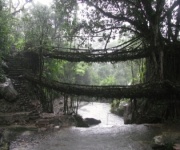
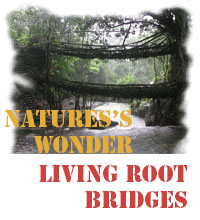
The cultural landscape above ground deserves equal attention. Sohra’s villages, sacred groves, old pathways and living root bridges show how Khasi communities have adapted to a wet and rugged environment. The techniques used to nurture root bridges over generations offer a striking contrast with the slow geological processes that shape caves; both are examples of patient relationships between people and nature. For background before visiting, read this double-decker bridge story to understand why these bridges are much more than scenic footpaths.
Planning a responsible cave trip
The most suitable season depends on the type of experience desired. Drier months generally offer more predictable access to caves, though rain can occur at any time in Meghalaya. The monsoon creates spectacular waterfalls and intensely green scenery, but underground routes may become unsafe or inaccessible. Always check local conditions on the day of travel rather than relying only on seasonal averages.
Cave visits should begin with a practical briefing. Ask how long the route takes, whether water crossings are involved, what equipment is supplied and what happens if the group needs to turn back. Travellers should inform the guide about medical conditions, previous injuries and their comfort with confined spaces.
Essential items commonly include:
- Sturdy shoes or boots with strong grip and clothing that can get wet and muddy
- A headlamp with spare batteries, even when the guide provides lighting
- A lightweight waterproof bag for phones, documents and essential medication
- Drinking water, basic snacks and a small first-aid kit
- A change of clothes and a plan for returning safely before darkness
Photography should never take priority over footing or conservation. Flash photography can disturb wildlife, and tripods or large bags can damage delicate formations in tight passages. Do not touch cave walls, collect fossils, leave inscriptions or bring food into sensitive areas unless a guide specifically permits it.
Building caves into a Cherrapunjee itinerary
A cave-focused holiday can be tailored to different travel styles. First-time visitors may combine Mawsmai or Arwah with a waterfall, viewpoint and living root bridge. Travellers staying longer can add Mawmluh, a quieter local cave and a day devoted to villages or forest landscapes. Experienced cavers should allow additional days for weather delays, equipment checks and route changes.
Caves are also a useful reason to slow down. A rushed itinerary from Shillong to Sohra and back leaves little room for changing road conditions or a careful underground visit. Staying at a local resort or hotel in and around Cherrapunjee makes early starts easier and allows wet equipment to dry before the next excursion.
A seven-night Meghalaya programme can incorporate Sohra’s caves alongside Shillong, Mawlynnong, Dawki or the Jaintia Hills. Shorter two- or three-night packages are better kept to accessible attractions and one guided cave experience. The best plan is the one that leaves room for safety decisions rather than treating every stop as fixed.
Cherrapunjee’s lesser-known caves reward curiosity, but they also demand humility. Their darkness, water and fragile geology cannot be fully controlled for tourism. Choose a responsible local guide, respect community access rules and travel with equipment suited to the route.
Browse the Cherrapunjee.net tour and holiday packages, then contact India Beacons Sojourn to plan a cave experience around the season, group fitness and places you want to see. With thoughtful timing, Sohra can reveal an underground Meghalaya far beyond its famous cave entrances.