




Mawlyngot Village and the Living Root Bridges of Meghalaya
Far from the busiest viewpoints of Sohra, Mawlyngot offers a quieter way to experience Meghalaya. The hill village is known for its tea gardens, forested slopes, welcoming Khasi communities, and refreshing mountain air. Its appeal lies less in a single landmark than in the way village life, conservation, farming, and walking trails come together.
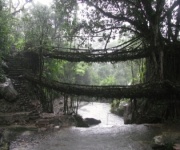
Mawlyngot is also a useful place to understand the living root bridge tradition of the Khasi and Jaintia hills. These remarkable crossings are made by guiding the roots of rubber fig trees across streams and ravines over many years. The roots continue growing after they become walkways, creating structures that are living, self-renewing, and closely connected with local knowledge.
A visit can be planned as a peaceful extension to a Cherrapunjee holiday or as part of a wider Meghalaya itinerary. With the right timing, visitors can combine village walks and tea experiences in Mawlyngot with waterfalls, caves, and famous root bridges around Sohra.
Where Mawlyngot Is Located
Mawlyngot is situated in Meghalaya’s East Khasi Hills, within reach of Shillong and the surrounding hill villages. The approach follows winding roads through forest, cultivated slopes, and highland settlements rather than the more heavily visited tourist circuit around central Cherrapunjee. Travel times vary with road conditions, weather, and the chosen starting point.
The village sits in a cool, elevated landscape where clouds can gather quickly. During the monsoon, the hills become intensely green, while winter often brings clearer views and more comfortable walking conditions. The scenery changes constantly along the drive, with bamboo groves, small farms, steep valleys, and houses scattered across the ridgelines.
Mawlyngot is best visited with a local driver or guide who knows the village roads and trail access. Public transport may be limited, especially for travelers hoping to explore beyond the main road. A flexible itinerary makes it easier to pause at viewpoints, meet local hosts, and adjust plans when rain affects a forest path.
A Village Shaped by Tea and Community
Mawlyngot has gained recognition for its locally grown tea, produced on small plots in a highland environment. The tea gardens are modest compared with large commercial estates, but that is part of their charm. Visitors may see tea plants integrated into the landscape rather than arranged as an expansive plantation built solely for tourism.
The village’s story is also connected with community-led development. Residents have worked to improve education, sanitation, farming practices, and livelihood opportunities while retaining a strong connection to local customs. Tourism, when arranged respectfully, can support this approach by creating income for guides, homestays, drivers, and small producers.
A village visit should be unhurried. Ask permission before photographing homes, people, farms, or religious spaces, and follow the instructions of local hosts. It is useful to carry small cash for tea, snacks, guide services, or locally made products, since card payments and reliable mobile connectivity cannot always be expected.
Understanding Meghalaya’s Living Roots
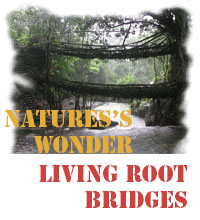
Living root bridges are among the most distinctive examples of traditional ecological engineering in northeast India. Khasi communities have learned to train the aerial roots of the Indian rubber fig, commonly identified as Ficus elastica, across rivers and steep gaps. Bamboo or temporary supports may guide the early growth, while time, care, and repeated maintenance allow the roots to thicken and knit together.
Unlike a conventional bridge, a living root bridge is a continuing process. A structure can take many years or even decades to become strong enough for regular use, and older bridges may keep developing for generations. Local families and communities maintain them by clearing vegetation, reinforcing weak sections, and managing the surrounding forest.
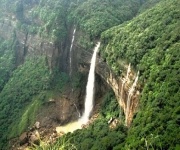
Mawlyngot helps travelers appreciate the cultural setting behind this craft, even though the best-known bridges are located in other Khasi villages. Nongriat, near Sohra, is famous for its double-decker bridge, while several lesser-known crossings can be found in remote valleys. These sites involve steep steps and long walks, so visitors should treat them as serious hikes rather than quick roadside attractions. Those planning a demanding waterfall excursion can also review this guide on reaching Nohkalikai’s base before choosing a route.
Planning a Visit from Cherrapunjee
Mawlyngot can fit into a multi-day Meghalaya vacation in several ways. Travelers staying in Cherrapunjee may arrange a day trip if they are comfortable with a longer drive, while a slower itinerary can include an overnight village stay or a stop between Shillong and Sohra. The ideal arrangement depends on whether the priority is tea, local culture, forest walking, or nearby attractions.
A two- or three-night Cherrapunjee break is usually better suited to the major waterfalls, caves, viewpoints, and a selected village experience. Travelers with five to seven nights have more time to include Mawlyngot, Shillong, Dawki, Mawlynnong, or a root bridge trek without spending every day in a vehicle. Roads can be slow, so distances on a map should not be treated as exact travel times.
| Experience | Best suited for | Time to allow | Practical note |
|---|---|---|---|
| Mawlyngot village walk | Culture, tea, quiet landscapes | Half to one day | Arrange local guidance and confirm access |
| Tea garden visit | Travelers interested in farming and local produce | One to two hours | Harvest activity varies by season |
| Root bridge trek near Sohra | Hikers and nature lovers | Half to full day | Expect steep steps, humidity, and wet surfaces |
| Waterfall and cave circuit | First-time Cherrapunjee visitors | One full day | Begin early to fit several stops |
| Village overnight stay | Slow travel and community interaction | One night | Carry essentials and respect house rules |
Early starts are especially valuable during the rainy season. Clouds can reduce visibility later in the day, and heavy showers may make narrow trails slippery. Comfortable walking shoes with firm grip, a light rain jacket, a refillable bottle, insect protection, and a dry bag are practical choices.
Walking Through the Village Landscape
A walk around Mawlyngot is an opportunity to notice details that are easy to miss from a vehicle. Tea bushes follow the contours of the land, footpaths connect homes and fields, and forest edges provide habitat for birds and small wildlife. Depending on the route, the walk may include uneven ground, stone steps, muddy sections, and short climbs.
Visitors should remain on established paths and avoid entering cultivated plots without permission. Local guides can explain how tea is grown, identify useful plants, and describe the relationship between the village and nearby forests. Their knowledge also helps travelers distinguish a genuine community trail from a route that may be unsafe after rain.
The Khasi landscape is shaped by water. Streams, springs, and seasonal cascades appear throughout the hills, while heavy rainfall feeds the dramatic waterfalls associated with Sohra. The same wet climate that makes the region challenging for roads and construction has encouraged practical traditions such as root bridges, which adapt to the terrain instead of trying to erase it.
When to Go and What to Expect
The monsoon, generally from June through September, brings the richest greenery and fullest streams. It is an atmospheric season for photographers and travelers who enjoy misty forests, but rain can disrupt drives and make village trails difficult. Waterproof luggage protection and spare clothing are particularly important during this period.
October to November often offers a balance between green scenery and more manageable weather. December through February is cooler and may provide clearer skies, though mornings can be crisp and some trails may feel dry and exposed. Spring brings fresh vegetation and pleasant conditions, while local events and harvest activity can vary from year to year.
Mawlyngot is not a destination for rushed sightseeing. Accommodation may be simpler than a full-service resort, and mobile signals can be inconsistent. That slower pace is part of the experience: the reward comes from walking, listening, and observing rather than collecting a long list of attractions.
Travel Respectfully in the Khasi Hills
Responsible travel matters in a village where natural resources and community relationships remain central to daily life. Carry reusable water bottles, take all waste back with you, and avoid disposable plastic wherever possible. Never carve names into trees or bridges, remove plants, disturb animals, or leave food near forest trails.
Dress comfortably but respectfully, particularly when visiting homes, churches, community spaces, or places connected with local traditions. A friendly greeting and a request before taking photographs can prevent misunderstandings. If a guide explains that a path, spring, or bridge is locally managed, follow the same care expected from residents.
A thoughtful visitor also spends locally. Booking a community homestay, hiring a village guide, purchasing tea directly from producers, and eating at small local establishments can make a greater difference than buying mass-produced souvenirs. Ask how products are made and choose items that are practical to carry without contributing to environmental pressure.
What to Include in Your Meghalaya Itinerary
- Reserve time for a guided Mawlyngot village and tea walk rather than treating the settlement as a brief photo stop.
- Combine the visit with Cherrapunjee waterfalls, caves, viewpoints, or a carefully selected root bridge trek.
- Pack sturdy footwear, rain protection, a small first-aid kit, drinking water, and cash in modest denominations.
- Confirm road conditions, guide availability, and accommodation before leaving Shillong or Sohra.
- Follow local instructions around farms, forests, streams, bridges, and residential areas.
Mawlyngot reveals a quieter side of Meghalaya, where tea gardens and village paths lead into a wider story about adaptation to rain, respect for forests, and cooperation across generations. The living root bridges make that story visible: they are useful structures, cultural inheritances, and growing parts of the landscape at the same time.
For travelers planning a Cherrapunjee vacation, adding Mawlyngot can create a more balanced journey beyond famous waterfalls and viewpoints. Explore available Meghalaya tour packages, choose the number of nights that suits your pace, and contact Cherrapunjee.net to arrange a route that brings together village life, living roots, and the natural highlights of Sohra.