




Khasi Dance And Cultural Performances In Cherrapunjee
Traditional dance in Meghalaya is closely connected with community life, seasonal celebrations, faith, courtship, gratitude, and respect for nature. In the Khasi Hills, movement is often accompanied by drums, pipes, cymbals, and group singing, creating performances that feel ceremonial rather than staged for entertainment alone.
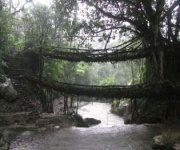
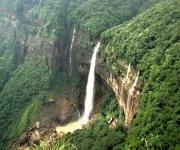
Cherrapunjee, also known as Sohra or Cherrapunji, is an excellent base for discovering Khasi culture. The town and surrounding villages are best known for waterfalls, caves, misty viewpoints, and living root bridges, yet cultural experiences can add a meaningful dimension to a trip. A dance performance may take place during a festival, at a community gathering, or as part of a carefully arranged cultural programme.
Visitors should keep their expectations flexible. Traditional Khasi dances do not run on a fixed daily timetable like a museum show. Dates depend on the local festival calendar, village events, church and community activities, and arrangements made by cultural groups. The most rewarding experiences usually come from planning ahead and treating the performance as a living tradition.
The Meaning Behind Khasi Dance
Khasi dance is generally performed in groups, with men and women following distinct formations, gestures, and rhythms. The movements may look simple at first, but their meaning is shaped by the occasion. Dancers can express devotion, thanksgiving, social harmony, pride in the community, or a connection with the natural world.
Traditional attire is an important part of the presentation. Women may wear the richly layered Jainsem, along with gold ornaments, necklaces, and decorative headpieces. Men commonly wear traditional garments with turbans or other ceremonial accessories. The colours, jewellery, and arrangement of clothing can vary according to the event and the performers’ community.
The music deserves as much attention as the dancing. Khasi drums establish the pulse, while pipes and cymbals add a bright, energetic quality. Performers may move in a measured circle or coordinated line, keeping their posture dignified and their steps in harmony with the musicians. Applause is welcome at an appropriate moment, but visitors should avoid treating a sacred or ceremonial performance like a casual stage show.
Dances To Look For In Meghalaya
Shad Suk Mynsiem, often translated as the dance of peaceful hearts, is among the best-known Khasi dance traditions. It is associated with spring celebrations and is performed by young Khasi men and women in traditional dress. The dance represents gratitude, social balance, and the continuity of Khasi customs.
Shad Nongkrem is another major Khasi dance, connected with the Nongkrem religious festival. Its most famous performances take place at Smit, the historic seat of the Khasi Kingdom near Shillong, rather than in central Sohra. If your itinerary includes Shillong, ask whether the festival coincides with your visit. The event involves elaborate rituals and should be approached with particular respect.
In the wider Khasi and Jaintia regions, visitors may also encounter dances such as Laho during cultural celebrations. Names, costumes, and performance styles can differ between communities, so local hosts are the best source for identifying a dance accurately. Meghalaya also has Garo and Jaintia traditions, which are distinct from Khasi customs; a responsible itinerary should avoid grouping every regional performance under the single label of “Khasi dance.”
Sohra’s cultural identity is sometimes expressed through local singing, storytelling, drumming, harvest-related gatherings, and heritage programmes rather than a named festival dance. These smaller events may offer a more intimate experience than a large public celebration, especially when performers explain the significance of their clothing, instruments, and movements.
Where To See Performances
The first place to check is Sohra town and its nearby community spaces. Cultural programmes may be arranged during local festivals, public celebrations, tourism events, or special occasions hosted by community organisations. Ask your hotel, resort, driver, or tour coordinator several days before arrival, since a performance may be announced locally and not appear on a national events calendar.
Traditional dance can also be included in a private cultural programme arranged through a resort, village group, or local guide. These presentations are often scheduled for an evening after sightseeing. A good organiser should be able to explain whether the programme is a community event, a demonstration, or a performance created specifically for visitors.
Shillong is the most dependable base for seeing major Khasi cultural festivals, particularly when travelling around dates connected with Shad Suk Mynsiem or Shad Nongkrem. Smit, located outside Shillong, is especially significant for the Nongkrem festival. Because festival dates follow local religious and cultural calendars, travellers should confirm the current schedule before booking transport or accommodation.
Other locations across the Khasi Hills may host cultural gatherings, school events, village celebrations, and district-level programmes. These are not guaranteed attractions, and entering a village does not mean a performance will be taking place. The best approach is to arrange an introduction through a local contact rather than arriving unannounced and asking residents to perform.
Choosing The Right Cultural Experience
A scheduled festival offers the strongest sense of place. You see the dance in its original social setting, alongside local food, ceremonial clothing, music, and community participation. The trade-off is that festivals can be crowded, dates may change, and some portions of the event may be restricted to participants or worshippers.
A resort presentation is more predictable and convenient. It may be suitable for travellers with limited time or families who want an evening programme close to their accommodation. However, the quality varies. Before booking, ask who will perform, whether the programme is connected to a local cultural group, how long it lasts, and whether photography is permitted.
| Experience | Best For | What To Expect | Planning Note |
|---|---|---|---|
| Local festival in Sohra | Travellers seeking community atmosphere | Music, dress, dance, and public celebration | Confirm dates and access locally |
| Shad Nongkrem at Smit | Visitors interested in major Khasi tradition | Formal ceremony and coordinated dance | Combine with a Shillong-area itinerary |
| Shad Suk Mynsiem programme | First-time cultural travellers | Group dance, traditional attire, and spring festivities | Check the annual festival calendar |
| Resort cultural evening | Families and short-stay visitors | Organised performance with an explanation | Verify authenticity and photography rules |
| Village or community event | Slow travellers and cultural enthusiasts | Smaller gathering with local interaction | Attend only by invitation or prior arrangement |
When selecting a programme, prioritise context over spectacle. A short explanation by a Khasi cultural practitioner can make the performance far more meaningful. It is also worth asking whether the programme supports local performers directly, particularly when booking through a hotel or tour company.
Plan Around A Sohra Itinerary
Dance performances fit naturally into a multi-day Cherrapunjee holiday. A day spent visiting Nohkalikai Falls, Seven Sisters Falls, Mawsmai Cave, or a living root bridge can end with a cultural evening, provided the timing is arranged in advance. Keeping one evening free gives your local coordinator room to adapt if a community event is announced.
Sohra is spread across a large area, and attractions are not all close to the town centre. Rain, fog, narrow roads, and slow traffic can extend journey times. For route planning, the guide to local transport options can help you understand the practical differences between taxis, hired vehicles, and other ways of moving around the region.
Travellers combining Sohra with Dawki, Mawlynnong, or Shillong should avoid placing a time-sensitive performance immediately after a long road journey. The route to the India-Bangladesh border and the Dawki River is scenic but can take longer than expected. If clear water, border landscapes, and village stops are part of your plans, review this guide to visiting the Dawki River before fixing the evening schedule.
Accommodation location also matters. Staying near Sohra town can make it easier to attend a local programme, while a remote resort may offer a quieter setting but require additional driving. During festival periods, rooms can fill quickly, so confirm both the cultural event and overnight arrangements at the same time.
Cultural Etiquette For Visitors
Ask before taking photographs, especially when dancers are participating in a religious ceremony. A public performance may allow photography, while a ritual may have restrictions. Do not use flash close to performers, block the movement area, or walk into a formation to obtain a better picture.
Wear modest, comfortable clothing and carry a light rain layer. Meghalaya’s weather can change quickly, and community grounds may be wet or uneven. Remove shoes when asked, follow instructions from organisers, and avoid touching ceremonial objects, musical instruments, or clothing without permission.
Do not expect performers to repeat a sacred dance for a private photo or pay individual dancers for posed pictures unless the organiser has clearly arranged it. If a cultural programme includes a fee, confirm what it covers and whether a portion goes to the performers or community group. Supporting local crafts, food vendors, and responsible guides can also make the visit more beneficial for residents.
Learn a few simple Khasi words such as “Khublei,” meaning thank you. A respectful greeting and genuine interest in the meaning of the performance are often appreciated more than an elaborate conversation. Listening to the explanation before filming or applauding helps preserve the dignity of the occasion.
Practical Ways To Include Dance
A cultural experience works best when it is treated as a central part of the itinerary rather than an afterthought. Build in enough time for changing weather, road delays, and introductions. These steps can help:
- Ask your accommodation or tour operator about confirmed local programmes before travelling.
- Verify the festival name, date, location, start time, and photography rules.
- Leave at least one flexible evening in a two- or three-night Sohra stay.
- Choose a local guide or cultural organiser who can explain the Khasi context.
- Carry modest clothing, a rain jacket, comfortable footwear, and a small amount of cash.
If no dance is scheduled during your visit, do not assume the trip has missed Khasi culture. Explore local museums, heritage sites, village markets, traditional food, music, and conversations with residents. Cultural understanding grows through many small encounters, and a quiet explanation from a local host can be as memorable as a large performance.
For travellers booking a longer Meghalaya package, it may be possible to combine Sohra’s natural attractions with a festival-focused stay in Shillong or a visit to Smit. This creates a more realistic opportunity to see a major Khasi dance while keeping the Cherrapunjee portion dedicated to waterfalls, caves, viewpoints, and living root bridges.
A visit arranged through Cherrapunjee.net can bring these elements together with accommodation, transport, sightseeing, and cultural planning suited to the season. Contact India Beacons Sojourn to discuss a Meghalaya itinerary that includes Sohra’s landscapes and a respectful opportunity to experience Khasi music and dance where local schedules permit.