





Cherrapunjee vs Mawsynram: Understanding Meghalaya’s Rainfall
Meghalaya’s southern plateau is famous for clouds, waterfalls, mist-covered hills, and some of the heaviest rainfall recorded anywhere on Earth. Cherrapunjee, also known as Sohra or Cherrapunji, is the destination most travelers recognize, while nearby Mawsynram is frequently described as the world’s wettest place.
The answer depends on what “wettest” means. Mawsynram generally has the higher long-term average annual rainfall, but Cherrapunjee has recorded extraordinary single-day and monthly totals. Both receive intense monsoon rain, and the difference between them is less important to a visitor than their landscapes, accessibility, and travel experiences.
These villages lie in the Khasi Hills, where moisture-laden air from the Bay of Bengal rises sharply against the plateau. This geographic setting creates powerful orographic rainfall. The result is a dramatic four-month wet season, followed by a cooler, considerably drier period that reveals a different side of Meghalaya.
Why Mawsynram usually ranks wetter
Mawsynram is commonly cited as the wettest inhabited place on the planet because its long-term annual rainfall average is slightly higher than that of Cherrapunjee. Frequently published figures place Mawsynram at approximately 11,800 to 12,000 millimetres per year, although the exact number varies according to the observation period and data source.
The village benefits from its position directly in the path of moist monsoon winds. As these winds encounter the Khasi Hills, they are forced upward. Rising air cools, condensation increases, and enormous quantities of rain fall over a relatively compact area. The surrounding ridges and valleys help concentrate this weather system.
That distinction does not mean Mawsynram is dramatically wetter every day. Rainfall varies from year to year, and a particular storm may drop more rain in Cherrapunjee than in Mawsynram. The ranking describes a long-term climate pattern rather than a permanent contest during every shower.
Cherrapunjee holds remarkable rainfall records
Cherrapunjee has a long history of extreme rainfall records. It received exceptionally high totals during the nineteenth century, including an extraordinary annual accumulation in 1860–61 and an immense monthly total in July 1861. These historical records helped establish the area’s reputation long before modern tourism developed.
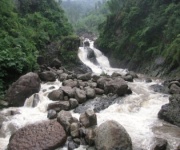
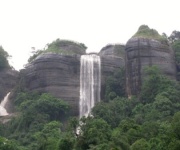
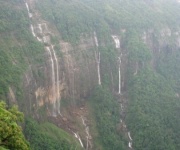
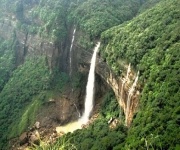
For travelers, Cherrapunjee’s fame is also connected to its scenery. Rain has shaped deep gorges, limestone caves, forested slopes, and numerous waterfalls. During the monsoon, cascades such as Nohkalikai, Dainthlen, and Wei Sawdong become especially powerful, although heavy cloud can sometimes obscure viewpoints.
The town’s name is used in several forms. Cherrapunjee and Cherrapunji remain common travel spellings, while Sohra is the local name and the official administrative usage in many contexts. All three refer to the same well-known high-rainfall destination.
What the monsoon feels like on the ground
The wettest months are generally June through September, with July and August often bringing the most persistent rain. Showers may arrive in bursts, continue for hours, or return repeatedly throughout the day. Low clouds can move quickly across ridges, turning a clear viewpoint into a wall of mist within minutes.
Rainfall is not the same as constant misery. There can be short clear intervals between showers, and these moments often produce the best conditions for photographs. Waterfalls swell, streams become animated, and the hills take on vivid green tones. Visitors should, however, expect slippery paths, wet steps, reduced visibility, and occasional changes to sightseeing plans.
| Factor | Cherrapunjee (Sohra) | Mawsynram |
|---|---|---|
| Usual rainfall reputation | Famous for extreme rainfall records | Generally recognized for the higher annual average |
| Main appeal | Waterfalls, caves, viewpoints, villages, and living root bridges | Quieter rural scenery, rolling hills, and a less commercial atmosphere |
| Visitor access | More established tourism infrastructure and day-trip routes | Fewer visitor services and a more exploratory travel experience |
| Monsoon conditions | Heavy rain, mist, dramatic cascades, slippery trails | Heavy rain, cloud, and quieter roads and viewpoints |
| Best suited to | First-time visitors and multi-attraction itineraries | Travelers seeking solitude and a less developed destination |
| Trip planning | Easier to combine with Shillong and nearby attractions | Better with flexible timing and advance transport planning |
Cherrapunjee offers the broader sightseeing base
For most visitors, Cherrapunjee is the easier place to build a Meghalaya itinerary. It has a wider choice of resorts, hotels, restaurants, guides, and transport arrangements. Its location also makes it convenient for visiting several attractions within the same trip, including waterfalls, caves, scenic viewpoints, and living root bridges.
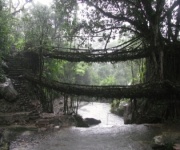
The famous double-decker living root bridge at Nongriat requires a demanding descent and ascent, but it is one of the region’s most memorable experiences. Other attractions near Sohra include Mawsmai Cave, Arwah Cave, Seven Sisters Falls, and the imposing Nohkalikai Falls. Not every site is equally accessible during intense rain, so local conditions and time should guide the day’s route.
Cherrapunjee is also a practical base for travelers who want a structured vacation package. A stay of two to seven nights can combine sightseeing with slower days for village walks, viewpoints, and rest. The area works well for couples, families, photographers, and first-time visitors who prefer dependable arrangements.
Mawsynram suits a quieter kind of journey
Mawsynram appeals to travelers who are more interested in atmosphere than a long list of famous attractions. The surrounding countryside feels less commercial, with broad green slopes, exposed rock, small settlements, and cloud-filled valleys. The journey itself can be part of the experience, especially when changing weather creates shifting views across the plateau.
Facilities are more limited than in Cherrapunjee, so Mawsynram usually rewards travelers who plan carefully. Transport may need to be arranged in advance, and dining or accommodation choices may be fewer. During the monsoon, road conditions and visibility can change quickly, making a flexible schedule particularly valuable.
The village is a strong choice for visitors who want to understand Meghalaya beyond its major tourist stops. It offers a slower rhythm and a closer look at the rain-shaped environment. Travelers expecting a dense concentration of attractions may prefer Sohra, while those seeking quiet landscapes may find Mawsynram more rewarding.
Choose the destination that matches your travel style
Rainfall alone should not decide where you stay. Mawsynram has the stronger claim in terms of average annual precipitation, but Cherrapunjee often delivers the more complete visitor experience. It has more established routes, a larger range of attractions, and easier access to accommodation and local services.
The ideal season also depends on your priorities. Visit during the monsoon if you want roaring waterfalls, saturated greenery, and the full force of Meghalaya’s rain. Choose October through April for clearer skies, more comfortable walking conditions, and better chances of enjoying distant views, although waterfalls may be less powerful.
Whichever destination you choose, pack for damp conditions rather than relying on a single raincoat. Quick-drying clothing, waterproof footwear with good grip, a dry bag for electronics, and a protective cover for luggage can make a major difference. This monsoon packing guide provides useful preparation advice for a wet-season journey.
When comparing the two places, these practical priorities can help:
- Choose Cherrapunjee for the widest selection of waterfalls, caves, viewpoints, and guided excursions.
- Choose Mawsynram for quieter roads, fewer crowds, and a more rural atmosphere.
- Travel in the monsoon for maximum waterfall flow, but allow extra time for weather-related delays.
- Visit in the drier season if hiking, photography, and panoramic views are more important than peak rainfall.
- Arrange transport, accommodation, and local guidance before traveling to remote areas.
Turn a rainfall record into a memorable trip
The wettest-place debate is a fascinating reason to visit Meghalaya, but the real reward lies in seeing how rain has shaped the land and its communities. Cherrapunjee provides a convenient gateway to dramatic natural attractions, while Mawsynram offers a quieter encounter with the same extraordinary climate.
A well-planned journey can include both destinations, with Sohra as the main sightseeing base and Mawsynram as a contrasting day visit or overnight stop. Local guides and experienced tour operators can help adjust routes around rainfall, road conditions, trail safety, and seasonal access.
Explore the Cherrapunjee vacation packages on Cherrapunjee.net and contact India Beacons Sojourn to plan a Meghalaya itinerary suited to your preferred season, comfort level, and interest in waterfalls, caves, living root bridges, and high-rainfall landscapes.