





Five Days Between Shillong And Cherrapunjee
A five-day Meghalaya holiday can combine Shillong’s lively hill-station character with the dramatic landscapes of Cherrapunjee, also known as Cherrapunji or Sohra. The two destinations are close enough to connect comfortably, yet different enough to create a varied journey: cafés, markets and colonial-era viewpoints in Shillong, followed by waterfalls, caves, forest trails and living root bridges around Sohra.
For travellers flying from Australia, the key is to build the itinerary around road and flight times rather than trying to cover every attraction. A sensible route usually includes two nights in Shillong, two nights in Cherrapunjee, and a final departure plan through Guwahati. With an early start, thoughtful accommodation choices and room for changing weather, five days can feel full without becoming exhausting.
Shape The Route Around Arrival Times
Most international visitors from Sydney, Melbourne, Brisbane or Perth will need a connection through a major Indian city before reaching Guwahati. Shillong is approximately three hours from Guwahati by road, depending on traffic and weather, while Cherrapunjee is a further scenic drive into the Khasi Hills. Reaching Guwahati late in the day can make a direct transfer to Shillong tiring, so an overnight near the airport may be worthwhile for families or travellers arriving after a long-haul journey.
A practical schedule begins with Shillong, continues to Sohra, and returns towards Guwahati on the final day. If your flight arrives early, you can travel directly to Shillong and use the afternoon for a relaxed introduction. Travellers who prefer to base themselves in Shillong and visit Sohra as a long day excursion can review this guide to a Shillong to Cherrapunjee day trip, although an overnight stay in Cherrapunjee gives you more time for walks and viewpoints.
Australian school holidays, particularly in December–January and around Easter, can make popular accommodation more expensive. Booking ahead is wise during these periods, as well as around local festivals and long weekends in India. Allow extra time on the roads during wet weather, when visibility can fall and traffic can slow considerably.
Spend Your First Days In Shillong
Shillong works well as the first base because it offers a gentle transition into Meghalaya. Spend your first afternoon walking around Police Bazaar, where shops, bakeries and food stalls provide an easy introduction to local life. Ward’s Lake and Lady Hydari Park are suitable for a slower outing, while Shillong Peak and Elephant Falls offer accessible scenery without requiring a demanding trek.
The city also has a distinctive music culture and a strong café scene. You may find live performances, coffee shops and restaurants serving Khasi, Indian, Tibetan and continental dishes. Travellers accustomed to Melbourne laneway cafés or Sydney’s busy restaurant districts should expect a more relaxed pace, shorter opening hours in some places and occasional power or internet interruptions outside major hotels.
Use the second day for Shillong’s wider attractions. Don Bosco Museum provides useful context about the communities and traditions of Northeast India, and the surrounding hills offer viewpoints over pine forests and valleys. If you enjoy shopping, local markets are good places to look for woven textiles, bamboo goods and regional food products. Carry small Indian rupee notes, since smaller vendors may not accept Australian cards or international payment apps.
Make Cherrapunjee The Scenic Centrepiece
On the third morning, leave Shillong for Cherrapunjee. The drive is an attraction in itself, with open hills, misty valleys and roadside settlements appearing along the route. Stop at viewpoints such as Mawkdok Dympep Valley if conditions are clear, then continue towards Sohra’s waterfalls and caves. Because clouds can arrive quickly, avoid treating a single viewpoint as the main purpose of the day.
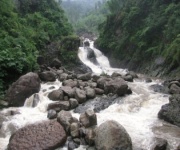
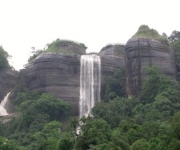
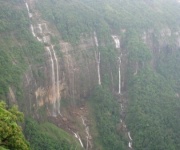
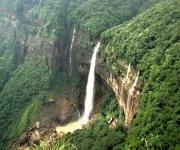
Nohkalikai Falls is among the most recognisable sights in the region, dropping into a vivid blue-green pool below a high cliff. Seven Sisters Falls is especially impressive during and soon after the monsoon, although heavy rain may obscure parts of the cascade. In drier months, the falls can be less powerful, yet the surrounding escarpment and changing light still make the visit worthwhile.
Cherrapunjee is famous for extreme rainfall, but that does not mean every day is continuously wet. The landscape changes with the seasons: monsoon brings powerful waterfalls and saturated greenery, while the drier months often offer clearer views and easier walking. Pack for both possibilities. A waterproof jacket, quick-drying trousers and a protective cover for electronics are more useful than relying on an umbrella alone.
Plan Waterfalls Caves And Living Bridges
The fourth day is best reserved for the experience that most interests you. Mawsmai Cave is relatively accessible and gives first-time visitors a taste of the region’s limestone formations. Arwah Cave involves a more natural trail and uneven terrain, making it a better choice for travellers who enjoy walking. Good footwear is essential in both areas, especially after rain, when rock surfaces become slippery.
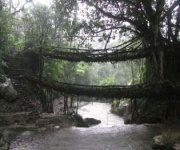
For a more demanding day, travel towards Nongriat to see the famous living root bridges. The route involves thousands of steps through forest, and the return climb can be strenuous in humid conditions. It is not an attraction to squeeze between several other stops. Start early, carry water and food, and use a local guide if you are unfamiliar with the trail. Travellers should also be realistic about fitness: this outing may not suit young children, anyone with knee problems or visitors carrying heavy daypacks.
The root bridges are living structures formed by guiding the roots of rubber fig trees across streams over many years. Their strength and organic form reflect a long relationship between Khasi communities and the forest. Treat the bridges and surrounding villages respectfully, stay on established paths and avoid leaving plastic or other waste behind.
Choose Stays And Travel Logistics
Shillong has the widest range of accommodation, from practical guesthouses to comfortable hotels with restaurants and transport assistance. Cherrapunjee offers resorts, homestays and hillside properties, some with excellent views. A property near Sohra’s main attractions can save significant driving time, while a remote resort may provide a quieter atmosphere but fewer dining choices and weaker mobile coverage.
When comparing rooms, check whether hot water, heating, breakfast, parking and reliable power are included. Meghalaya’s evenings can feel cool, particularly for Australians used to warmer northern climates, and rooms may not always have the same heating systems found in hotels in Canberra or Hobart. A light fleece or warm layer is useful even outside winter.
Private car and driver hire is usually the most convenient option for a five-day itinerary. Public transport can be inexpensive, but services may be less frequent and difficult to coordinate with waterfalls, caves and trailheads. Driving is on the left, as in Australia, yet road conditions, overtaking habits and local traffic patterns can feel very different from those in Adelaide or Perth. Allow your driver to manage narrow hill roads rather than trying to fit too many stops into one day.
For itinerary presentation, a clean visual layout can make transfer times, walking days and accommodation details easier to understand. Some travellers enjoy keeping a polished trip journal or preparing a personal travel booklet with visual design ideas before departure. The practical priority, however, is clarity: mark early starts, trail lengths and backup plans for poor visibility.
Make Five Days Feel Unhurried
A balanced five-day plan could look like this: arrive in Shillong on day one and explore nearby sights; spend day two on the city’s museums, markets and viewpoints; transfer to Cherrapunjee on day three with scenic stops; use day four for caves, waterfalls or the Nongriat root bridges; and travel back towards Guwahati on day five for an evening or late-night flight. If your departure is early, spend the final night near Guwahati instead of attempting a same-day connection from Sohra.
The route can be adjusted for different travel styles. Couples may prefer a waterfall viewpoint, a quiet homestay and a half-day nature walk. Families may choose shorter cave visits and accessible falls rather than the Nongriat descent. Active travellers can devote most of day four to the root bridges, while photographers may benefit from flexible time around sunrise, mist and changing light.
Respect for local customs will make the journey smoother. Dress modestly when visiting villages and religious or community spaces, ask before photographing people, and remove shoes where requested. Tipping is appreciated for good service but is not handled exactly like Australia’s hospitality culture. Small cash payments remain useful for guides, food stalls and entry fees, even when a hotel accepts cards.
Travel insurance should cover trekking, medical care and delays caused by weather. Australian travellers should also check passport validity, visa requirements and current entry rules before leaving home. A compact first-aid kit, insect repellent, refillable water bottle, sun protection and comfortable shoes will make the itinerary easier in both Shillong and Sohra.
A five-day Shillong and Cherrapunjee holiday is most rewarding when the schedule leaves space for weather, conversation and unexpected views. Plan the essential transfers in advance, then allow the hills to set the pace. For accommodation, transport arrangements and a package suited to your dates, contact the booking team and begin shaping your Meghalaya journey.