




Exploring the Umngot River from Cherrapunjee
The Umngot River, flowing through the Jaintia Hills near Dawki, is one of Meghalaya’s most memorable natural attractions. Its clear water, forested banks and dramatic hills create a landscape that feels very different from the misty plateaus and waterfalls around Cherrapunjee, also known as Sohra or Cherrapunji.
A day trip from Cherrapunjee to Dawki combines scenic driving with river activities, village landscapes and a glimpse of the India-Bangladesh border. The journey takes time, yet the changing scenery makes the route part of the experience. Rocky hills gradually give way to greener valleys, betel-nut plantations, streams and the broad river corridor around Dawki and Shnongpdeng.
The river is often described as crystal clear, although its appearance depends on the season, sunlight, rainfall and local conditions. Planning your visit around the right weather, choosing a suitable departure time and allowing flexibility for road travel will help you enjoy the destination at a comfortable pace.
Why the Umngot River is worth visiting
The appeal of the Umngot lies in its unusual clarity and setting. On bright days, boats appear to float above the riverbed, while the shallow sections reveal smooth stones beneath the surface. Hills rise on either side, and the quiet surroundings give the river a character that differs from Meghalaya’s louder waterfall destinations.
Dawki is the best-known access point, but many river experiences take place near Shnongpdeng, a riverside village further upstream. The area has become popular for boating, kayaking, swimming and simple riverside stays. Visitors can choose a relaxed boat ride or spend longer beside the water, taking photographs and enjoying the cool valley air.
The scene changes throughout the year. Winter and the early dry season often bring clearer water and calmer conditions, while the monsoon transforms the river into a stronger, fuller flow. Heavy rain may reduce visibility in the water and affect boating schedules, but the surrounding hills become intensely green.
The journey from Cherrapunjee to Dawki
Dawki is roughly 80 kilometres from Cherrapunjee, though the actual travel time depends on road conditions, traffic, stops and the chosen route. A private vehicle or hired local taxi is usually the most practical option for a day excursion. Leaving early gives you more time at the river and reduces the likelihood of returning after dark.
The drive passes through a changing Meghalaya landscape. Depending on the route, you may see forested slopes, open grasslands, small settlements, roadside viewpoints and sections of the Jaintia Hills. The road can be winding, so travellers prone to motion sickness should sit near the front, eat lightly before departure and carry any required medication.
A direct trip can feel rushed if you try to include every attraction along the way. It is better to decide whether your priority is a boat ride, riverside relaxation, photography, the border viewpoint or several short stops. A carefully paced Dawki itinerary is more enjoyable than trying to collect too many locations in a single day.
Travellers who enjoy walking can add a short nature stop around Sohra before or after the Dawki excursion. The region has trails through forest, village paths and viewpoints, and these day-hike ideas can help extend a Cherrapunjee stay beyond the main tourist viewpoints.
Choosing the best time to go
For clearer water and comfortable river activities, the months from October to April are generally preferred. November to February brings cooler temperatures and often pleasant daytime conditions, although mornings can be chilly. March and April are warmer, with fresh greenery remaining in many areas before the heavier rains arrive.
The monsoon period, usually from May through September, brings powerful scenery and frequent rainfall. The river may become deeper, faster and less transparent, and water activities can be suspended for safety. Roads may also be slower because of wet conditions, landslides or maintenance. Travellers visiting during this season should treat boating as weather-dependent rather than guaranteed.
Weekdays are often quieter than weekends and public holidays. Early morning visits can provide softer light, fewer crowds and a calmer atmosphere at popular boating points. During peak travel periods, confirm boat availability and accommodation in advance, particularly if you plan to stay overnight at Shnongpdeng.
The ideal time also depends on the experience you want. Clear water and boat photography favour dry-season conditions, while lush hills, dramatic clouds and fuller streams make the rainy months appealing to landscape photographers who are comfortable with changing plans.
Experiences along the river
A traditional boat ride is the easiest way to appreciate the Umngot. Boats usually move through calmer stretches, allowing passengers to look into the water and view the surrounding cliffs and vegetation. The pace is generally gentle, making the trip suitable for families and travellers who prefer sightseeing to adventure sports.
Kayaking and other river activities may be available through local operators, especially around Shnongpdeng. Conditions, equipment and operating hours can vary, so check the safety arrangements before booking. Wear clothing that dries quickly, protect phones and cameras in waterproof cases, and follow the guide’s instructions around deeper channels and stronger currents.
Swimming is popular in selected areas, though it should never be treated casually. River depth and flow can change, submerged rocks may be difficult to see and conditions can shift after rain. Swim only in areas identified as safe by local operators, avoid isolated sections and use a life jacket when one is provided.
Photography is rewarding throughout the day. Morning light can bring out the colour of the water, while late afternoon creates shadows across the hills. A polarising filter can reduce glare, but a simple camera or phone is enough to capture the boats, river stones, green slopes and village life.
Places to include near Dawki
Dawki town is associated with the India-Bangladesh border and the bridge crossing the Umngot. The border area has strong geographic and cultural interest, but it is also a regulated zone. Visitors should follow instructions from security personnel, remain within permitted viewing areas and avoid photographing restricted infrastructure.
Shnongpdeng is usually the more relaxing base for river activities. Its riverside setting offers access to boating, campsites, homestays and simple local eateries. Staying overnight can make the excursion less tiring and allows you to experience the valley when day visitors have departed.
The route may also be combined with nearby attractions such as Krang Suri Falls, depending on the road plan and available time. Krang Suri is known for its blue pool, forest setting and landscaped access area, though combining it with Dawki requires an early start and a realistic schedule.
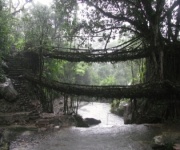
Mawlynnong is another possible addition for travellers who have extra time. Known for its village pathways, gardens and living root bridge access in the wider area, it is better treated as a separate stop or overnight extension rather than a hurried detour on a packed Dawki day trip.
| Planning point | Practical guidance |
|---|---|
| Distance from Cherrapunjee | Approximately 80 kilometres, depending on the route |
| Typical travel time | Around 3–4 hours each way with road conditions and stops |
| Best season for clear water | Usually October to April |
| Main river activity areas | Dawki and Shnongpdeng |
| Transport | Private vehicle or pre-arranged local taxi |
| Recommended trip style | Early start, flexible timing and limited major stops |
| Overnight option | Riverside homestay, camp or guesthouse near Shnongpdeng |
| Weather consideration | Monsoon rain can affect roads, visibility and boating |
What to arrange before leaving
Reserve transport through a reliable local provider familiar with Meghalaya’s hill roads. Confirm whether the quoted fare includes waiting time, fuel, parking and return travel. A driver who knows the route can also advise on road conditions and suggest practical meal or rest stops.
Wear comfortable shoes with a secure grip, especially if your itinerary includes riverbanks, uneven paths or waterfalls. Pack a light rain jacket even in the dry season, since weather can change quickly. Sun protection, insect repellent, a refillable water bottle and a small first-aid kit are useful additions.
Keep your luggage compact for a day trip. Bring dry clothing if you intend to kayak or swim, along with waterproof pouches for cash, identification and electronics. A warm layer is useful during early departures and the return journey, particularly in winter.
Foreign nationals should carry their passport, valid Indian visa and any required registration documents. Check current entry, border-area and travel requirements before departure because rules can change. Indian travellers should carry an accepted identity document, while everyone should respect local instructions near the international boundary.
Recommendations for a smoother day
A few practical decisions can make the river excursion more comfortable and responsible:
- Leave Cherrapunjee early to maximise time at Dawki and Shnongpdeng.
- Confirm river activity availability, weather conditions and safety equipment locally.
- Carry modest clothing and protect valuables from splashes during boating.
- Avoid littering, disposable plastics and loud behaviour near villages and the riverbank.
- Choose a local guide, homestay or operator where possible to support the community.
Allow extra time for meals, photographs and unexpected road delays. Meghalaya’s roads pass through working villages and sensitive natural areas, so a slower pace is safer and more respectful than trying to maintain a rigid schedule.
Food options may be simple outside the main towns. Carry a few snacks, but try local eateries when available. Ask before photographing residents, homes or community spaces, and leave natural features exactly as you found them.
Building the excursion into a Cherrapunjee holiday
The Umngot River works well as part of a longer Meghalaya itinerary rather than as an isolated transfer. A two-night stay in Cherrapunjee can include local waterfalls and viewpoints before a full-day Dawki trip. With three or more nights, you can add a Shnongpdeng overnight stay, nearby caves, forest walks or a slower return route.
Families may prefer a private vehicle and a flexible river visit, while couples and photographers may enjoy spending the night near the water. Adventure-focused travellers can request kayaking or camping, subject to seasonal conditions. The right arrangement depends on mobility, weather tolerance and how much time you want beside the river.
Accommodation in Cherrapunjee ranges from resorts and hotels to homestays, while Dawki and Shnongpdeng offer more basic riverside options. Booking ahead is wise during holidays and pleasant-weather months. A local travel company can coordinate transport, stays, activity timing and sightseeing without making the day feel unnecessarily crowded.
When you are ready to plan your Meghalaya holiday, contact India Beacons Sojourn through Cherrapunjee.net for a package tailored to your schedule. Combining Sohra’s waterfalls, caves and living root bridges with the tranquil Umngot River creates a balanced journey through the landscapes and communities of Meghalaya.