





How to Combine Your Cherrapunjee Trip with a Visit to Mawlynnong
Cherrapunjee, also known as Sohra or Cherrapunji, and Mawlynnong offer two different views of Meghalaya. Sohra is famous for dramatic escarpments, waterfalls, caves and living root bridges, while Mawlynnong is a small village near the Bangladesh border known for its landscaped lanes, community pride and peaceful rural setting. Visiting both creates a more rounded Meghalaya holiday than staying in one destination.
For travellers from Australia, the combination works especially well as part of a longer Northeast India itinerary. You can begin in Shillong, spend several nights exploring Cherrapunjee, continue to Mawlynnong and nearby attractions, then return to Shillong for onward flights. Allowing time for slow roads, monsoon weather and local transport will make the journey far more enjoyable than trying to fit everything into a rushed weekend.
Choose The Best Route And Length
Most visitors reach Meghalaya through Guwahati in Assam, which has the region’s most practical major airport connections. From Guwahati, Shillong is generally the first base, followed by a road journey of roughly two to three hours towards Cherrapunjee, depending on traffic and weather. Mawlynnong is usually visited from Shillong or as an onward excursion from Sohra, with the exact travel time changing according to road conditions and stops.
A comfortable plan is to spend three nights in Cherrapunjee, one or two nights around Mawlynnong, and at least one night in Shillong before departure. A seven-night itinerary allows room for Nohkalikai Falls, Seven Sisters Falls, Mawsmai Cave, Arwah Cave, a living root bridge and the Mawlynnong area without treating each stop as a quick photo break.
Travellers with less time can make Mawlynnong a full-day trip from Cherrapunjee, although this means several hours on winding roads. A multi-day stay gives you a better chance to see the village early in the day, visit nearby Riwai and spend time at the single-decker living root bridge. It also leaves flexibility if heavy rain slows the route.
For Australians accustomed to driving between regional towns in a reliable car, Meghalaya can feel slower and less predictable. Distances on a map do not tell the whole story. Mountain roads, sharp bends, market traffic and short roadside stops all affect the schedule, so build in generous transfer time rather than planning around exact arrival minutes.
Match The Experiences In Both Destinations
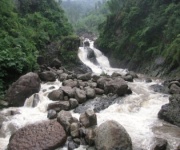
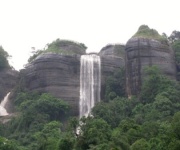
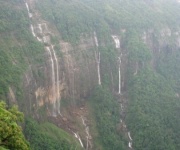
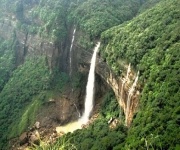
Cherrapunjee is the stronger base for natural drama. Waterfalls can be spectacular during and after the monsoon, with Nohkalikai plunging into a deep green gorge and the seasonal Seven Sisters Falls spreading across the cliff face. Cave visits add a different mood, particularly when you walk through narrow passages, damp limestone chambers and low sections that require care.
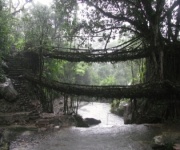
The region’s living root bridges are among Meghalaya’s most memorable experiences. These structures are formed by guiding the roots of rubber fig trees across streams over many years. The trek to a bridge can include steep stone steps, slippery paths and humid forest conditions, so sturdy footwear is more useful than fashionable travel sandals.
Mawlynnong has a gentler rhythm. Visitors typically explore the village paths, flower-filled homes, bamboo structures and viewpoints towards the Bangladesh plains. Nearby Riwai is important because its single-decker living root bridge is easier to reach than some of the deeper Sohra trails. The village visit is best approached as a chance to observe local community life, not as a checklist of attractions.
Plan outdoor activities for the morning where possible. Clouds can gather quickly in the Khasi Hills, and rain may reduce visibility at viewpoints. An early start also means cooler walking conditions and fewer visitors. If you are travelling during Australian school holidays, booking accommodation and transfers well ahead is sensible, particularly around December, Easter and the June-to-July peak travel period.
Compare The Two Bases Before Booking
Accommodation in Cherrapunjee ranges from practical hotels and resorts to quieter properties surrounded by hills. It is a useful base for waterfall circuits, caves and longer walks, and many travellers prefer staying there for several nights rather than returning to Shillong after every outing. Facilities vary, so check whether your property has reliable hot water, power backup, heating and restaurant service.
Mawlynnong has a smaller accommodation supply, often consisting of guesthouses, homestays and simple cottages. Staying locally can provide a more peaceful experience, but rooms may be basic and meal choices limited. Reserve ahead if you want to sleep in the village rather than visit on a day trip, and carry essential medicines and personal items because nearby shopping is modest.
| Travel priority | Cherrapunjee | Mawlynnong |
|---|---|---|
| Best for | Waterfalls, caves, viewpoints and longer nature walks | Village atmosphere, Riwai and a quieter rural stay |
| Ideal stay | Two to four nights | One or two nights |
| Accommodation | Wider choice of hotels and resorts | Smaller selection of homestays and guesthouses |
| Travel pace | More sightseeing and active excursions | Slow walks and short local visits |
| Weather planning | Rain can affect trails and waterfall views | Rain can affect village roads and viewpoints |
| Most suitable transport | Private car, hired vehicle or organised tour | Private transfer or planned day excursion |
Transport is the main practical decision. Private vehicles offer the most control, especially for families, photographers and travellers carrying larger bags. Shared taxis can cost less and connect major points, but they may depart when full and provide less flexibility for viewpoints or unscheduled stops. Before travelling, read this guide to shared taxis and buses so you understand how local public transport differs from scheduled services in Australia.
Build A Flexible Day-By-Day Itinerary
A useful seven-night outline begins with arrival in Guwahati and transfer to Shillong, followed by two or three nights in Cherrapunjee. Dedicate one day to the major waterfalls and viewpoints, another to caves and a living root bridge, and keep a spare morning for weather-related changes. After Sohra, travel towards Mawlynnong for one or two nights, then return to Shillong or Guwahati.
A sample sequence could look like this:
- Night one in Shillong after arriving through Guwahati
- Nights two to four in Cherrapunjee for waterfalls, caves and forest walks
- Night five in Mawlynnong with time for Riwai and the village lanes
- Night six near Mawlynnong or Shillong, depending on your onward plans
- Night seven in Shillong or Guwahati before the flight home
If your international flight arrives late or after a long journey from Sydney, Melbourne, Perth or Brisbane, avoid scheduling a same-day mountain transfer. A first night in Guwahati or Shillong can make the trip easier on the body. Australians often use the word “arvo” for a relaxed afternoon, but in Meghalaya an afternoon transfer can take longer than expected, so leave the arvo free for check-in and a short local walk.
Longer stays can include Dawki and the Umngot River, which lies in the same broad southern Meghalaya travel circuit. However, adding Dawki to Mawlynnong and Cherrapunjee in a single day can create an exhausting schedule. Treat the route as a region to explore gradually, with the river excursion as an optional extension rather than a compulsory extra.
A package can simplify hotel coordination, vehicle arrangements and sightseeing order. The seven-night Cherrapunji holiday package can provide a useful framework, while the Mawlynnong portion may be added or arranged around the operator’s current itinerary and road conditions. Confirm exactly what is included, especially accommodation category, meals, permits, transfers and local guide services.
Prepare For Weather, Culture And Practical Details
Meghalaya is one of the wettest regions in the world, so rain preparation matters in every season. A waterproof daypack, quick-drying clothing, a light fleece, a compact umbrella and shoes with firm grip are valuable. Australian travellers used to dry heat around Perth or sudden coastal showers near Brisbane may find the persistent humidity more demanding than the rainfall itself.
Pack modest clothing for village visits and religious or community spaces. Lightweight trousers, shirts that cover the shoulders and a scarf are practical for changing weather and respectful sightseeing. Carry a reusable water bottle, insect repellent, a small first-aid kit, power bank, torch and offline maps. Mobile coverage can vary in valleys and rural stretches.
Before booking flights, check passport validity, entry rules and the current conditions for travel in Northeast India. Visa requirements can depend on nationality, itinerary and policy updates; Australian passport holders should use official sources and allow sufficient processing time. This guide to Indian visa rules is a useful starting point, but official Indian government information should remain the final reference.
Keep some Indian rupees in cash for small restaurants, village contributions, local transport and market purchases. Cards and digital payments are more common in larger towns, yet rural acceptance is less reliable. ATM access is also easier in Shillong and Cherrapunjee than in smaller villages. A few low-value notes can save time when paying for snacks, entry fees or a short local transfer.
Respect local expectations around photography and waste. Ask before photographing residents, homes or religious sites, and follow signs about restricted paths. Mawlynnong’s reputation for cleanliness reflects community effort, so carry rubbish with you if a bin is unavailable. A quiet, considerate approach will make your visit more welcome and help preserve the character that draws people to the village.
Before leaving for the hills, confirm these practical details:
- Whether your accommodation has heating, hot water and power backup
- Whether the vehicle includes fuel, driver expenses and sightseeing stops
- Which cave and bridge walks require a local guide
- Whether rain has changed access to waterfalls or forest trails
- How many bags can fit comfortably in the transfer vehicle
The most rewarding combination gives each destination its own purpose. Use Cherrapunjee for active nature experiences and dramatic landscapes, then let Mawlynnong slow the trip down with village walks, a local homestay and time near Riwai. With realistic road times, weather-aware planning and a few nights in reserve, the journey becomes a relaxed Meghalaya holiday rather than a race between viewpoints.
Start arranging your Cherrapunjee and Mawlynnong journey with India Beacons Sojourn, and request a tailored route that matches your dates, accommodation preferences and Australian flight plans. Booking early is especially valuable for peak periods, private transfers and the smaller range of rooms around Mawlynnong.