





How to Travel by Shared Taxi and Bus in Cherrapunjee
Cherrapunjee, also known as Sohra or Cherrapunji, is spread across a dramatic plateau in Meghalaya. Waterfalls, caves, viewpoints, villages, and living root bridges are separated by winding hill roads, so choosing the right local transport can make a significant difference to your holiday.
Shared taxis and buses are the most affordable ways to reach Sohra and move around without hiring a private car. They are especially useful for independent travellers, backpackers, and visitors who want to experience everyday transport in Meghalaya. However, services may be less frequent than expected, particularly for attractions outside the main town.
A little preparation helps. Keep small notes and coins, allow extra time for weather-related delays, and confirm the final destination before boarding. A shared vehicle may be inexpensive, but it normally follows a fixed route rather than operating as a flexible sightseeing service.
Reaching Sohra From Shillong
Most travellers begin their journey from Shillong, the capital of Meghalaya. Shared taxis usually leave from busy transport areas in or around the city, while buses operate from designated terminals or stands. Departure points and schedules can change, so confirm locally on the day of travel with your accommodation, a taxi counter, or the transport office.
Shared sumo-style vehicles are generally quicker than buses because they make fewer stops. They commonly depart when full, which means there may not be a fixed timetable. During busy periods, a vehicle can fill quickly; at quieter times, you may need to wait. Morning departures are usually the safest choice for visitors who want to continue sightseeing after arrival.
The road from Shillong to Cherrapunjee takes you through forested hills, open plateaus, and several viewpoints. The journey time depends on traffic, roadwork, weather, and the number of stops. It is sensible to leave a buffer of at least a few hours if you have a hotel check-in, tour meeting, or planned attraction visit.
Understanding Shared Taxi Travel
Shared taxis are often the most practical public transport option for reaching popular areas around Sohra. You pay for an individual seat, while the vehicle carries other passengers travelling in the same direction. Drivers may wait until the vehicle has enough passengers before leaving, particularly at smaller stands.
Tell the driver your destination before you board, especially if you are heading beyond the main Cherrapunjee market area. “Sohra” may refer to the wider town and surrounding region, while villages such as Tyrna, Laitkynsew, or Shella require a more specific route. Ask whether you need to change vehicles and where the return taxi can be found.
Seats are often compact, and luggage space may be limited. A soft backpack is easier to manage than a large suitcase. If you are carrying trekking equipment, camera bags, or several pieces of luggage, check that the vehicle can accommodate them before paying.
Fares can vary with route, fuel costs, and local transport rules. Keep enough small cash for the journey because digital payment may not be available at rural stands. It is also wise to ask the fare before departure and retain your belongings close to you throughout the ride.
Using Buses Around Cherrapunjee
Buses can be a budget-friendly choice for the Shillong–Sohra route and selected local connections. They are usually less flexible than shared taxis and may run at limited times. A bus may be ideal when your schedule is relaxed, but it is less suitable for travellers trying to visit several distant attractions in one day.
Look for current information at the bus stand rather than relying entirely on online listings. Departures can change because of road conditions, public holidays, school schedules, or maintenance. Ask where the bus will stop in Sohra and whether the stop is close to your accommodation or requires a short walk or taxi ride.
Local buses may serve villages and junctions near attractions, but they do not necessarily stop directly at a waterfall entrance or cave. From the main road, you may need to walk along a narrow or uneven stretch. Carry drinking water, wear shoes with good grip, and avoid assuming that a return service will be available immediately.
The following comparison can help you decide which option suits a particular journey:
| Transport option | Best for | Main advantages | Important limitations |
|---|---|---|---|
| Shared taxi | Fast transfers between Shillong and Sohra | Quicker, frequent on popular routes, simple fares | Leaves when full, limited luggage space |
| Public bus | Low-cost travel with a flexible schedule | Economical and useful for longer routes | Fewer departures and more stops |
| Local shared vehicle | Short trips to nearby villages or junctions | Affordable access beyond central Sohra | Route information may be informal |
| Hired taxi | Waterfalls, caves, and multiple stops | Door-to-door convenience and flexible timing | Higher cost than public transport |
| Walking from a roadside stop | Short final stretches | Free and useful for nearby viewpoints | Unsafe or tiring in rain and darkness |
Getting Between Attractions
Cherrapunjee’s attractions are widely distributed. Nohkalikai Falls, Seven Sisters Falls, Mawsmai Cave, Arwah Cave, Eco Park, and the route to the living root bridges are not all located within easy walking distance of each other. Public transport can take you part of the way, but completing a full sightseeing circuit by bus alone may be difficult.
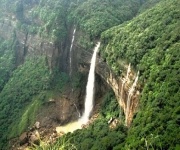
For a single attraction near the main road, a local shared taxi or bus may be enough. For places requiring a long descent, a village approach, or a return walk, plan the entire route before leaving. Travellers visiting the base of Nohkalikai Falls should study a Nohkalikai descent guide in advance, since the trail involves considerable effort and is very different from viewing the waterfall from above.
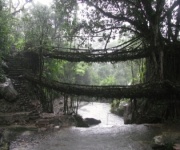
Tyrna is the usual starting point for the Nongriat living root bridge trek. A shared vehicle may take you towards Tyrna, but the trail itself must be completed on foot and includes many steps. Arrange your return transport before beginning the walk, or ask local residents about the latest vehicle options when you arrive.
When visiting several sites in one day, compare the cost of separate fares with a full-day taxi. Public transport is economical for point-to-point travel, while a hired vehicle saves time between distant stops. During monsoon months, extra time is essential because heavy rainfall can slow traffic and make paths slippery.
Staying Safe On Hill Roads
Meghalaya’s roads can be narrow, winding, and uneven. Rain, fog, falling rocks, and temporary repairs may affect travel without warning. Sit away from loose luggage, use the available seat belt when provided, and avoid standing in a moving vehicle. If you are prone to motion sickness, carry medication and choose a forward-facing seat when possible.
Start outdoor trips early so that the return journey takes place in daylight. Visibility can fall quickly in clouds and rain, and roadside lighting is limited outside settlements. Do not rely on the final bus or taxi of the day unless you have verified its departure time locally.
Keep your phone charged, but do not assume that mobile coverage will work along every route. Save your accommodation’s address and telephone number offline. A small power bank, a torch, basic first aid supplies, and a waterproof cover for your phone are useful additions to a day bag.
Respect local communities and transport customs. Ask before photographing drivers or passengers, keep the vehicle clean, and avoid blocking the entrance with luggage. If a driver refuses a route because of weather or road conditions, treat the decision seriously and choose a safer alternative.
Planning Fares, Stops, And Timing
Transport planning begins with identifying the nearest practical junction rather than searching only for the attraction name. Ask accommodation staff whether a site is accessible by bus, shared taxi, or walking. Local advice is particularly valuable for less-visited caves, viewpoints, and villages where online maps may not show current road conditions.
Build waiting time into your itinerary. A shared taxi may fill immediately in the morning but require a longer wait later in the day. Buses may be comfortable for a relaxed transfer, yet inconvenient when you have a fixed check-in time. Keep your first day relatively light if you arrive from Shillong after a long journey.
Carry rain protection throughout the year. Cherrapunjee is famous for heavy rainfall, and even a short transfer can become uncomfortable if you are unprepared. A lightweight rain jacket, waterproof footwear, quick-drying clothes, and a dry bag protect both you and your belongings.
Use the following checklist when preparing for public transport:
- Confirm the departure stand, route, approximate fare, and final stop before boarding.
- Carry small Indian currency notes and keep emergency cash separately.
- Pack a rain jacket, water, snacks, comfortable shoes, and a charged phone.
- Record the last practical return option before starting a trek or rural excursion.
- Leave extra time for traffic, road repairs, fog, and monsoon conditions.
Choosing Where To Stay
Your accommodation can make shared transport much easier. Staying near the central Sohra market or a well-connected road gives you better access to local taxis, buses, shops, and basic services. Properties farther from town may offer peaceful views, but you may need to arrange a pickup or walk to the main road.
Ask your resort or hotel about the nearest taxi stand and the best way to reach your planned attractions. Staff often know which vehicles serve particular villages and whether a return trip is realistic on the same day. They may also help arrange a shared transfer when several guests are travelling in the same direction.
Travellers using public transport should avoid changing accommodation too frequently. A central base allows you to explore nearby waterfalls and viewpoints while keeping luggage in one place. For a longer Meghalaya itinerary, combine Sohra with Shillong or nearby destinations rather than attempting to cover every attraction through unplanned daily transfers.
A multi-day stay also gives you flexibility when rain disrupts a journey. If a cave, trek, or village route becomes impractical, you can move the activity to another day instead of losing the entire experience. This is one reason two or more nights in Cherrapunjee can be more comfortable than a rushed day trip.
Public transport in Cherrapunjee rewards travellers who stay observant and flexible. Shared taxis are usually the fastest low-cost choice, buses work well for unhurried journeys, and hired vehicles become valuable when attractions are scattered or weather changes your plans. With current local information, sensible timing, and light luggage, travelling through Sohra can be both economical and rewarding.
Begin planning your Cherrapunjee holiday by matching your accommodation and sightseeing route with realistic transport connections. Then contact a trusted local tour provider for current package details, transfers, and assistance arranging a comfortable visit to Meghalaya’s waterfalls, caves, forests, and living root bridges.