





How to Explore Cherrapunjee Solo Without Overspending
Cherrapunjee, also known as Sohra or Cherrapunji, is one of Meghalaya’s most rewarding destinations for an independent traveller. Its dramatic escarpments, living root bridges, limestone caves, rainforest trails and powerful waterfalls can feel wonderfully remote, yet the town is accessible from Shillong and suitable for a carefully planned solo holiday.
For visitors from Australia, the biggest saving usually comes from choosing the right season and transport style rather than cutting every comfort. A traveller leaving Sydney, Melbourne, Brisbane or Perth will already have a substantial international airfare, so it makes sense to spend several days in the region instead of rushing through Sohra in one night. With local food, modest accommodation and shared transport, a memorable trip can remain affordable.
Set A Realistic Budget Before You Fly
The cost of travelling in Cherrapunjee depends on how much private transport you use. Accommodation, meals and entry fees are generally manageable, while an exclusive taxi for multiple sightseeing days can become the largest expense. A solo traveller should build a daily allowance for a room, food, local rides, attraction fees and a small emergency reserve.
Use Indian rupees for everyday planning, then convert the total into Australian dollars before departure. Exchange rates change, but thinking in both currencies makes decisions easier: a meal that seems inexpensive in rupees still adds up if you repeatedly choose cafés, and a private car may look reasonable until its cost is divided among nobody else. Carry some cash because smaller villages and roadside stalls may not accept cards or mobile payments from foreign accounts.
A simple spending framework can keep the trip under control without making it uncomfortable:
Daily Costs Worth Allowing For
- Budget guesthouse or homestay: roughly ₹1,000–₹2,500 per night, depending on season and facilities
- Local meals, tea and bottled water: about ₹400–₹800 per day
- Shared taxi or local transport: approximately ₹200–₹700 for shorter journeys
- Sightseeing, guides and entry fees: allow ₹200–₹800 daily
- Emergency funds, laundry and unexpected transfers: keep at least ₹3,000–₹5,000 aside
These figures are planning ranges rather than fixed prices. Monsoon weekends, public holidays and popular stays can cost more. A$50 in cash is not a substitute for a full reserve, so keep a separate card and store copies of important documents online.
Reach Sohra Through Shillong
The most practical route is to fly into Guwahati and continue to Shillong by road, then travel onward to Cherrapunjee. Guwahati is the main gateway for Meghalaya, and Shillong is the useful staging point for travellers who want to break the journey, buy supplies or arrange a shared vehicle. A direct private transfer from Guwahati to Sohra is possible, but it may be poor value for one person.
From Shillong, shared sumos and taxis commonly serve major routes. They can be less predictable than a booked car, but they are usually much cheaper. Ask your accommodation in Shillong about the current departure point and timing, because transport arrangements can change. If you have a large backpack, check whether there is room before paying; rooftop luggage can be exposed to intense rain.
Australian travellers should allow for a slower road journey than the distance on a map suggests. Roads wind through hills, weather can reduce visibility and traffic may be heavy around Shillong. The driving experience is very different from travelling between Melbourne and regional Victoria or taking a long highway journey from Brisbane. Build in a buffer day rather than booking a flight connection immediately after arriving in Meghalaya.
Transport Choices That Protect Your Wallet
- Fly from an Australian capital to an Indian gateway, then compare Guwahati–Shillong options
- Use a shared taxi for the Shillong–Sohra route when your luggage is manageable
- Group major attractions by direction before hiring a vehicle
- Ask your hotel to help find another traveller for a shared day taxi
- Walk around Sohra town where practical instead of arranging a car for every short trip
Hiring a car with a driver for one carefully planned day can be sensible. It allows access to attractions spread across the plateau and avoids wasting time waiting for infrequent connections. The saving comes from limiting the hire to a full sightseeing circuit, not from trying to negotiate a new private ride at every waterfall.
Choose Accommodation And Food Carefully
Sohra has resorts, hotels, homestays and simpler guesthouses. A homestay can be the best fit for a solo visitor because it may include local advice, a home-cooked breakfast and help with taxis or guides. A room outside the busiest centre may cost less, although the saving disappears if you need a vehicle for every meal or excursion.
Check what the rate actually includes. Some properties advertise an attractive room price but charge separately for breakfast, hot water, transfers or extra bedding. In the wet season, reliable hot water, power backup, drying space and secure windows matter more than decorative facilities. Read recent reviews for road access and mobile coverage rather than focusing only on photographs.
Eat where local residents eat when possible. Rice, dal, vegetables, eggs, thali meals and Khasi specialities are usually more economical than imported snacks or western-style dishes. Shillong has a wider choice of supermarkets and cafés, so you can buy sealed snacks, toiletries and basic medication there before heading to Sohra. This resembles stocking up at a suburban Woolworths or Coles before a remote Australian road trip, although the range and brands will be different.
Drink treated or sealed water, especially while hiking. Keep a few snacks in your day pack because attractions may have limited food stalls, and do not assume that a café will be open after heavy rain. Tipping is not always handled like the standard café practice in Australia, where rounding up or adding a small amount is common; check whether a service charge is already included and tip modestly for genuinely helpful service.
Build An Itinerary Around Fewer Places
A budget itinerary works best when it gives each area enough time. Two nights can cover a quick look at Sohra, but three or four nights provide more flexibility for weather, transport delays and a longer walk. A five- to seven-night stay can combine Sohra with Shillong, Mawlynnong or another Meghalaya destination without turning every day into a transfer.
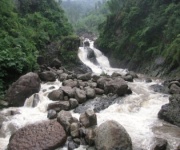
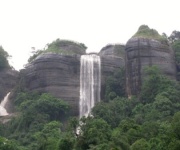
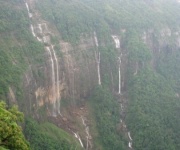
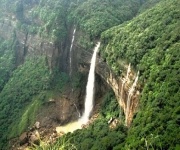
Near Sohra, prioritise attractions that match your fitness and the conditions. Nohkalikai Falls is relatively straightforward to visit from the town area, while Mawsmai Cave offers an accessible introduction to the region’s limestone landscape. The Seven Sisters Falls viewpoint is highly weather-dependent, and waterfalls may be spectacular or partly hidden by cloud. Local viewpoints can be worthwhile even when a famous lookout is crowded.
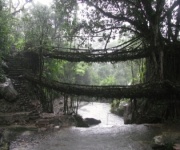
The living root bridges require more effort. Nongriat’s double-decker root bridge involves a long descent and a demanding climb back, with wet steps that can be slippery. Start early, carry water and allow enough daylight for the return. A solo traveller should tell the accommodation staff about the route and avoid treating a strenuous hike as a casual afternoon activity.
Experiences That Suit A Modest Budget
- Combine Nohkalikai Falls, nearby viewpoints and local stops in one taxi circuit
- Visit Mawsmai Cave with suitable footwear and follow local safety instructions
- Choose a root-bridge walk only when your fitness, weather and daylight allow it
- Spend time at village viewpoints rather than paying for constant private transfers
- Keep one flexible day for rain, rest or a shorter walk
Do not measure the trip by how many attractions you can tick off. In Sohra, mist over the plateau, rain moving across the hills and conversations at a homestay are part of the experience. A slower plan also reduces transport costs and gives you a better chance of responding safely when paths become muddy or a road is temporarily difficult.
Pack For Rain, Roads And Rural Conditions
Cherrapunjee is famous for heavy rainfall, and wet weather can arrive suddenly. The rainy season creates green landscapes and dramatic waterfalls, but it also affects walking tracks, visibility, transport and laundry. Even outside the peak monsoon, a waterproof outer layer is useful. Avoid relying on an umbrella alone when walking exposed paths or carrying a backpack.
Pack lightweight clothing that dries reasonably quickly, a dry bag or waterproof backpack cover, sturdy shoes with grip, insect repellent, sunscreen, a small first-aid kit and a headlamp. A power bank is practical during delays or outages. For a more detailed checklist, read this monsoon packing guide before finalising your luggage.
Australian travellers may be used to sun protection, bushwalking shoes and carrying water in places such as the Blue Mountains or the Dandenong Ranges, but the hazard profile is different here. Slippery stone steps, intense humidity, leeches on some trails and sudden downpours deserve more attention than heat alone. Wear trousers or long socks for forest walks and inspect footwear after hiking.
Practical Habits For A Safer Solo Trip
- Share your daily route and accommodation details with someone at home
- Save offline maps, booking details, passport copies and emergency contacts
- Keep your passport, phone and cash in waterproof pouches
- Check weather and road conditions before leaving for a remote attraction
- Use a local guide for unfamiliar trails, caves or demanding root-bridge routes
Indian visa and entry requirements depend on nationality, passport validity and current policy. Australian passport holders should check the latest Indian government or official visa information before booking flights, including permitted entry points and visa conditions. Meghalaya generally does not require a standard tourist permit for ordinary sightseeing, but specific areas, photography situations or route conditions can change, so confirm locally if your itinerary includes border-sensitive or restricted locations.
Respect local customs in villages and sacred natural areas. Ask before photographing residents, homes or religious sites, dress modestly away from resort areas and avoid leaving plastic or food waste on trails. English is widely useful in tourism, but a friendly greeting and patience go a long way when arrangements are informal.
A solo trip to Cherrapunjee on a budget becomes much easier when the plan balances independence with local support. Book the first nights, arrange your arrival transfer or onward connection, then leave some room for advice from your host. India Beacons Sojourn can provide information about accommodation and tour packages through Cherrapunjee.net, which is useful if you want a structured multi-day option rather than arranging every segment alone.
Start by choosing your travel month, confirming the latest visa and transport details, and comparing a simple shared-transport itinerary with a small guided package. Once your flights and first stay are secured, contact Cherrapunjee.net for current booking information and shape the rest of the journey around the weather, your walking ability and the places you most want to experience.