





A Practical Guide to Mawkdok Dympep Valley Viewpoint
Mawkdok Dympep Valley Viewpoint is one of the most memorable stops on the road from Shillong to Sohra, also known as Cherrapunji. The highland lookout opens toward deep green valleys, layered Khasi hills and winding roads that disappear into the folds of Meghalaya. It is an easy place to visit, yet the scale of the landscape can make a short stop feel like a major part of the journey.
The viewpoint is especially popular because it offers a dramatic first glimpse of the terrain around Sohra. Depending on the season and the cloud cover, visitors may see distant ridges clearly, watch mist move through the valley, or find the entire scene softened into changing shades of grey and green. The atmosphere is part of the experience, so there is no single “perfect” version of the view.
A visit also fits naturally into a wider Cherrapunji sightseeing route. Waterfalls, caves, forest paths and living root bridges lie farther along the same general circuit, making Mawkdok Dympep a convenient opening stop rather than a destination that needs an entire day by itself.
Where the viewpoint fits into your journey
Mawkdok Dympep lies along the Shillong–Sohra road, making it convenient for travelers staying in Shillong, Cherrapunji or nearby areas of Meghalaya. Most visitors reach it by private car, hired taxi or an organized tour. Public transport can be less convenient for a quick stop because local shared vehicles may not follow the timing or route needed for relaxed sightseeing.
From Shillong, the viewpoint is commonly visited during a day trip toward Sohra. From Cherrapunji, it can be included on the return journey to Shillong or combined with attractions near the main road. Your driver or tour coordinator can help arrange the order according to weather, traffic and the other places included in your itinerary.
The stop usually requires less time than a waterfall hike or cave visit, but it should not be treated as a rushed photo break. Allow enough time to walk to the viewing area, take in the changing scenery and wait for a gap in the mist. Early planning also helps you avoid spending the clearest part of the day inside a vehicle.
What makes the valley view special
The viewpoint looks across a broad, rugged landscape shaped by Meghalaya’s plateau, monsoon rainfall and deep river-cut valleys. The slopes appear particularly vivid during and after the rainy season, when grasses, trees and mosses create a rich green carpet. In drier months, the contours of the hills are often easier to distinguish, with longer sightlines across the valley.
Clouds can transform the scene within minutes. A clear horizon may disappear behind a bank of fog, only to emerge again as sunlight moves across the ridges. This changing atmosphere is one reason repeat visitors can have very different experiences at the same location. Photography is rewarding, but the view is equally enjoyable when you simply stand quietly and watch the weather move.
The name is often associated with the surrounding valley rather than a single landmark within the lookout. The broad panorama, open sky and steep terrain create a sense of scale that is difficult to capture fully in a phone photograph. Look beyond the nearest railing and notice the overlapping hills, road curves and shifting layers of blue-green distance.
Choosing the best time to visit
Morning is often a good choice for travelers who want a calmer stop and a better chance of seeing the landscape before the day becomes busier. It also works well for itineraries that continue toward waterfalls and caves. However, conditions in Meghalaya change quickly, so a clear morning is never guaranteed.
The monsoon months bring the strongest greenery and a powerful cloud-and-rain atmosphere. They can also bring reduced visibility, slippery surfaces and sudden showers. If the main goal is a broad valley panorama, the post-monsoon and cooler months may offer a more reliable balance between fresh scenery and clearer views.
| Travel period | Likely conditions | Best experience | Practical consideration |
|---|---|---|---|
| Monsoon | Heavy rain, mist and intense greenery | Dramatic clouds and saturated landscapes | Carry rain protection and allow extra road time |
| Post-monsoon | Lush hills with improving visibility | Waterfalls, valley colors and photography | Popular travel period, so start early |
| Winter | Cooler air and generally clearer ridges | Long-distance views and comfortable sightseeing | Mornings can feel cold and windy |
| Spring | Mild conditions with changing greenery | A relaxed road trip and outdoor stops | Short showers may still occur |
| Summer | Pleasant highland temperatures with variable cloud | Flexible sightseeing around Sohra | Visibility can change during the day |
There is no guarantee that arriving at a particular hour will produce a clear view. A practical approach is to keep the stop flexible: if mist covers the valley, explore the viewing area safely, wait for a short period and continue with the route if conditions do not improve.
What to do at the lookout
Begin by taking a slow walk around the designated viewing area rather than stopping at the first photo point. Different angles reveal different sections of the valley, and the appearance changes as clouds move across the hills. Keep to marked or established areas, especially during wet weather, because edges and uneven ground may be difficult to judge.
Photography is best approached with patience. Wide landscape shots work well when the valley is clear, while misty conditions suit closer compositions of grasses, railings, road lines and cloud-covered ridges. A small towel or lens cloth is useful in rainy weather, and a phone or camera should be protected from sudden showers.
Some visits may also include adventure activities offered in the vicinity, such as ziplining or other operator-managed experiences. Availability, operating hours, age limits and safety requirements can change, so check locally before building your schedule around them. Treat these activities as optional additions; the viewpoint itself remains worthwhile even when an attraction is closed.
Do not overlook the cultural and environmental setting. Sohra’s landscapes are connected to Khasi communities, local travel traditions and a fragile high-rainfall ecosystem. Avoid loud behavior, littering or climbing barriers for photographs. A respectful visit protects the character of the place for residents and future travelers.
Clothing and useful things to carry
The road to Sohra can feel cool even when Shillong seems comfortable, and the exposed viewpoint may be windy. Rain can arrive without warning, particularly during the wetter months. Lightweight layers are more useful than a single heavy garment because they allow you to adjust quickly between sun, mist and wind.
Wear shoes with a secure grip. Even a short walk can become slippery when the surface is damp, and comfortable footwear will also help later if your itinerary includes a waterfall trail or cave entrance. Travelers planning a full day outdoors should review practical guidance on what to wear in Cherrapunji’s changing climate.
A compact day bag can hold a rain jacket, water bottle, phone charger, tissues, sun protection and any personal medication. Pack snacks if your route includes several attractions, but use designated disposal points or take all waste with you. Mobile connectivity may vary along the road, so save your accommodation details and transport contact information before leaving.
If you use prescription glasses, a microfiber cloth and a protective case are helpful in misty conditions. Families traveling with children should bring an extra layer and keep young visitors close to safe viewing areas. The open landscape can be exciting, but wet ground and strong wind require attention.
Building a wider Cherrapunji sightseeing route
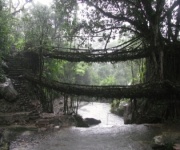
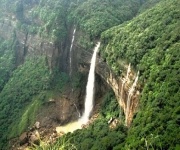
Mawkdok Dympep works best as the first scenic pause on a full Sohra excursion. After the viewpoint, travelers often continue toward attractions such as Nohkalikai Falls, Mawsmai Cave, Seven Sisters Falls, Arwah Cave or forest areas containing living root bridges. The best combination depends on available time, weather and walking ability.
A short day trip can include the viewpoint and a few major attractions, but trying to cover every famous site may make the journey tiring. Roads are scenic yet winding, and rain can slow travel. A two- or three-night stay around Cherrapunji gives you more flexibility to separate waterfalls, caves and village or nature experiences across different days.
Ask your driver or tour operator to group attractions by direction where possible. This reduces backtracking and creates more time for actual sightseeing. It is also sensible to keep one flexible stop in reserve because a waterfall may be obscured by cloud, a trail may be wet or a cave visit may take longer than expected.
A local guide can add context about Khasi geography, traditional pathways and the meaning of nearby places. Guides are particularly helpful when your trip extends beyond the main road to village trails or living root bridges. Their knowledge can make the landscape feel less like a series of photo stops and more like a connected cultural region.
Recommendations for a comfortable visit
- Start early when traveling from Shillong, especially during busy seasons or periods of heavy rain.
- Keep the viewpoint visit flexible rather than expecting a guaranteed clear panorama.
- Wear secure walking shoes and carry a waterproof outer layer throughout the year.
- Combine the stop with nearby Sohra attractions, but leave enough time for road conditions and short walks.
- Follow marked areas, respect local surroundings and take every piece of litter back with you.
A thoughtful schedule turns this simple roadside stop into a memorable part of a Meghalaya holiday. Give yourself time to notice the clouds, hills and changing light instead of measuring the visit only by the number of photographs taken.
Make Mawkdok part of your Sohra holiday
Include Mawkdok Dympep Valley Viewpoint at the beginning of your Cherrapunji route, then continue through the waterfalls, caves and living root bridge experiences that make Sohra distinctive. With suitable clothing, a flexible itinerary and dependable local transport, the viewpoint becomes an easy and rewarding highlight of the journey.
Explore the available Cherrapunji vacation packages and arrange a route that matches your travel dates, preferred attractions and time in Meghalaya. Contact India Beacons Sojourn through Cherrapunjee.net to plan the drive from Shillong, select suitable accommodation and reserve a sightseeing experience that lets you enjoy the valley without rushing.