





How to Experience Cherrapunjee’s Monsoon Magic Safely
Rain transforms Cherrapunjee, also known as Sohra or Cherrapunji, into one of Meghalaya’s most dramatic landscapes. Clouds drift across forested ridges, waterfalls surge over cliffs, and the Khasi Hills glow in shades of green that are difficult to find anywhere else. The monsoon is not simply a season here; it shapes the rhythm, scenery, roads, and daily life of the region.
The same weather that creates this spectacle can make travel demanding. Heavy showers may reduce visibility, trigger slippery paths, swell streams, and cause temporary delays on mountain roads. A rewarding trip depends on respecting those conditions rather than trying to overcome them through a rushed itinerary.
With sensible planning, suitable clothing, reliable local guidance, and enough flexibility, visitors can enjoy waterfalls, caves, viewpoints, forests, and living root bridges while keeping the experience comfortable and responsible.
Choose the right monsoon experience
The wet season generally brings the most impressive water flow to Cherrapunjee, although rainfall varies from day to day. Some mornings begin beneath low cloud and mist, followed by a few hours of clearer weather before another shower arrives. This changing atmosphere creates excellent conditions for photography, but it also means that a fixed schedule can quickly become impractical.
Plan a journey of at least two or three nights if possible. Longer stays provide room to move an outdoor activity when rain is intense and increase the likelihood of seeing viewpoints through breaks in the cloud. A multi-day Meghalaya holiday can combine Sohra with nearby attractions instead of placing all expectations on one waterfall or one sunrise.
Families and first-time visitors may prefer a relaxed route with shorter walks, accessible viewpoints, and comfortable accommodation. A carefully paced family-friendly itinerary can help balance sightseeing with rest, especially when wet-weather travel makes every transfer take longer.
Travel prepared for mountain weather
Waterproof outerwear is more useful than a standard umbrella on exposed trails. Pack a lightweight rain jacket or poncho, quick-drying trousers, moisture-wicking layers, and an extra change of clothes in a sealed bag. A compact umbrella can help in town, but strong wind and narrow paths often make it awkward near waterfalls.
Footwear deserves particular attention. Choose shoes with firm grip, ankle support, and materials that dry reasonably quickly. Avoid smooth-soled trainers, sandals without secure straps, and brand-new footwear that has not been tested. Carry spare socks, because wet feet can lead to blisters and discomfort during a long day of walking.
Protect electronics with dry bags or double plastic pouches, and keep documents, cash, medication, and power banks in waterproof compartments. A headlamp is useful if rain delays a return, while insect repellent, sunscreen, reusable water bottles, and basic first-aid supplies belong in every day bag. Mobile coverage can be inconsistent, so save maps, booking details, emergency contacts, and accommodation information offline.
Move carefully around waterfalls and trails
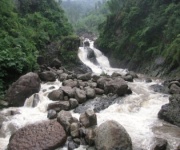
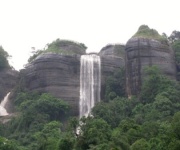
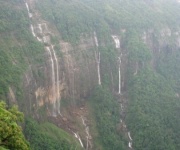
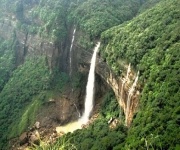
Waterfalls such as Nohkalikai, Seven Sisters, Wei Sawdong, and Dainthlen are especially powerful during the rainy months. Their viewpoints can become wet from spray, and the surrounding rocks may be slick even when a path appears broad and easy. Stay behind railings and designated barriers, and never climb onto wet ledges for a closer photograph.
A waterfall stream can rise rapidly after rainfall upstream. Do not cross a flooded path or step into a current simply because the water looked shallow earlier in the day. Local guides, site staff, and drivers understand changes in weather and water levels; take their warnings seriously and accept a change of plan when conditions become unsafe.
Cave visits require comparable care. Meghalaya’s caves may have uneven floors, low ceilings, mud, pools, and limited light. Use an approved guide where required, wear shoes with traction, and avoid entering during severe rain when streams inside can become hazardous. Keep groups together and let someone at your accommodation know the day’s route.
Plan road journeys with flexibility
The roads between Shillong, Sohra, villages, viewpoints, and waterfalls wind through steep terrain. Rain can create muddy sections, fallen branches, potholes, and short-term landslides. Depart early for popular attractions, allow extra travel time, and avoid arranging several distant stops in a single afternoon.
A local driver familiar with the route can make a major difference during the monsoon. Drivers know which roads are prone to waterlogging, where visibility deteriorates, and when a detour is safer than waiting. Confirm whether transport is included in a package and clarify pickup times before setting out, especially when travelling beyond the main town.
Do not pressure a driver to continue through heavy fog, standing water, or a blocked road. It is better to miss one viewpoint than to turn a holiday into a risky recovery operation. Check local weather and road updates each morning, and keep accommodation staff informed if your return is delayed.
| Travel situation | Safer approach | What to avoid |
|---|---|---|
| Heavy rain at a waterfall | Wait in a safe viewing area and follow staff instructions | Standing near edges or crossing barriers |
| Muddy hiking trail | Use grippy footwear and walk with a guide | Running, rushing, or wearing smooth soles |
| Swollen stream | Turn back and choose another attraction | Testing the current on foot |
| Foggy mountain road | Travel slowly with an experienced local driver | Overtaking or insisting on a tight schedule |
| Wet electronic equipment | Store devices in dry bags before leaving | Keeping phones exposed for photographs |
| Delayed outdoor activity | Use a flexible itinerary with indoor or nearby alternatives | Treating the original timetable as fixed |
Respect local places and communities
Sohra’s landscape is tied closely to Khasi culture, village life, and community-managed natural sites. Ask before photographing residents, homes, ceremonies, or local workers. Dress modestly when visiting villages, churches, sacred groves, and cultural sites, and follow signs about restricted areas.
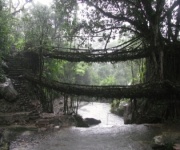
Living root bridges are remarkable examples of traditional ecological knowledge. Their roots are trained and maintained over many years, making the structures both cultural landmarks and living parts of the forest. Cross them carefully, follow local instructions, and avoid climbing, swinging, or leaving marks. During rain, steps can be exceptionally slippery and the route may involve a demanding descent and return climb.
Carry rubbish back with you, including snack wrappers, tissues, and disposable rain covers. Choose refillable bottles where safe drinking water is available, and avoid single-use plastic whenever practical. Do not disturb plants, insects, cave formations, or wildlife for photographs. Responsible behaviour helps protect the very places that draw visitors to Meghalaya.
Build safety into each day
Start by checking the forecast, road conditions, and the opening status of the places you intend to visit. A clear morning can be the best opportunity for a viewpoint or trail, while a rainy afternoon may suit a café, local market, museum, or a shorter stop close to town. Keep one flexible day in a longer holiday for weather-related changes.
Eat and hydrate regularly, even when cool rain reduces your sense of thirst. Carry simple snacks for walks, and use treated or bottled water when the source is uncertain. People with asthma, mobility concerns, heart conditions, or injuries should discuss demanding hikes with a doctor before travelling and choose routes that match their ability.
A basic safety routine helps every group:
- Share your daily route and expected return time with your driver or accommodation.
- Keep emergency numbers, identification, insurance details, and medicines in waterproof storage.
- Walk slowly on wet stone steps, using handrails where available.
- Stay together on forest, cave, and village routes rather than separating for photographs.
- Follow instructions from guides, site staff, and local authorities when weather changes.
Children should remain within close reach near viewpoints, streams, steep steps, and cave entrances. Older travellers may enjoy the scenery more with frequent breaks and a walking stick for additional stability. Safety does not require avoiding adventure; it means matching each activity to the day’s conditions and the group’s energy.
Pack for comfort after the rain
Accommodation in Cherrapunjee ranges from resorts and hotels to homestays, and facilities differ by property. Confirm whether your room has reliable hot water, heating or warm bedding, drying space, power backup, and a place to store wet shoes and jackets. A comfortable base makes a noticeable difference when clothing cannot dry quickly.
Keep one complete dry outfit protected for the evening and travel home. Microfibre towels, waterproof footwear bags, quick-dry clothing, and a small clothesline can be useful in a damp climate. A thermos or insulated bottle is welcome after a cool walk, while a universal adapter and power bank help during interruptions to electricity.
Do not overpack bulky clothing. Several light layers are easier to dry and adapt to changing temperatures than one heavy garment. A waterproof daypack cover, lens cloth, and silica gel packets can protect cameras and phones while still allowing you to enjoy the rain without constantly worrying about your equipment.
Let local guidance shape the journey
The strongest monsoon memories often come from moments that cannot be scheduled: a waterfall appearing through mist, a sudden break in the clouds, or the sound of rain across a forest canopy. Leave space for these experiences rather than racing between attractions. A slower itinerary also supports local businesses and gives visitors time to learn about Khasi history and customs.
Tour operators and local guides can advise on seasonal access, trail difficulty, permissions, transport, and realistic sightseeing times. Before booking, discuss the group’s ages, fitness levels, preferred attractions, and tolerance for long drives or walks. Ask how the operator handles road closures, cancelled activities, and significant weather disruptions.
With the right preparation, Cherrapunjee’s monsoon becomes an invitation to explore thoughtfully. Review your route, reserve suitable accommodation and transport, pack for wet conditions, and arrange a flexible Sohra holiday with experienced local support. Then step into the rain ready to experience Meghalaya’s waterfalls, forests, caves, and living root bridges safely and respectfully.