





Altitude and humidity guidance for Cherrapunjee
Planning a trip to Cherrapunjee, also called Sohra, means preparing for two deceptively different conditions: cooler, lower-pressure air in the Meghalaya hills and dense monsoon moisture. The town stands at roughly 1,500 metres, high enough for some guests to notice exertion but far below the elevations where altitude sickness is common. Most discomfort comes from activity, damp clothing, poor sleep or an underlying health condition rather than elevation alone.
If your main concern is how to handle altitude and humidity changes in Cherrapunjee, treat the first day as an adjustment period. Keep activity easy, eat normally, sleep well and carry weatherproof layers. Allow extra travel time for monsoon roads, choose accommodation with reliable hot water and somewhere to dry clothes, and leave room in the itinerary for weather delays without trying to complete every attraction on schedule.
Why elevation can surprise you
At about 1,500 metres, each breath contains the same proportion of oxygen but slightly less reaches the blood because atmospheric pressure is lower. A healthy visitor spending several minutes walking uphill may feel winded, particularly when the air is humid or the walk follows a poor night’s sleep. This is usually ordinary exertion rather than a sign of altitude sickness.
Acute mountain sickness is uncommon at this elevation and is more typical above approximately 2,400 metres. Nevertheless, headache, nausea, dizziness, unusual fatigue and disturbed sleep deserve attention. Rest, drink according to thirst and avoid alcohol can help. Symptoms that continue despite rest or become progressively worse are a reason to obtain medical advice before attempting another steep attraction.
Anyone with asthma, COPD, significant heart disease, severe anaemia or a recent respiratory infection should consult their clinician before travelling. Bring an action plan and enough medication for delays. Severe breathlessness at rest, confusion, inability to walk straight, repeated vomiting or chest pain requires urgent assessment and, where possible, descent toward lower ground while medical help is arranged.
Understanding rain, mist and humidity
Cherrapunjee is among India’s wettest places, especially during and after the southwest monsoon. Rain and humidity overlap but are not identical: drizzle can soak clothing while fog, wet ground and wind remove body heat even when temperatures are mild. Humidity also makes sweat evaporate less efficiently, so a moderate walk can feel more tiring than it would on a dry day.
Prepare for water arriving from every direction with an umbrella, backpack cover, waterproof dry bag and footwear with dependable grip. Choose quick-drying layers instead of heavy cotton, carry a warm mid-layer for cool caves, and protect passports, medication and electronics in sealed pouches. Keep one complete dry outfit in your room because damp shoes and socks are a common source of blisters, cold feet and lost sightseeing time.
Visibility can collapse quickly during heavy rain, and thunderstorms make exposed trails and viewpoints unsafe. For practical advice, the site’s monsoon safety guide explains how seasonal access changes and why streams can swell after the rain has stopped. Never wade through a waterfall or cross a swollen stream; moving water may hide deep channels and carry debris.
A gentle first-day routine
On arrival, give your body time to settle instead of beginning with the longest walk. Drink regularly according to thirst, include normal meals and avoid heavy alcohol. A gentle stroll around your resort is enough on day one. Save strenuous caves, steep paths and long photographic walks until you have slept and noticed how you feel.
Keep each day unhurried by adding regular rest stops, especially between a viewpoint, a market stop and a late meal. Humidity can make a moderate walk feel harder, and tired visitors sometimes misread that sensation as altitude. If you feel worse while resting, stop climbing, check that you have eaten and seek medical support instead of treating a landmark as a target.
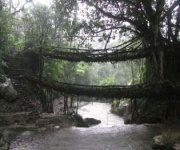
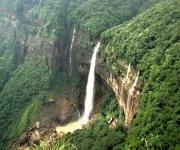
A flexible plan separates inconvenient rain from genuinely dangerous weather. Caves, a relaxed café stop and short village walks can fill a wet morning, while viewpoints and living root bridges are better scheduled for clearer hours. Ask resort staff about trail and waterfall conditions, and never approach a cascade or stream whose water is high because runoff can be far more powerful than it appears.
Food, medicine and Australian travel habits
Australian travellers usually arrive from cities such as Sydney, Melbourne or Brisbane, all close to sea level. Brisbane residents may already be familiar with heavy humidity, but Cherrapunjee combines it with cooler cloud-filtered light and a sharper elevation change. Forecasts for Guwahati and Shillong are useful too because rain systems can reach the plains and hills at different times.
Preparation fits everyday Australian shopping habits. In Australian supermarkets, broad-spectrum SPF 50+ sunscreen, electrolyte powders and insect repellent are common shelf items, so buy them before departure if you prefer particular brands. Keep repeat medicines in their original manufacturer packaging, as many Australian pharmacies supply them that way. Acetazolamide is prescription-only under Australian medicines rules; discuss any use with a GP and obtain a doctor’s letter rather than self-medicating.
Road and medicine rules deserve attention. India and Australia both use left-hand traffic, which helps visiting drivers orient themselves, but monsoon surfaces, narrow roads and animals still require caution; a local driver is sensible during heavy rain. Keep medicines in labelled packaging with the prescription available and check India’s current personal-use import rules. At markets, use sealed drinking water and pharmacy-sourced oral rehydration salts, and choose food that has been cooked freshly and kept hot.
A practical wet-weather checklist
Use these lists as a compact packing and arrival plan, then adjust them for the season, length of stay and facilities at your accommodation. A homestay may dry clothes differently from a serviced hotel.
Pack for variable weather
- Quick-drying base layers and a light warm fleece
- Waterproof hooded jacket, backpack cover and dry bag
- Secure walking shoes with good grip plus a dry spare pair
- Wide-brim hat, SPF 50+ sunscreen and insect repellent
- Compact umbrella and a protected pouch for your phone
Settle in safely
- Eat a light meal before beginning a walk
- Keep the first outing slow and add seated rest breaks
- Carry water, medicines and a copy of your prescription
- Ask staff about trail, road and waterfall conditions
- Keep one itinerary day flexible for monsoon delays
The pattern of symptoms matters more than a single sensation. Use the following comparison to decide whether to rest, change layers or seek medical help, and do not use it to replace professional advice.
| What you notice | More likely explanation | Sensible response | Seek urgent help if |
|---|---|---|---|
| Winded after climbing, then settling within minutes | Exertion at 1,500 metres combined with humid air | Rest, slow down and reassess before the next climb | Breathlessness persists at rest or chest pain occurs |
| Headache and tiredness after a busy day | Dehydration, poor sleep or early travel fatigue | Pause, eat, drink normally and rest | Headache worsens with vomiting, confusion or unsteady walking |
| Cold hands, damp socks or persistent shivering | Wet clothing and wind cooling the body | Change into dry layers and warm gradually | Shivering does not stop or signs of hypothermia appear |
| Wheezing or a tight chest | Asthma or another respiratory trigger | Use the prescribed reliever and follow the asthma plan | Severe breathing difficulty, blue lips or poor response to reliever |
| General fatigue that improves after a night | Normal early adjustment | Keep activity light and protect sleep | Worsening weakness, fainting or breathlessness |
After a wet day, change out of damp clothing, dry your feet and skin folds and keep footwear ventilated. Avoid alcohol as a warming method. If you become cold and shaky, warm gradually with dry layers and warm fluids; confusion or persistent shivering requires prompt medical help.
Plan a package with local support
Cherrapunjee rewards a flexible itinerary. A two-night visit works for the central sights, while four to seven nights allow waterfalls, caves, parks and living root bridges to be arranged around changing weather. Choose a resort or hotel that confirms hot water, laundry or drying space, wet-season transport and access to a local guide.
Before departure, give the operator your flight details, group size and any mobility or dietary needs. Ask which roads remain accessible, how closures are communicated and what support is available if a guest falls ill. This is especially helpful when an Australian itinerary combines a flight with a road transfer from Guwahati or Baghelgaon, where delays can easily alter arrival times.
Have your dates, departure city and health or mobility requirements ready. Send them through the package enquiry page. Request an itinerary with sensible buffers for monsoon rain and local advice on daily conditions. With the right pace and reliable information, altitude adjustments and humid weather become manageable parts of the adventure rather than reasons to miss its highlights.