




How To Stay Comfortable Trekking In Cherrapunjee’s Humidity
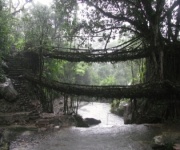
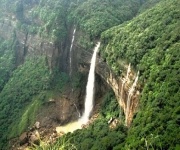
Cherrapunjee, also known as Sohra or Cherrapunji, is famous for dramatic rainfall, green valleys, waterfalls and living root bridges. That rain creates a trekking environment unlike the dry bush tracks familiar to many Australians. Even when the temperature feels mild, moisture in the air can make clothing cling, footwear stay wet and a moderate climb feel surprisingly demanding.
Good preparation makes the difference between enjoying Meghalaya’s forest paths and spending the day managing discomfort. With breathable clothing, sensible pacing, reliable hydration and a few humidity-specific habits, travellers from Sydney, Brisbane, Melbourne or Perth can adapt comfortably to the conditions around Sohra.
Understand The Climate Before You Walk
Humidity reduces how efficiently sweat evaporates from the skin. Your body may be working hard to cool itself, but the sweat remains on your arms, neck and back instead of disappearing into the air. This can make a short ascent feel heavier than a similar walk in the Australian bush, particularly when the route includes slippery steps, exposed rock or dense forest.
Cherrapunjee’s weather can change quickly. A bright start may become a wet afternoon, while mist can reduce visibility around viewpoints and ridgelines. Rainfall is especially significant during the monsoon months, although showers can occur outside the main wet season. Check the forecast before leaving and ask your guide or accommodation provider about trail conditions, stream crossings and recent slips.
The best approach is to plan around the weather rather than trying to defeat it. Early starts usually provide cooler conditions, fewer visitors and a better chance of reaching a viewpoint before cloud builds. If heavy rain is forecast, choose a shorter route or a waterfall viewpoint that does not require a long descent into a gorge.
Choose Clothing That Dries Quickly
Cotton T-shirts are familiar and comfortable in Australia, but they often stay wet for hours in Sohra. Lightweight synthetic or merino-blend tops move moisture away from the skin and dry more quickly when a breeze appears. A loose fit allows air to circulate, while long sleeves can protect against sun, insects, wet vegetation and minor scratches.
Pack a lightweight waterproof jacket with a hood, even if the morning looks clear. A rain shell is more useful than a thick winter jacket because it blocks showers without adding unnecessary insulation. Bring a spare top in a waterproof dry bag so you can change after a soaked section of trail. Separate wet and dry clothing rather than placing everything together in your main backpack.
Your lower half needs similar attention. Quick-drying hiking trousers or shorts are preferable to denim, which becomes heavy and uncomfortable when wet. Some visitors choose lightweight trekking leggings beneath loose trousers for protection from leeches and vegetation. A broad-brimmed hat remains useful between showers, while a small microfibre towel can remove sweat without taking up much space.
Protect Your Feet On Wet Trails
Footwear is one of the most important choices for trekking in Meghalaya. Look for shoes with a firm, well-maintained grip and enough room for your toes to spread naturally. Waterproof boots can help in persistent rain, but they may trap moisture inside if water enters over the ankle. For many routes, breathable hiking shoes with good traction are easier to manage.
Do not rely on smooth-soled trainers or casual sandals for steep paths. Rocks, roots and steps can become slick, especially near waterfalls and living root bridges. Test your footwear before the trip and avoid wearing brand-new boots on a demanding route. Blisters become more likely when damp socks rub against the skin, so carry at least one spare pair in a sealed bag.
A thin liner sock can reduce friction, while a thicker hiking sock provides cushioning and helps manage moisture. After a walk, remove insoles and dry them separately. Stuffing shoes with newspaper can help in accommodation rooms, but keep footwear away from direct high heat that could damage adhesives or distort the shape.
Humidity also affects small injuries. Clean a blister or scrape promptly, cover it with a waterproof dressing and keep an eye out for increasing redness. A compact first-aid kit should include blister pads, antiseptic wipes, personal medication, oral rehydration salts and any treatment recommended by your doctor.
Manage Water, Food And Energy
You may sweat more than you realise in humid weather, even when you are walking slowly. Drink regularly rather than waiting until your mouth feels dry. A reusable bottle or hydration reservoir is convenient, but carry enough water for the route and confirm where safe refills are available. Avoid assuming that a clear mountain stream is safe to drink without treatment.
Electrolytes can be helpful on longer walks or after repeated heavy sweating. Australian travellers may recognise the same approach from summer hikes around Brisbane, Darwin or the Blue Mountains: water is essential, but replacing salts can also support comfort and energy. Oral rehydration products are widely available through Australian pharmacies and supermarkets before departure, while local shops in Meghalaya may have a more limited selection.
Eat a small meal before setting out and carry easy-to-digest snacks such as bananas, nuts, biscuits or energy bars. High-fat meals can feel unpleasant in warm, damp conditions, while a combination of carbohydrates and a little protein can provide steadier energy. Take regular short breaks in shaded, airy places rather than stopping only when exhaustion arrives.
Look for warning signs of heat-related illness, including headache, dizziness, nausea, unusual weakness, confusion or a fast pulse. Stop, move to a cooler place, loosen restrictive clothing and sip fluids. If symptoms are severe or do not improve, seek medical help promptly. A guide should know the nearest road access and how to arrange assistance.
Adapt Your Trekking Routine
Australians often build outdoor routines around early-morning walks, and that habit works particularly well in Sohra. Leaving soon after breakfast helps you avoid the warmest part of the day and gives wet surfaces less time to become crowded. Move at a steady pace that allows conversation rather than treating every climb as a fitness test.
Use the rest-step approach on steep sections: take shorter strides, keep your breathing controlled and pause before your legs become exhausted. Humidity can make exertion feel sudden, so frequent brief breaks are more effective than one long stop after you are already overheated. Remove your backpack during longer rests and let air reach your back.
Choose trails that suit your current fitness and the weather. Routes involving the Nongriat living root bridge include many stairs and a substantial return climb. Waterfall walks may have slippery approaches and changing stream levels. Before committing, ask about the total time, elevation, surface, number of steps and availability of shelter. Treat local advice seriously, particularly during the monsoon.
For inspiration when planning a waterfall-focused day, the Seven Sisters Falls guide provides useful context about one of the region’s best-known natural sights. A route may look short on a map but still take longer because of mud, photo stops, rain and careful foot placement.
Pack For Australian Travel Realities
A practical packing list for travellers from Australia should include a dry bag or waterproof backpack liner, phone pouch, power bank, headlamp, insect repellent, sunscreen and a small rubbish bag. Keep your passport, cards and medication in double-sealed pouches. A quick-dry travel towel and spare socks are inexpensive additions that can make a damp day much easier.
Australians are accustomed to buying outdoor equipment from retailers such as Kathmandu and Anaconda, and basic moisture-managing clothing is also easy to find through large supermarkets and pharmacies. Compare fabric weight and drying time rather than choosing the heaviest “wet weather” item. You do not need a large expedition wardrobe for a guided holiday, but you do need reliable layers.
Everyday habits from home are useful here: apply sunscreen before leaving, refill water when safe facilities are available and keep a snack accessible rather than buried at the bottom of your pack. Be considerate with local water supplies and carry rubbish back to your accommodation. Trails, villages and sacred natural areas should be treated with the same care as protected places in Australia.
Check travel requirements well before departure. Australian passport holders generally need an appropriate Indian visa before travelling, and entry rules or regional permissions can change. Use official Indian government and Australian travel advice sources for current information rather than relying on an old forum post. Australia’s strict biosecurity legislation also means muddy footwear, soil, seeds and plant material should be cleaned and declared when required on your return. Travel insurance should cover trekking, wet-weather disruption and medical evacuation if the itinerary includes remote areas.
Cherrapunjee.net provides information about accommodation, attractions, practical arrangements and multi-day holiday packages ranging from two to seven nights. Allowing a rest period between demanding treks can help your body adapt to the climate and gives wet clothing and footwear time to dry. A local operator can also adjust the day’s plan when rain makes a particular trail unsafe.
Humidity becomes far easier to manage when it is treated as part of the destination rather than an unexpected inconvenience. Dress lightly, carry a dry change, protect your feet, replace fluids and let the local pace guide the day. With these habits, the wet forests and waterfalls of Sohra can be explored with comfort, energy and greater confidence.
For help arranging a Cherrapunjee holiday, contact India Beacons Sojourn through Cherrapunjee.net to discuss suitable tours, accommodation and trekking-friendly itineraries. Plan with the season, route difficulty and your preferred pace in mind, then set out ready to experience Meghalaya’s extraordinary landscapes.