





Getting from Shillong to Sohra by Local Bus
Travelling from Shillong to Sohra, also known as Cherrapunji, by local bus offers a low-cost way to reach Meghalaya’s famous waterfalls, caves and living root bridges. The journey is roughly fifty-five kilometres, but road conditions, weather and changing departure times mean it rarely follows the precise rhythm Australian travellers may expect from a city bus network.
The route climbs and descends through pine forests, villages and open escarpment country before reaching Sohra. It is a scenic trip, although the ride can be crowded and the timetable may be informal. Allow extra time, keep your day flexible and treat the bus as part of the experience rather than simply a transfer between two points.
For visitors arriving from Sydney, Melbourne, Brisbane or Perth, the main adjustment is learning how Meghalaya’s shared transport works. You may hear people refer to a bus, sumo or shared taxi interchangeably, even though each vehicle has different seating and operating patterns. A little preparation will make the trip much easier.
Where the Journey Begins in Shillong
Local services for Sohra generally operate from the Bara Bazaar and Mawlonghat transport area, with vehicles also using nearby stands depending on the day and operator. Shillong’s transport arrangements can change, so ask several people for the current Sohra departure point rather than relying on an old online map pin. Hotel staff, shopkeepers and drivers can usually direct you to the right stand.
Arrive early in the morning, particularly if you want to reach Sohra in time for Nohkalikai Falls, Mawsmai Cave or a village tour. Buses may leave when full or close to full, and the last useful departure can be earlier than expected. A shared sumo is often easier to find than a conventional bus, but it usually has less legroom and a more tightly packed cabin.
At the stand, say “Sohra” clearly and confirm the destination before boarding. Some travellers still use “Cherrapunji”, while “Sohra” is the official local name. Showing the destination written on your phone can help if pronunciation becomes difficult in a noisy bus station.
Understanding Fares, Tickets And Seating
Fares are generally paid in cash, either to a conductor or directly to the driver on smaller shared vehicles. Carry small Indian rupee notes and coins because change may not always be available. Australian bank cards and contactless payments are useful in hotels and larger businesses, but they should not be your only payment method for a rural transport day.
There may be no printed ticket, online reservation or numbered seat. In a standard bus, take an available seat and keep your bag close. If you use a sumo, the vehicle may depart once the seats are filled. Some passengers prefer the front for a clearer view and smoother ride, while others choose the middle to avoid the strongest movement on winding sections.
The fare should be agreed before departure if the arrangement is unclear. A short, polite check such as “How much to Sohra?” prevents confusion. Prices can change, and a shared taxi may cost more than a bus while saving considerable waiting time.
What The Road Trip Is Like
The road from Shillong to Sohra passes through changing landscapes, including forested stretches, open viewpoints and small settlements. The section around Mawkdok Dympep Valley is especially striking, with steep green slopes and broad valley views. Weather can shift quickly, so a sunny departure in Shillong does not guarantee a dry arrival in Sohra.
Traffic near Shillong can slow the first part of the trip, while rain may affect the speed around exposed bends. During the monsoon, water on the road, mist and reduced visibility are normal realities rather than unusual disruptions. The journey may take several hours once waiting time and stops are included.
Australian visitors used to the Bruce Highway, Great Ocean Road or regional coach services should expect a more active travel environment. Drivers may use the horn to signal their position, passengers may board with little ceremony, and roadside stops can be brief. Keep valuables secure and avoid standing near an open door while the vehicle is moving.
Practical Items To Carry
Pack for a full day away from Shillong, even if you intend to return that evening. Food options are available along the route and in Sohra, but a simple snack and water are useful when departure or arrival times shift. A light rain jacket is valuable in every season, especially for walks to waterfalls and bridges.
Wear shoes with reliable grip. Paths around Mawsmai, Arwah and Siju-style cave environments can be damp, while steps to viewpoints and falls may become slippery after rain. A small towel, sun protection and insect repellent also earn their place in a day bag.
Useful items for the ride include:
- Small rupee notes and coins for fares and snacks
- A charged phone with offline maps
- A reusable water bottle and compact rain jacket
- Comfortable walking shoes with firm soles
- A power bank and a photocopy of your identification
Keep passports, phones and cameras in a waterproof pouch during heavy rain. Large suitcases are awkward on local buses, so leave them at your Shillong accommodation or arrange luggage storage before setting out. A daypack is far more practical for this route.
Choosing A Return Plan
A same-day return is possible, but it needs careful timing. Sohra has enough attractions to fill a full day, and local transport back to Shillong may become less frequent later in the afternoon. Ask at your accommodation, restaurant or visitor stop about the final departures on the day you arrive.
If your main goal is a waterfall walk or a living root bridge, staying overnight in Sohra gives you a much more relaxed schedule. It also lets you start early, before popular viewpoints become busy. Cherrapunjee.net provides information about local accommodation and multi-night travel packages for visitors who prefer a planned stay rather than a rushed return.
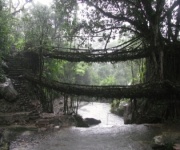
Before leaving Shillong, decide which experience matters most. Travellers who want an easy overview can visit a nearby viewpoint and one cave. Those planning Nongriat’s famous double-decker living root bridge should allow a separate day, as the steep walk and transport connections make it unsuitable for a quick stop between buses.
Stops And Sights Worth Planning
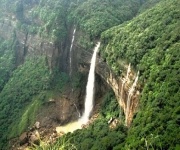
Sohra is spread across a wide area, so arriving in town does not place you immediately beside every attraction. Nohkalikai Falls, Seven Sisters Falls, Mawsmai Cave, Eco Park and the living root bridge areas require different local connections. A bus can get you to Sohra, but you may need a local taxi or organised sightseeing vehicle afterwards.
The Laitkynsew area is especially rewarding for travellers interested in village life and traditional living root bridges. Before choosing a route, read about Laitkynsew village so you understand the walking involved and can decide whether it fits your time and fitness level.
Do not assume every waterfall is visible in every season. Monsoon rain produces powerful flows and dramatic mist, while drier months can offer clearer paths and broader views. Local advice is useful because conditions at a trailhead can differ from those in central Sohra.
Staying Comfortable And Respectful
The local bus is shared public transport, not a sightseeing coach. Keep conversations at a moderate volume, avoid occupying extra seats with luggage and give priority seating to older passengers or people who need it. A friendly “thank you” and a calm attitude go a long way when the trip becomes crowded.
Dress modestly for villages and religious or community spaces. Ask before photographing residents, markets or private homes. Meghalaya’s communities have strong local identities, and visitors gain more from the journey when they treat villages as living places rather than backdrops for quick photographs.
Australian travellers often appreciate direct, practical communication, and that approach works well here when it remains courteous. “Could you please tell me where to get off?” is clearer than relying on a map screen. In everyday conversation, you may hear “arvo” and other familiar Australian expressions back home, but in Sohra simple English, gestures and a written destination are usually the most useful tools.
When comparing a local bus with a private transfer, consider the whole day’s value. A budget-conscious traveller may happily accept a slower ride, while a family travelling during Queensland or Victorian school holidays may prefer a reserved vehicle, fixed pickup and room for luggage. The best option depends on time, comfort and the number of sights you plan to cover.
A Simple Travel Checklist
Use this checklist before leaving your hotel:
- Confirm the current departure stand in Shillong
- Check the first practical bus or shared taxi option
- Carry cash in small denominations
- Download maps and save your accommodation details
- Pack rain protection, water and secure walking shoes
- Ask about return transport before starting a remote walk
Keep your day’s route realistic. Trying to combine every famous waterfall, cave, park and bridge with a public bus connection usually creates unnecessary stress. Choose two or three priorities, then leave room for traffic, weather and the occasional wait at a transport stand.
A local SIM or reliable mobile data can help, although coverage may weaken in valleys and rural sections. Write down the name and phone number of your accommodation in case your battery runs low. If the weather turns severe, postpone a long trail rather than treating an adventurous plan as a fixed obligation.
Sohra rewards travellers who slow down. The clouds, rain, roadside tea stalls and changing views are part of the journey, not interruptions to it. With sensible timing and the right expectations, the local bus becomes an affordable way to see how people move through Meghalaya.
Plan your Shillong arrival, Sohra accommodation and sightseeing connections through Cherrapunjee.net. For current package details, transport guidance and booking assistance from India Beacons Sojourn, contact the team before your trip and arrange a Cherrapunjee experience that matches your schedule.