





How to plan a memorable three-day Cherrapunjee itinerary
Cherrapunjee, also known as Sohra or Cherrapunji, is best experienced at a steady pace. The Meghalaya hill town is surrounded by dramatic escarpments, cloud-covered valleys, waterfalls, limestone caves, and villages connected by forest trails. A three-day trip gives you enough time to see its signature landscapes without turning every day into a race between attractions. Learn more about Why Cherrapunjee Is Called The Wettest Place On Earth.
The most practical plan is to use Sohra as your base and arrange sightseeing by location. Keep the first day for viewpoints and nearby waterfalls, reserve the second for a more active excursion to a living root bridge, and use the final day for caves, villages, or a longer drive towards Mawlynnong and Dawki. Your ideal route will depend on your arrival point, fitness, weather, and whether you prefer nature walks or sightseeing by car.
Shillong is the usual gateway. The drive to Sohra takes roughly two to three hours, depending on traffic, road conditions, and stops. If you land or arrive in Shillong early, you can begin sightseeing on the way to Cherrapunjee; if you reach late, check into your resort and start fresh the next morning.
Choose the right base and travel window
Staying in or near Sohra reduces daily driving and makes it easier to reach the main waterfalls and caves before larger groups arrive. Resorts and homestays are available around Cherrapunjee, with choices ranging from comfortable properties to simple village accommodation. Reserve ahead during holidays, monsoon weekends, and the October-to-April travel season, when demand can be high.
The weather changes quickly. June through September brings the heaviest rain, powerful waterfalls, mist, and lush scenery, but trails may be slippery and some viewpoints can disappear behind cloud. October to November often offers fresh greenery and clearer skies, while December to February is cooler and generally more comfortable for walking. March to May can be pleasant for outdoor exploration, although showers remain possible.
Build flexibility into the schedule rather than treating every stop as fixed. A delayed departure, sudden rain, or a slow climb can affect the rest of the day. Comfortable walking shoes, a waterproof daypack, a light rain jacket, quick-drying clothes, water, snacks, sun protection, and a small first-aid kit are useful in every season.
Shape the first day around Sohra’s highlights
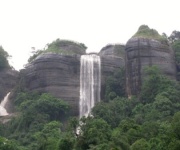
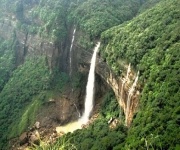
After arriving from Shillong, begin with the attractions closest to the main Sohra route. Nohkalikai Falls is an essential first stop, especially when recent rain has filled the plunge pool and strengthened the cascade. Viewing platforms provide broad perspectives of the waterfall and surrounding cliffs, but visibility can vary significantly in misty weather.
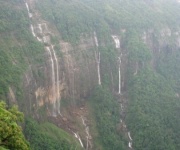
Continue to the Seven Sisters Falls viewpoint if conditions are clear. Several streams descend the forested escarpment in parallel, creating one of the region’s most recognisable scenes. The waterfall can be seasonal, so the scale of the display depends on recent rainfall. Nearby viewpoints are usually easy to combine with a first day that includes hotel check-in.
Mawsmai Cave offers a contrasting experience. Its short, accessible limestone passage includes narrow sections and uneven surfaces, so visitors should move carefully and avoid carrying bulky luggage. If time allows, add Arwah Cave for a quieter and more adventurous alternative. Arwah requires a walk through forest and is more atmospheric for travellers who enjoy a little effort before reaching a natural attraction.
Make the second day your active experience
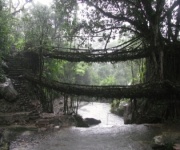
The trek to the Nongriat living root bridge is the most demanding and rewarding element of many Cherrapunjee holidays. The usual route begins near Tyrna and descends a long series of steps through dense vegetation. The bridge is formed from living tree roots guided and maintained over generations, making it both an engineering achievement and a living part of local culture.
Allow most of the day for the excursion. The return climb is considerably harder than the descent, particularly after rain, and the trail may be wet, muddy, or crowded. Start early, carry sufficient drinking water, and use shoes with reliable grip. A local guide can help with route details, village etiquette, and changing trail conditions. Travellers with limited mobility may prefer a viewpoint, waterfall, or shorter village walk instead.
The single-decker bridge is a worthwhile destination on its own, while the double-decker root bridge requires additional time and stamina. Do not try to fit both the full trek and several distant sightseeing stops into the same day. Returning to Sohra before dark gives you time to rest and enjoy a relaxed evening at your accommodation.
| Day | Main focus | Suggested stops | Pace and planning notes |
|---|---|---|---|
| Day 1 | Waterfalls and caves | Nohkalikai Falls, Seven Sisters Falls, Mawsmai Cave, Arwah Cave | Keep stops near Sohra and allow time for arrival |
| Day 2 | Forest and living heritage | Tyrna, Nongriat, living root bridge | Start early; reserve most of the day for the trek |
| Day 3 | Villages or a regional circuit | Mawlynnong, Dawki, Krang Suri, or a relaxed Sohra day | Choose one direction rather than overloading the route |
Decide how to use the final day
There are two sensible ways to spend the final day. The first is a regional excursion towards Mawlynnong and Dawki. Mawlynnong is known for village landscapes and community-led cleanliness initiatives, while Dawki lies near the Bangladesh border and is associated with the clear waters of the Umngot River. These places are attractive, but they are not quick add-ons to a short Sohra visit.
A drive combining Mawlynnong and Dawki can take much of the day, especially when roads are busy or weather slows traffic. Begin early and confirm current road and boating conditions before setting out. River activities may be restricted by season, water levels, local rules, or safety decisions, so treat boating as an option rather than the central promise of the itinerary.
The second option is a slower final day in and around Cherrapunjee. Revisit a favourite viewpoint in better light, explore a local market, visit a nearby waterfall, or spend extra time at a resort with valley views. This choice is especially useful if your return transfer to Shillong is scheduled for the afternoon or if rain made the first day incomplete.
Travellers extending their holiday can use a broader Meghalaya route rather than forcing every highlight into 72 hours. The extended seven-day package shows how a longer stay can include additional destinations and more comfortable travel intervals.
Keep the route realistic
Distances in Meghalaya can appear short on a map but take longer than expected because of winding hill roads, village traffic, construction, and frequent photo stops. A private vehicle with an experienced driver is generally the most convenient option for a three-day Cherrapunjee tour. It allows you to leave early, adjust the route, and carry wet clothing or walking equipment comfortably.
Public transport can work for independent travellers with more time, but it is less flexible for waterfalls spread across different roads. Taxis may be available for local journeys, though fares and availability should be clarified in advance. If you are booking a package, check whether transfers, sightseeing, driver charges, parking, entry fees, meals, and accommodation are included.
Avoid scheduling the most important attraction at the end of a tightly timed day. For example, placing the Nongriat trek immediately before an evening departure risks missing transport if the return climb takes longer. Likewise, a long Dawki circuit may be unsuitable when you have a fixed airport transfer from Shillong.
Before departure, review local access conditions and practical requirements. International visitors should carry valid travel documents and verify current visa and entry rules for India. Keep digital and printed copies of reservations, identification, emergency contacts, and insurance details. Mobile coverage may be inconsistent in valleys, so download maps and share your basic route with your accommodation.
Plan meals, money, and responsible visits
Food options are more limited in rural areas than in Shillong, particularly late in the evening. Ask your resort about breakfast timing and request packed meals for an early trek or long drive. Local Khasi dishes may include rice, pork, fish, seasonal vegetables, and fermented flavours, while hotels commonly serve familiar Indian and basic continental meals.
Carry some cash because small vendors, parking areas, guides, and rural facilities may not accept cards or digital payments consistently. Reusable bottles help reduce plastic waste, and snacks should remain in your bag until you find a suitable disposal point. Do not touch, climb on, or remove pieces from living root bridges, caves, or rock formations.
Respect village customs when walking through settlements. Ask before photographing residents, homes, or ceremonies, and follow instructions at sacred or environmentally sensitive sites. Staying with locally owned accommodation, hiring community guides, and buying regional products can help tourism benefit the people who maintain these landscapes.
A few preparation choices make the three days much easier:
- Start waterfall visits and the Nongriat trek early to avoid heat, crowds, and rushed returns.
- Keep one flexible block each day for rain, traffic, or a delayed transfer.
- Wear shoes suitable for wet steps, mud, uneven cave floors, and forest paths.
- Book accommodation and a reliable vehicle before travelling during busy periods.
- Choose either the Mawlynnong-Dawki circuit or a relaxed Sohra day instead of attempting both in limited time.
A well-planned Cherrapunjee itinerary should feel active without being exhausting. Focus on a small group of memorable places, allow enough time for the landscape to reveal itself, and let the weather guide the pace. For package availability, resort choices, transport arrangements, and a personalised Meghalaya holiday, contact India Beacons Sojourn through Cherrapunjee.net and organise your stay before setting out.