






Prepare your body for the Rainbow Falls trek
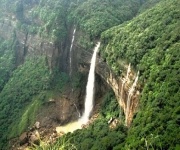
The trek to Rainbow Falls is one of the most rewarding experiences around Cherrapunjee, or Sohra, in Meghalaya. The route leads through forested hills, village paths, streams, and the famous Nongriat area before reaching a waterfall framed by dense greenery. Its beauty can make the journey look easy, but the trail demands steady effort.
Much of the challenge comes from repeated stair sections, uneven ground, humidity, and the return climb. The distance and duration vary according to your route, pace, weather, and time spent at the falls. Many visitors combine Rainbow Falls with the Double-Decker Living Root Bridge, making the day longer than a simple walk to a viewpoint.
Good preparation does not require athletic performance. It requires consistent walking, stronger legs, comfortable balance, and enough endurance to remain safe when the trail becomes wet or tiring. Start several weeks ahead and treat the trek as a full-day physical outing rather than a short sightseeing stop.
Understand the demands of the trail
The route commonly begins near Tyrna and descends through a long series of stone steps toward Nongriat. After reaching the living root bridge area, trekkers continue across forest paths and uneven sections toward Rainbow Falls. The descent may feel manageable at first, but every downward step becomes part of the return ascent.
A typical visit can involve several hours of walking, with additional time for photographs, rest, swimming conditions, and delays on slippery sections. The trail includes steps of different heights, exposed roots, rocks, narrow passages, and stream crossings. Strong knees and ankles are useful because the ground rarely feels as predictable as a paved path.
Humidity can increase the perceived effort even when the temperature is moderate. Sweat loss may be significant, and wet clothing can cause chafing or discomfort. If you have rarely walked on hills, begin conditioning before your Meghalaya holiday instead of relying on sightseeing days to build fitness.
Build endurance with stairs and hills
The most effective preparation is regular walking on an incline. Begin with 30 to 40 minutes of brisk walking three or four times a week. Add stairs, a treadmill incline, local hills, or a step platform to imitate the repeated climbing and descending found on the trail.
Increase duration gradually rather than doubling your distance in a single week. During the final two weeks before travel, aim for one longer session each week, such as 90 minutes to two hours of mixed walking and stairs. Include short breaks, since the trek allows you to pause at viewpoints and shaded areas rather than moving continuously.
Downhill practice deserves equal attention. Descending stairs places considerable load on the quadriceps and knees, and this is where many trekkers begin to feel soreness. Walk down controlled slopes or staircases with a relaxed pace, keeping your steps short and avoiding the habit of dropping heavily onto each foot.
Strengthen the muscles that protect your joints
A simple strength routine can improve stability and make the return climb less exhausting. Train two or three times weekly, leaving at least one recovery day between demanding sessions. Body-weight exercises are enough for most travellers when performed consistently and with good form.
Useful movements include squats, reverse lunges, step-ups, calf raises, glute bridges, and controlled step-downs. Begin with two sets of 10 to 15 repetitions, then add a third set or light resistance as the exercises become easier. Step-ups are especially practical because they resemble the repeated stair action of the Cherrapunjee trail.
Core and balance work can help on wet roots and uneven rocks. Try planks, side planks, single-leg stands, and slow heel-to-toe walking. If you experience persistent knee, ankle, hip, or back pain, reduce the workload and consult a qualified medical professional before attempting a demanding hike.
Prepare for wet ground and uneven footing
Physical readiness includes learning how to move safely. On a muddy or slick section, shorten your stride and place your whole foot carefully instead of rushing. Keep your knees slightly bent, use your arms for balance, and look several steps ahead. Trekking poles can reduce strain during descents, especially for travellers who are uncertain on stairs.
Wear broken-in hiking shoes with a firm, grippy sole. New footwear can produce blisters before you reach the waterfall, while smooth soles offer little confidence on wet stone. Test your shoes on stairs, slopes, and damp ground before the journey. Pack spare socks in a waterproof pouch and change them if your feet remain wet for a long period.
The trail may feel cooler near streams, yet the approach can be hot and humid. Lightweight, quick-drying clothing is more practical than heavy cotton. A hat, sunscreen, and insect repellent can improve comfort, while a small towel helps manage sweat. A compact rain layer is valuable because showers can arrive quickly in the hills.
Match your training to the length of your day
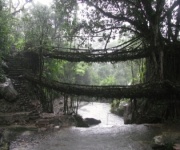
Your conditioning should reflect the itinerary you plan to follow. Travellers visiting the falls after exploring the Double-Decker Living Root Bridge need more endurance than those taking a shorter local walk. Learning about the heritage and setting of that route through the Double-Decker Bridge story can help you understand why the journey is often treated as a major day excursion.
Use the following guide as a practical benchmark. It is not a strict fitness test, since weather, pack weight, trail conditions, and individual pace can change the experience.
| Preparation area | Practical target before departure | Why it helps |
|---|---|---|
| Regular walking | 30–45 minutes, three or four times weekly | Builds basic cardiovascular endurance |
| Stair or hill training | Two sessions weekly, gradually reaching 30–45 minutes | Familiarises the legs with repeated climbs |
| Longer practice outing | One 90-minute to two-hour session weekly | Tests pacing, footwear, hydration, and snacks |
| Lower-body strength | Squats, lunges, step-ups, and calf raises two or three times weekly | Supports knees, hips, calves, and ankles |
| Balance and mobility | 10 minutes most days | Improves control on roots, rocks, and wet steps |
| Recovery | At least one easy or rest day each week | Reduces the risk of arriving with sore muscles |
Avoid scheduling your hardest workout on the day before the trek. Two or three lighter days, with gentle walking and mobility exercises, will leave your legs fresher. The aim is to arrive capable and comfortable, not fatigued from last-minute training.
Practise pacing, hydration, and recovery
Pacing is a physical skill that can determine whether the final stretch feels manageable. Start slowly, especially during the descent, and avoid racing ahead while your legs are fresh. Keep a rhythm that allows you to speak in short sentences without gasping. Stop briefly before you become exhausted rather than waiting until your legs shake.
Carry enough water for the planned route and refill only where your guide or local authority confirms that the source is safe. An electrolyte drink or oral rehydration solution can be useful in hot, humid conditions, particularly if you sweat heavily. Eat a small breakfast containing carbohydrates and protein, then carry compact snacks such as bananas, nuts, energy bars, or sandwiches.
Recovery begins as soon as you finish. Walk gently for a few minutes instead of sitting down immediately, then stretch the calves, thighs, hips, and lower back without forcing the joints. Rehydrate, eat a proper meal, and elevate sore legs if needed. Mild muscle fatigue is normal; sharp pain, severe swelling, dizziness, or ongoing weakness calls for medical attention and a change of plans.
Plan for safety beyond fitness
Fitness cannot remove every risk from a monsoon landscape. Check the local weather before leaving, listen to guides and local instructions, and allow enough daylight for the return journey. Rain can transform stone steps and stream crossings, while high water may make some areas unsuitable for swimming or passage.
Keep your backpack light. Carry water, food, a phone in a waterproof pouch, a small first-aid kit, personal medication, tissues, sunscreen, insect repellent, and a rain cover. Pack valuables sparingly, since carrying unnecessary weight increases fatigue on the climb back. A walking pole, blister plasters, and a spare layer can be more useful than extra clothing or camera equipment.
Travellers with asthma, heart conditions, diabetes, joint problems, or a history of fainting should discuss the route with a healthcare professional and carry required medication. Do not ignore chest pain, unusual breathlessness, confusion, or a feeling that you may collapse. Tell your guide or companions early when you need a break, and never separate from the group without a clear plan.
Use these preparation habits before you travel
A balanced routine is easier to follow than an intense programme that leaves you injured. Keep your focus on regular practice, controlled movement, and learning how your body responds to hills, stairs, heat, and a daypack.
- Walk or train on inclines three to four times each week.
- Perform step-ups, squats, lunges, calf raises, and balance exercises regularly.
- Test your hiking shoes, socks, backpack, and water system before departure.
- Complete at least one longer practice walk while carrying a light daypack.
- Schedule rest and easy movement during the final days before the trek.
The day before the hike, prepare your clothing and supplies so that you can start without rushing. Eat familiar foods, sleep as well as possible, and avoid an unusually hard workout. On the trail, let the slowest member of the group set a safe pace, particularly on slippery descents and narrow paths.
With steady conditioning, practical footwear, and sensible pacing, the Rainbow Falls route becomes far more enjoyable. You can give your attention to the forest, village life, living root bridges, and changing sound of the water instead of struggling through every step. Begin preparing several weeks before your Meghalaya trip, then arrange your Cherrapunjee tour with India Beacons Sojourn so the itinerary, local guidance, and trek timing support a rewarding day in the hills.