





How to reach Cherrapunjee by road from Shillong
The road from Shillong to Cherrapunjee, also known as Sohra or Cherrapunji, is one of Meghalaya’s most rewarding journeys. It crosses green hills, misty ridges, deep valleys and villages surrounded by subtropical forest. The distance is roughly Fifty-five kilometres, although the trip commonly takes between two and three hours because of bends, traffic, weather and scenic stops.
For travellers from Australia, the journey feels quite different from a typical drive between Sydney and the Blue Mountains or Brisbane and the Sunshine Coast. Roads are narrower, traffic moves at a slower rhythm, and local taxis are often more practical than self-drive hire cars. The route is easy to arrange, but a little planning makes the day more comfortable.
Shillong is the usual starting point for visitors staying in Meghalaya’s capital. You can travel by private car, hire a local taxi for the day, or use a shared sumo or other shared vehicle. Public transport is inexpensive, though departure times may depend on demand rather than a fixed timetable. A private vehicle gives you greater freedom to stop at viewpoints and waterfalls.
Sohra is a destination where the weather can change quickly. The same road may be sunny in Shillong and wrapped in cloud closer to the plateau. Pack light rainwear, wear shoes with good grip and allow extra time if travelling during the monsoon. The road journey is part of the experience, rather than simply a transfer between two places.
Choosing the best way to travel
A private taxi is usually the most convenient option for visitors who want to explore attractions along the way. Local drivers know the roads, viewpoints and parking areas, and they can adjust the itinerary when rain or traffic changes the timing. A full-day vehicle is especially useful if you plan to visit Mawkdok Dympep Valley, Nohkalikai Falls, Seven Sisters Falls or nearby caves.
When booking, clarify whether the price covers a one-way trip, a return journey, sightseeing stops, parking charges and driver allowances. Some vehicles are quoted for transport only, while others are arranged as a complete sightseeing package. Ask for the vehicle type as well, particularly if you are travelling with large suitcases or a group of four or more.
Shared taxis and sumos are the budget choice. They generally leave from busy transport points in Shillong, including areas around Police Bazaar, Anjali Point and other local taxi stands. The exact location and schedule can change, so check locally on the day before travelling. Shared vehicles may wait until enough passengers are ready and usually provide less room for luggage.
Self-drive travel requires more confidence than many Australian visitors expect. India drives on the left, as Australia does, but road behaviour, overtaking and pedestrian movement are less predictable. A local driver removes the stress of navigating unfamiliar bends and allows everyone to enjoy the landscape. International visitors should also confirm that their licence, international driving permit and insurance meet Indian legal requirements before hiring a car.
The route from Shillong to Sohra
The drive leaves Shillong through increasingly rural surroundings before climbing and descending across the Khasi Hills. Depending on the chosen route and traffic, you may pass through settlements such as Mylliem and Mawngap before reaching the open landscapes around Sohra. Shops, roadside stalls, churches, homes and small farms appear along the way, giving the journey a strong sense of everyday Meghalaya.
The famous Mawkdok Dympep Valley viewpoint is one of the first major highlights for many travellers. From the lookout, steep green slopes fall away into a dramatic valley, and the changing cloud creates a different scene every few minutes. There are usually small stalls nearby where you can buy tea, snacks or locally produced items. Keep cash in Indian rupees because card facilities may be unavailable.
Road conditions vary according to season and maintenance. In the wet months, heavy rain can create slippery sections, reduced visibility and temporary delays. Landslips or fallen rocks may occasionally affect travel, so a driver who follows local updates is valuable. During dry periods, the road is generally easier, but dust, parked vehicles and tourist traffic can still slow the journey.
Allow at least half a day if you want to stop frequently. Travellers who leave Shillong after breakfast can reach Sohra around lunchtime, but a direct trip may be faster than a sightseeing route. Avoid treating online map estimates as exact arrival times. Australian travellers used to Google Maps predicting a precise drive between Canberra and the coast should build in a generous buffer here.
Stops worth adding along the way
Some travellers make a short stop at Elephant Falls near Shillong before beginning the main drive, particularly if it is their first visit to the area. The waterfall is reached by a stairway and can be busy during weekends and Indian public holidays. Comfortable footwear is helpful, and the steps may be wet even outside the monsoon.
Mawkdok Dympep Valley is the most natural roadside viewpoint, while Duwan Sing Syiem Bridge and nearby valley lookouts may also be included in a private-car itinerary. These stops are scenic rather than lengthy attractions, so ten to thirty minutes at each is often enough. Keep valuables with you and follow local instructions around railings and steep edges.
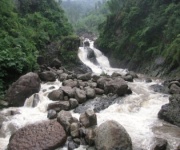
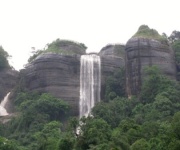
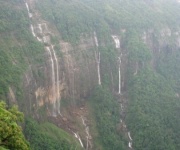
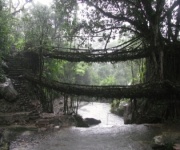
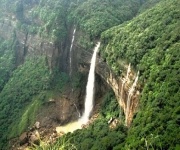
Closer to Sohra, visitors can choose from a wide range of waterfalls, caves, forest trails and living root bridges. Nohkalikai Falls is among the most recognisable sights, while Seven Sisters Falls is particularly impressive after rainfall. Water flow can be much lower in the drier season, so expectations should match the weather. Some attractions require a walk over uneven ground and may have separate entry or parking fees.
A longer stay gives you time to explore without rushing from one stop to another. The weekend Cherrapunjee itinerary is useful for shaping a short visit around the area’s waterfalls, viewpoints and local experiences. It is often better to select two or three major attractions than to spend the entire day travelling between every location.
Timing, weather and road safety
The most comfortable departure time is generally early morning. Leaving Shillong soon after breakfast gives you better daylight, more time for stops and a stronger chance of reaching popular attractions before the busiest period. Saturdays, Sundays and Indian holidays can bring heavy visitor numbers, especially at famous waterfalls and viewpoints.
The monsoon can transform the landscape into a vivid green spectacle, but it also brings the most difficult driving conditions. Rain may be intense, clouds can reduce visibility and paths around waterfalls become slippery. A waterproof jacket, dry bag and spare socks are worthwhile. Australians travelling during the wet season should think of it as more demanding than a Queensland summer shower, particularly on exposed hill roads.
Carry drinking water and small snacks, though local tea stalls and simple eateries are common. Restaurants may serve Khasi, Indian, Chinese-inspired and basic continental meals, but choices can be limited outside town centres. Australians are accustomed to tap-and-go payments in Melbourne or Perth; in rural Meghalaya, cash remains important even where mobile payment services are visible.
Avoid rushing the driver or asking for unsafe overtaking. Seat belts should be used wherever fitted, and children should be properly seated. At viewpoints, remain behind barriers and take care near cliff edges, particularly when fog makes distances difficult to judge. Traffic moves around cattle, pedestrians, motorbikes and parked vehicles, so patience is part of safe travel.
Practical arrangements for Australian visitors
International travellers normally need an appropriate Indian visa before arrival. Australian passport holders should check the current Indian government or official visa service requirements, passport validity rules and permitted entry conditions well before departure. Visa policies and application procedures can change, and a tourist visa does not automatically cover every activity or length of stay.
Carry digital and printed copies of your passport, visa, accommodation details, travel insurance and emergency contacts. Australian travel insurance should cover road travel, medical care, cancellation and activities such as caving or trekking if those are included in your plans. Medicare does not cover ordinary medical treatment in India, so overseas cover is particularly important.
Mobile coverage is reasonable in Shillong and many populated areas but can weaken along valleys and rural stretches. Download offline maps and save your hotel’s address in English. A local Indian SIM or eSIM may be useful, although registration rules apply. Keep your phone charged with a power bank, especially when travelling beyond Shillong for a full day.
Respect local customs at villages, churches and community-managed attractions. Ask before photographing residents, guides or private property. Dress modestly for visits to religious or rural places, and remove shoes where requested. The Khasi Hills are home to distinctive communities and living traditions, so considerate behaviour matters as much as seeing the scenery.
Planning a comfortable Cherrapunjee stay
Sohra offers resorts, guesthouses and hotels in different settings, from simple town accommodation to peaceful properties surrounded by hills. Staying overnight is often preferable to returning to Shillong the same day, especially if you want to see waterfalls early or explore caves and living root bridges. Confirm whether your property includes meals, parking, heating and reliable hot water.
The plateau can feel cool and damp, particularly in the evening and during rain. Pack layers rather than relying on one heavy jacket. Quick-drying clothing, a compact umbrella, a waterproof phone pouch and sturdy walking shoes are practical additions. Australians travelling with hiking gear should keep luggage manageable because vehicle storage can be limited in shared taxis.
If you are arriving in Meghalaya through Guwahati, the airport is several hours from Shillong by road. The guide on reaching Cherrapunjee from Guwahati Airport explains how the wider transfer can be organised before or after your Shillong stay. Many visitors prefer to spend a night in Shillong first, making the journey to Sohra less tiring and allowing time to see the capital.
A two-night or longer package creates a better pace for the region. It can include Shillong sightseeing, the road to Sohra, waterfall visits, caves, village stops and time for weather-related changes. Tour operators familiar with Meghalaya can also help arrange local drivers, accommodation and practical timing, which is useful when transport schedules are flexible.
Useful planning checks
- Book a private taxi in advance if you want multiple scenic stops or are travelling during a weekend.
- Carry Indian rupees in small denominations for food, entry fees, parking and roadside purchases.
- Leave Shillong early and allow extra time for rain, traffic, roadworks and photography stops.
- Pack a waterproof layer, comfortable walking shoes, sun protection and a charged power bank.
- Confirm your Indian visa, travel insurance, accommodation and transport details before departure.
Arrange your Shillong-to-Sohra transfer with enough time for the road, the weather and the places that make the journey memorable. Cherrapunjee.net offers multi-day tours and holiday packages through India Beacons Sojourn, helping travellers combine transport, accommodation and local sightseeing across Meghalaya. Use the site’s booking contact details to organise a route that suits your travel dates and the length of your stay.