





A memorable two-day weekend in Cherrapunjee
Cherrapunjee, officially known as Sohra, is at its most rewarding when explored at an unhurried but purposeful pace. In two days, you can combine dramatic waterfalls, limestone caves, misty valleys, scenic viewpoints, and the distinctive landscapes that make Meghalaya one of India’s most fascinating destinations.
The best short itinerary begins early, groups nearby attractions together, and leaves enough time for weather changes. Roads around Sohra are beautiful, yet journeys can take longer than expected because of winding mountain routes, rain, traffic, and photo stops. A private car with a local driver is usually the most convenient way to cover the area over a weekend.
This plan assumes that you arrive from Shillong or spend the previous night nearby. Travellers coming from Guwahati should consider reaching Shillong or Sohra on Friday evening, since attempting the entire route from Guwahati on Saturday morning can make the schedule tiring. The active version includes the Nongriat trek, while a relaxed alternative focuses on viewpoints, waterfalls, and caves.
How to plan your weekend base
Sohra town is the most practical base for a short holiday. Staying near the main market, Mawsmai, or the route toward Nohkalikai Falls reduces driving time and makes early starts easier. Resorts and hotels range from comfortable family-run stays to larger properties with valley views, so reserve ahead during monsoon weekends, public holidays, and peak travel months.
The weather can shift rapidly. A clear morning may become rainy within an hour, and clouds can hide a waterfall before revealing it again. Build flexibility into the route rather than treating every stop as a fixed appointment. Start sightseeing around 6:30 or 7:00 a.m., especially if you want quieter viewpoints and enough daylight for walking trails.
Carry cash for small entrance fees, snacks, and local parking charges. Mobile coverage is available in many areas but can be inconsistent around valleys and villages. Keep your accommodation details, a charged phone, and offline map access available before leaving town.
Day one: waterfalls, caves, and valley views
Leave your accommodation after breakfast, or earlier if you want soft morning light. The drive from Shillong toward Sohra passes through the Mawkdok Dympep Valley, where a short stop gives you wide views of steep green ridges and deep ravines. Continue toward the Wei Sawdong area if road and weather conditions are suitable. Its tiered waterfalls are striking, though the walk and steps can be slippery after rain.
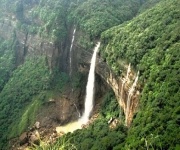
Reach Nohkalikai Falls before midday. From the viewpoint, the waterfall drops into a vivid blue-green pool surrounded by forested cliffs. Visibility varies with clouds, so allow enough time for the scene to emerge rather than leaving immediately when mist rolls in. The nearby Nohkalikai area also provides a useful break for tea and local snacks.
After lunch, visit Mawsmai Cave, one of the easiest caves near Sohra for first-time visitors. The route is short but includes narrow passages, uneven rock, and wet surfaces. Wear shoes with reliable grip and avoid carrying a large backpack. If you prefer a longer, less-developed cave experience, Arwah Cave can replace Mawsmai, though it requires more walking and is better suited to travellers who are comfortable on rough trails.
Finish the afternoon at the Seven Sisters Falls viewpoint, also known as Nohsngithiang Falls, if water flow and visibility are good. The falls are especially impressive during the rainy season, when several streams plunge over the cliff edge. For a quieter end to the day, select one nearby viewpoint rather than rushing between every lookout. An early dinner and a good night’s sleep will make the next morning much easier.
Day two: choose the experience that suits you
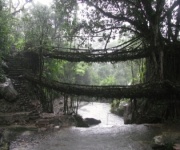
The most memorable second day for active travellers is the trek to Nongriat and the living root bridge. Begin before sunrise and drive to Tyrna, the usual starting point. The descent involves thousands of steps through forest and village paths, so allow several hours each way, including time to rest and enjoy the bridge. The trail can be humid, muddy, and demanding even when the weather looks pleasant at the beginning.
The single-decker living root bridge is the main landmark, but the wider experience is the real attraction: betel nut groves, streams, forest shade, and traditional village landscapes. Travellers with sufficient energy can continue toward Rainbow Falls, although this adds a demanding extension to an already strenuous day. Review a detailed Rainbow Falls guide before choosing this option, and avoid the extension if rain has made the trail unsafe or if your return journey is time-sensitive.
A relaxed second day can begin at the Duwan Sing Syiem viewpoint and proceed toward the Eco Park, where open spaces and valley panoramas make for easy sightseeing. You can then visit additional waterfall viewpoints, stop at local villages, and return to town for a leisurely lunch. This version is better for families with young children, older travellers, or anyone staying in Shillong on Sunday night.
Do not try to combine the full Nongriat trek, every major waterfall, multiple caves, and a long return drive in one day. The active route should be treated as the day’s main event. The relaxed route creates a more comfortable weekend and leaves room for weather delays, photography, and conversations with local hosts.
A practical weekend schedule
The outline below balances travel time, walking, and sightseeing. Times are approximate because road conditions and visitor levels change throughout the year. If you are travelling during heavy monsoon rain, your driver or accommodation host can help you decide which trails and viewpoints are currently suitable.
| Day and time | Main plan | Walking level | Best suited to |
|---|---|---|---|
| Saturday morning | Shillong to Sohra via Mawkdok Dympep Valley and Wei Sawdong | Easy to moderate | First-time visitors |
| Saturday afternoon | Nohkalikai Falls, Mawsmai Cave, and nearby viewpoints | Easy to moderate | Families and photographers |
| Saturday evening | Seven Sisters Falls or a local sunset viewpoint | Easy | All travellers |
| Sunday morning to afternoon | Tyrna, Nongriat, and the living root bridge | Strenuous | Fit and active travellers |
| Sunday morning to afternoon | Eco Park, viewpoints, waterfalls, and village stops | Easy | Relaxed travellers |
| Sunday evening | Return to Shillong or continue to the next destination | Minimal | Travellers with onward plans |
If your return destination is Guwahati, begin the drive back early enough to account for the mountain road and airport or railway schedules. A late departure from Sohra can become stressful when rain, congestion, or roadside stops add time. Travellers with an evening flight may prefer a relaxed second day and a direct transfer after lunch.
What to see at different times of day
Morning is usually the best period for long drives, treks, and popular viewpoints. The air often feels clearer, temperatures are more comfortable, and there is a better chance of seeing distant ridges before afternoon cloud develops. It is also easier to find parking and enjoy attractions before larger groups arrive.
Waterfalls can look fuller after rain, but visibility is never guaranteed. Nohkalikai and Seven Sisters Falls may appear dramatically different from one visit to the next. Rather than judging the experience only by whether the entire drop is visible, pay attention to the cliffs, forest, sound, and shifting light around the viewpoints.
Sunset locations depend on cloud cover and your exact route. If you want to photograph the changing colours over the hills, choose a viewpoint near your accommodation instead of travelling a long distance at the end of the day. A useful reference for planning golden-hour stops is this guide to sunrise and sunset viewpoints, which can help you match a lookout to your schedule.
Pack for changing mountain weather
A small daypack is more useful than a large suitcase during sightseeing. Keep clothing light, quick-drying, and comfortable for walking. Even in warmer months, a rain shower can lower the temperature quickly around waterfalls and exposed viewpoints.
- Waterproof walking shoes or sandals with strong grip
- A compact rain jacket or poncho, plus a spare pair of socks
- Reusable water bottle and simple snacks for trails
- Power bank, offline maps, and a small first-aid kit
- Cash, identification, sunscreen, insect repellent, and a dry bag for electronics
For the Nongriat trek, carry less and distribute essentials securely. Walking poles can help on steep steps, while a waterproof cover protects phones and cameras. Avoid disposable plastic where possible and carry all wrappers back to your accommodation or a designated waste point.
Dress modestly and respectfully when passing through villages and visiting community-managed sites. Ask before photographing residents, homes, or religious places. Local guides can provide route information, explain customs, and help you navigate sections where signs are limited.
Making the route smoother
A local driver familiar with Sohra’s roads can save valuable time. Drivers often know which viewpoints are accessible after rain, where to stop for breakfast, and how to adjust the order of attractions when a road is crowded. For a weekend package, confirm whether transport, meals, entry fees, guide services, and accommodation are included.
Choose attractions according to your energy rather than trying to collect every landmark. The region’s appeal comes from its scale and atmosphere: a cliffside view can be as memorable as a famous waterfall, and a slow tea stop can add balance to a busy sightseeing day. Keep at least one flexible block in the itinerary for weather or a spontaneous village visit.
Visitors from outside India should check visa requirements before travel. Indian travellers should carry valid identification, while everyone should confirm current local rules for protected areas, trekking routes, and community-managed attractions. Conditions can change during periods of intense rainfall, so check locally before setting out on a remote trail.
Turn your weekend into a well-planned escape
A two-day stay in Cherrapunjee works best when it has a clear priority. Choose the Nongriat trek if the living root bridge is the highlight of your Meghalaya trip. Choose the relaxed waterfall-and-viewpoint route if you want comfort, photography, and time to absorb the landscape without hurrying.
Cherrapunjee.net offers travel information and multi-day vacation packages for Sohra, including accommodation guidance, attraction details, transport planning, and practical advice for different seasons. Contact India Beacons Sojourn to arrange a weekend itinerary that fits your arrival point, preferred hotel, activity level, and onward travel plans.