





Cherrapunjee’s Best Viewpoints for Golden-Hour Scenery
Cherrapunjee, also known as Sohra or Cherrapunji, is shaped by cliffs, deep valleys, limestone formations, and waterfalls that change character with the weather. The best viewpoints are rarely just raised platforms. Many are roadside overlooks, park edges, waterfall terraces, or forest paths where changing light reveals the scale of Meghalaya’s plateau.
The top 10 viewpoints in Cherrapunjee for sunrise and sunset each offer a different experience. Some face open valleys and distant ridges, while others are better for watching sunlight touch falling water, mist, and monsoon clouds. A location that is excellent at dawn may be less rewarding at dusk because of its direction, access, or surrounding forest.
Plan extra time for driving between viewpoints, especially during the rainy season. Roads can be wet, visibility can change within minutes, and popular falls may require a short walk from the parking area. A flexible schedule makes it easier to enjoy the landscape instead of rushing from one stop to the next.
Reading The Landscape Around Sohra
Sohra sits on a high plateau surrounded by dramatic escarpments. The land drops sharply toward the plains of Bangladesh, creating broad horizons from several southern and western overlooks. Valleys are often filled with haze in the morning and low cloud in the afternoon, giving the scenery a layered appearance rather than a clear, postcard-style outline.
Sunrise is usually most rewarding from east- and southeast-facing locations, while sunset works better from western or southwestern ridges. However, the terrain is deeply cut by ravines, so the sun may disappear behind a ridge before the official sunset time. Arriving 30 to 45 minutes early is useful because the blue-hour landscape can be as striking as the final orange glow.
Waterfall Viewpoints For First Light
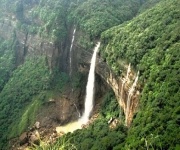
Nohkalikai Falls viewpoint is one of the most recognizable scenic stops near Cherrapunjee. The viewing area looks across a forested gorge toward the tall waterfall and its blue-green pool. Early morning often brings soft light, quieter paths, and a better chance of seeing mist lift from the valley. The falls face a complicated mix of cliff and valley directions, so the location is more reliable for atmospheric morning photography than for a direct sunrise over the horizon.
The overlook can become busy later in the day, particularly during holidays. Carry a light rain jacket even when the forecast appears dry, since clouds and drizzle are common around the plateau. Before visiting, review this local Nohkalikai guide for practical details and a more considerate way to experience the site.
Seven Sisters Falls viewpoint is another strong early stop, particularly when recent rain has revived the separate streams flowing down the cliff face. The falls may be thin or partly dry outside the wet season, but the broad escarpment remains impressive in changing light. Morning haze can soften the distant ridges, while late afternoon gives the cliff a warmer tone when the sun reaches across the valley.
Dainthlen Falls viewpoint combines a waterfall scene with a rugged gorge and layers of green forest. Its name is connected with the local legend of a giant serpent, and the rock formations around the falls add visual interest beyond the cascade itself. The site is often calmer than the most famous waterfall stops, making it suitable for travelers who want time to observe the landscape rather than take a quick photograph.
Ridges And Parks For Sunset
Mawkdok Dympep Valley viewpoint is among the easiest places to appreciate the immense depth of the Sohra landscape. The viewpoint looks into a wide valley framed by steep, forested sides, and the shifting light creates strong bands of shadow across the slopes. Late afternoon is usually the best period because the sun gradually warms the ridges before dropping behind the western side of the plateau.
Thangkharang Park provides a combination of garden paths, elevated views, and a more relaxed setting than a narrow roadside stop. On clear days, the park offers distant views toward the plains and the striking rock formation known as Khoh Ramhah. It is especially pleasant in the hour before sunset, when the surrounding greenery darkens and the exposed landscape begins to glow.
Eco Park is another practical location for broad valley scenery. The park includes landscaped areas and open viewing spaces, with seasonal streams and waterfalls adding interest after rainfall. It can work well for families or travelers who prefer a maintained environment with room to walk. Check local closing times before planning a sunset visit, since access may end before the light has completely faded.
| Viewpoint | Best light | What to expect | Planning note |
|---|---|---|---|
| Nohkalikai Falls | Early morning | Tall waterfall, gorge, mist | Arrive before the main crowds |
| Seven Sisters Falls | Morning or late afternoon | Multi-stream cliff cascade | Strongest after rain |
| Dainthlen Falls | Morning | Gorge, rocks, forest, waterfall | Allow time for a short walk |
| Mawkdok Dympep Valley | Sunset | Deep valley and layered ridges | Roadside stop with open views |
| Thangkharang Park | Late afternoon | Khoh Ramhah and distant plains | Confirm park hours |
| Eco Park | Late afternoon | Landscaped paths and valley views | Best in fair weather |
| Wei Sawdong Falls | Morning | Tiered falls and dense greenery | Slippery access in rain |
| Wah Kaba Falls | Sunrise or morning | Cliffside cascade and open valley | Visibility changes quickly |
| Mawsmai area | Morning | Limestone landscape and forest | Combine with cave visits |
| Laitkynsew and Nongriat route | Morning | Forested valleys and living root bridges | Requires substantial walking |
Forested Valleys And Seasonal Drama
Wei Sawdong Falls viewpoint is particularly appealing for travelers who enjoy a more intimate waterfall setting. The falls descend through a narrow, green ravine in a series of tiers, and the surrounding vegetation makes the scene feel enclosed and secluded. Morning light is generally preferable because it reaches the upper sections before the gorge becomes heavily shaded.
The approach may involve steep steps and uneven surfaces. During the monsoon, wet rocks can make the descent and return journey slow, so sturdy footwear is essential. This is a place to visit with patience; the best photographs often come from observing how water, leaves, and filtered light interact rather than searching for a single wide panorama.
Wah Kaba Falls viewpoint looks across an open valley toward a waterfall dropping over a cliff. Its exposed position makes it sensitive to weather, but that is also part of its appeal. A clear morning can reveal distant layers, while passing cloud may wrap the cliff in silver mist. Because the site is exposed, sunrise visits should include a warm layer and protection for cameras or phones.
Mawsmai area is better understood as a landscape experience than a single formal lookout. The limestone cave, forest paths, rocky formations, and nearby open spaces create several opportunities for early-day scenery. The low angle of morning light is useful for highlighting textured rock and tree trunks, while the surrounding forest keeps the scene cooler and more shaded than the main escarpment viewpoints.
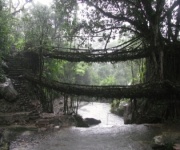
The Laitkynsew and Nongriat route is one of the most rewarding choices for active travelers. The trail leads through dense forest and steep valleys toward famous living root bridges, including the well-known double-decker bridge in Nongriat. It is not a convenient sunset stop because returning after dark is unsafe and tiring, but an early departure can produce beautiful light through the forest canopy and quieter conditions on the trail.
Choosing The Right Time To Visit
Weather controls the appearance of Cherrapunjee more than any camera setting. During the monsoon, waterfalls are powerful and the vegetation is intensely green, but clouds can hide distant ridges. In the drier months, visibility is often better, though some seasonal cascades may be reduced to narrow streams. Winter mornings can be cool and hazy, with clear skies developing later.
Sunrise trips require more than checking the sunrise time. Factor in the drive from your resort or hotel, road conditions, parking, and walking time. For a remote trail or waterfall, daylight should begin before you start the main descent. Sunset outings need equal care: allow enough time to leave the viewpoint before paths become dark, especially where there are slippery steps or no regular lighting.
Photography is strongest during the softer light before sunrise and after sunset, known as the blue hour. A tripod can help in dim conditions, although it is often impractical on crowded overlooks. Use a lens cloth, waterproof bag, and spare battery because mist and humidity are routine features of the Sohra climate.
Travel Practices For Scenic Stops
Many viewpoints sit beside active roads or near village communities. Park only where vehicles do not block traffic, follow instructions from local staff, and avoid standing close to unfenced cliff edges. Fog can reduce depth perception, and wet rock may be much more slippery than it appears.
Keep food wrappers and plastic with you until you find a proper bin. Do not climb over barriers to reach a more dramatic angle, and avoid loud music at dawn or dusk when local residents and other visitors are enjoying the quiet. Respecting these simple practices helps preserve the atmosphere that makes the viewpoints memorable.
A local driver or guide can make the route more efficient, especially for a multi-day Meghalaya holiday. They can advise whether a waterfall is flowing, identify safer access points, and adjust the day when cloud blocks a distant view. Combining two or three nearby locations is generally more comfortable than attempting all ten in a single day.
Build A Balanced Golden-Hour Route
A thoughtful itinerary should mix famous overlooks with quieter places and allow room for weather changes. The following approach works well for most visitors:
- Begin with Nohkalikai Falls, Seven Sisters Falls, or Wah Kaba Falls on a clear morning.
- Reserve Mawkdok Dympep Valley, Thangkharang Park, or Eco Park for late afternoon and sunset.
- Visit Wei Sawdong Falls and Dainthlen Falls when you have enough daylight for careful walking.
- Choose the Nongriat route as a dedicated active day rather than adding it to a packed sightseeing circuit.
- Keep one flexible morning or afternoon for returning to a viewpoint hidden by cloud on the first attempt.
Cherrapunjee’s viewpoints are most rewarding when treated as living landscapes rather than checklist attractions. Give the light time to change, listen to the weather, and leave space for an unexpected break in the clouds. Explore available Cherrapunjee vacation packages and plan a stay that lets you experience both the famous waterfalls and the quieter valley overlooks at their best.