






How to Spot Exotic Birds in the Forests of Sohra
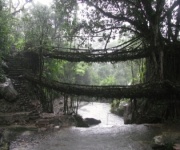
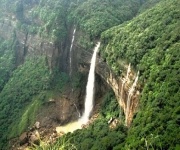
Sohra, widely known as Cherrapunjee or Cherrapunji, is one of Meghalaya’s most rewarding destinations for birdwatchers. Its wet subtropical forests, steep valleys, limestone caves and living root bridges create a rich mosaic of habitats. A short walk can move from a village edge alive with sunbirds to a shaded forest where laughingthrushes, drongos and barbets call from the canopy.
For travellers arriving from Australia, the experience feels distinctly different from birding around Sydney’s sandstone reserves, Melbourne’s wet forests or Brisbane’s subtropical parks. The landscapes are denser, the rainfall can be intense, and many birds stay hidden in thick foliage. Success depends less on covering long distances and more on slowing down, listening carefully and choosing the right local guide.
Early mornings are especially productive. Forest birds are most active before the day becomes warm and busy, while mist can soften the light and make distant calls easier to hear. The best approach is to treat every trail as a living soundscape rather than expecting a constant stream of visible birds.
Sohra also rewards travellers who combine birdwatching with responsible exploration. Eco-parks, forest paths, waterfalls and village landscapes provide different opportunities, while respectful behaviour helps protect fragile habitats and keeps encounters peaceful for residents and wildlife.
Choose The Right Habitats
The forests around Sohra are not uniform. Evergreen patches, bamboo thickets, grassland margins, stream corridors and cultivated areas each attract different species. Dense forest may hold blue-winged minlas, white-throated laughingthrushes and leaf warblers, while open edges can reveal black-crested bulbuls, black-naped monarchs and colourful sunbirds.
Look for transitions between habitats rather than staying in the middle of one landscape. A trail beside a stream may attract birds seeking insects and water, while the boundary between forest and village gardens can be excellent for barbets, bulbuls and flowerpeckers. Fruit-bearing trees deserve special attention, particularly when several species are calling from the same canopy.
Sohra’s eco-parks and gardens can be useful places to begin because they combine accessible paths with varied vegetation. Before setting out, review this guide to eco-parks and gardens to understand which locations may suit a relaxed morning of wildlife observation.
Waterfalls and cave entrances are also worth checking, although they are usually noisier than forest interiors. Birds may visit nearby trees after rainfall, and the damp ground attracts insects. Keep a little distance from busy viewpoints and walk quietly along less crowded sections where possible.
Read The Forest Before You Search
Many exotic birds are detected by sound before they are seen. A repeated whistle, a soft chattering phrase or the sudden alarm call of a small flock can point towards movement in the undergrowth. Pause whenever the forest becomes quiet after a burst of calls; birds often settle briefly once they no longer sense immediate disturbance.
Instead of scanning every branch at random, divide the scene into layers. Check the ground and low shrubs for laughingthrushes, babblers and foraging warblers. Look through the middle level for drongos, flycatchers and bulbuls. Finally, study the canopy for barbets, orioles and minivets, especially where sunlight catches moving leaves.
Birds in Meghalaya may remain concealed for several minutes, so patience matters more than speed. Stand still beside a tree trunk, avoid sudden turns and use peripheral vision to notice movement. A flash of yellow, a tail flick or a leaf shaking against the wind can reveal a bird that disappears when viewed directly.
A compact pair of binoculars is usually more practical than a large telescope on steep, wet trails. Choose binoculars with enough brightness for shaded forest and carry a small field guide or offline identification app. Mobile coverage may be inconsistent, so save maps and bird references before leaving your accommodation.
Small Habits That Improve Sightings
- Walk quietly for the first hour after sunrise, when bird activity is often highest.
- Stop at natural viewing points beside streams, fruiting trees and forest edges.
- Follow calls slowly instead of pushing through vegetation to force a view.
- Record the time, habitat and behaviour of unfamiliar species for later identification.
Plan Around Rain, Light And Season
Sohra is famous for heavy rainfall, and the weather shapes every birding outing. A clear morning can change quickly, particularly near exposed cliffs and high viewpoints. Waterproof footwear, a light rain jacket and a dry bag for phones or notebooks are more useful than carrying excessive camera equipment.
Cloudy conditions can actually improve observation by reducing harsh glare. Birds are easier to identify when the light is even, and wet leaves often make colours appear richer. During steady rain, focus on sheltered paths, forest margins and covered viewpoints rather than abandoning the day entirely.
The cooler months generally offer comfortable walking conditions and crisp visibility, while the wetter season creates lush vegetation and intense insect activity. Migration and local movement vary, so sightings cannot be guaranteed. A knowledgeable guide can recognise seasonal calls and adjust the route when a particular trail becomes slippery or crowded.
Australian visitors may be accustomed to checking the Bureau of Meteorology before a bushwalk, and the same habit is valuable here. Check local forecasts, ask accommodation staff about trail conditions and allow extra time for transport. Distances that look short on a map can take longer because of winding roads, steep gradients and rain-slowed traffic.
Travel Light And Follow Local Rules
Forest birding works best with a small, practical kit. Neutral-coloured clothing reduces visual disturbance, while breathable layers help with humidity. A hat, insect repellent, reusable water bottle and basic first-aid supplies are sensible additions. Avoid bright reflective fabrics and noisy bags that can alert birds before they come into view.
Do not play recorded bird calls or use loud playback. This can disrupt feeding, nesting and territorial behaviour, particularly in a quiet forest patch. Keep voices low, never feed wildlife and avoid touching nests, eggs, plants or living root structures. Local guides can explain which paths are appropriate and when a particular area should be left undisturbed.
Meghalaya’s community-managed landscapes are closely connected with village life. Some trails pass through land used by residents, and photography should be considerate. Ask before photographing people, homes or ceremonies, and follow instructions around sacred groves, caves and protected areas. A small entrance fee or guide payment supports local stewardship and employment.
Travellers from Australia should also remember that wildlife products, seeds, feathers, soil and some food items can create problems when returning home. Australia’s Biosecurity Act 2015 imposes strict controls on materials that could introduce pests or diseases. Clean hiking shoes and leave natural objects in Meghalaya; do not pack feathers, shells, plant material or muddy equipment for the flight home.
Useful Items For A Forest Morning
- Binoculars, a charged phone and an offline map
- Lightweight waterproofs, sturdy shoes and a dry bag
- Water, simple snacks and insect repellent
- A pencil and notebook for calls, colours and habitat notes
Build A Better Birding Day
A productive day does not need to be packed with attractions. Begin near a forest edge or garden shortly after dawn, then move to a quieter trail once the first burst of activity fades. Reserve the middle of the day for breakfast, a waterfall visit or a village experience, and return to shaded habitat in the late afternoon.
Local guides are especially valuable for identifying calls and choosing safe routes. They may know which trees are fruiting, where mixed-species flocks have recently been seen and which paths become hazardous after rain. Their knowledge can turn a brief glimpse into a reliable identification without disturbing the bird.
Keep expectations flexible. A single outing may produce common species, distant silhouettes and several excellent calls rather than a long photographic list. Birdwatching in Sohra is about reading a living landscape, and the quiet moments often become the most memorable: mist lifting from a ridge, a drongo crossing a trail or a flock moving quickly through bamboo.
Australian travellers often plan holidays around school breaks, public holidays or long weekends, but Sohra deserves enough time for weather changes and slower mornings. A two- or three-night stay allows more than a rushed day trip from Shillong and gives you the chance to revisit a trail under different conditions.
Support Conservation Through Responsible Travel
The forests of Sohra are valuable because they support wildlife, water systems and communities at the same time. Responsible tourism helps maintain that balance. Use established paths, carry rubbish back to your accommodation and choose operators who employ local staff and explain conservation practices clearly.
Avoid buying items made from feathers, animals, rare plants or illegally collected forest materials. Markets may sell attractive natural souvenirs, but an object’s presence on a stall does not always prove that its collection was lawful. Choose locally made textiles, crafts and food products instead, while respecting any restrictions on transporting agricultural goods.
Accommodation choices can also influence the destination. Ask whether a resort manages waste, limits single-use plastic and treats wastewater responsibly. Simple actions such as refilling a bottle, carrying a reusable shopping bag and declining unnecessary packaging fit easily with everyday habits many Australians already follow at home and at weekend markets.
A careful visitor leaves with photographs, field notes and a deeper appreciation of Meghalaya rather than pieces of the forest. Share accurate sightings with guides or conservation groups when appropriate, but avoid publishing precise locations of nests or rare species if doing so could attract crowds.
Sohra’s forest birds reveal themselves gradually. Walk before breakfast, listen longer than you think necessary and give each habitat time to become familiar. With sensible preparation, respect for local communities and a flexible itinerary, visitors from Perth, Adelaide, Canberra or any other Australian city can experience a rewarding form of wildlife travel far from the familiar eucalyptus bush.
Make space in your Meghalaya itinerary for an unhurried forest morning, and arrange reliable local assistance before travelling. For routes, accommodation guidance and booking details, contact India Beacons Sojourn and begin planning a bird-focused stay in Sohra.