





How to Support Local Communities While Traveling Cherrapunjee
Traveling to Cherrapunjee, also known as Sohra or Cherrapunji, is an opportunity to experience Meghalaya through its forests, waterfalls, caves, villages, living root bridges, and distinctive Khasi culture. The landscape is memorable, but the people who care for these places give the destination its character and continuity.
Responsible travel means allowing more of your holiday budget to remain with local families, guides, drivers, artisans, farmers, and community organizations. It also means behaving thoughtfully in sacred spaces, protecting fragile ecosystems, and learning how local customs shape everyday life.
A few practical choices can make a substantial difference. Where you stay, what you buy, how you visit attractions, and how you respond to local advice all influence the social and environmental impact of your journey through Sohra.
Learn Local Customs Before You Arrive
The Khasi people have a rich cultural heritage, and many communities around Cherrapunjee maintain traditions connected with faith, nature, family, and village life. Travelers should dress modestly when visiting churches, sacred groves, villages, and community-managed sites. Ask permission before photographing people, homes, ceremonies, or children, and accept a polite refusal without pressing for an explanation.
It is useful to learn a few local words and understand basic etiquette before your trip. A friendly greeting, patience during conversations, and willingness to follow community instructions show respect more effectively than purchasing souvenirs alone. Your driver or local guide can explain whether a site has restrictions regarding clothing, photography, food, or behavior.
Some attractions are managed collectively, with entrance fees helping fund maintenance and local livelihoods. Pay the official fee, keep your receipt where applicable, and avoid bargaining aggressively with small operators. A modest charge can support paths, bridges, sanitation, conservation, and the people responsible for keeping visitors safe.
Stay With Local Businesses
Accommodation choices are among the clearest ways to direct tourism income toward residents. Homestays, locally owned guesthouses, family-run resorts, and small hotels often employ people from nearby villages and purchase food and services locally. They can also provide a more personal understanding of the area than a standardized property outside the community.
Ask accommodation providers how they manage water, waste, electricity, and local employment. A responsible property should be able to explain its approach to plastic reduction, sewage disposal, food sourcing, and energy use. In a region known for heavy monsoon rain, water management matters particularly during periods of intense rainfall and high visitor numbers.
Book local guides for living root bridges, forest walks, caves, and village excursions rather than exploring unfamiliar routes alone. Guides contribute practical knowledge while earning directly from tourism. They can identify slippery paths, explain local stories, point out plants and wildlife, and help visitors avoid entering places that are sacred, private, or unsafe.
Spend With Producers And Artisans
Money spent on locally made goods has a stronger community benefit than purchases from businesses importing generic souvenirs. Look for handwoven textiles, bamboo products, cane crafts, natural food items, and other goods made in Meghalaya. Ask sellers where an item was produced and whether the person selling it is the maker or represents a local cooperative.
Fair payment is part of ethical travel. Avoid treating a craftspeople’s price as an obstacle to overcome, especially when an item reflects hours of skilled work. If you are unsure about quality or authenticity, ask your guide or accommodation host for recommendations. Purchasing fewer durable products is preferable to buying several disposable objects that have little connection to the region.
Restaurants and cafés can also support the local economy. Choose establishments that use Khasi or northeastern recipes and ingredients sourced from nearby farmers whenever possible. Try regional dishes respectfully, mention allergies clearly, and avoid wasting food. A meal of seasonal produce, rice, meat, or local vegetables can connect your travel spending with agricultural households and small food businesses.
| Travel choice | Community benefit | Responsible practice |
|---|---|---|
| Local homestay | Keeps accommodation income with resident families | Ask about house rules, water use, and quiet hours |
| Community guide | Creates direct employment and improves safety | Confirm the fee, route, duration, and group size |
| Local restaurant | Supports cooks, farmers, and food suppliers | Order realistically and avoid unnecessary waste |
| Handmade craft | Preserves skills and provides artisan income | Check origin and pay a fair price |
| Shared or local transport | Supports drivers and can reduce congestion | Agree on fares and avoid unnecessary idling |
| Official attraction fee | Helps maintain facilities and natural sites | Use marked paths and follow posted restrictions |
Visit Festivals With Cultural Awareness
Festivals and celebrations can be among the most rewarding parts of a Meghalaya journey, but they are living cultural events rather than performances arranged for tourists. Visitors should observe first, follow instructions from organizers, and avoid entering restricted areas. Loud behavior, intrusive photography, or treating ceremonial moments as entertainment can make residents feel that their traditions are being displayed rather than respected.
Before attending, check whether an event welcomes visitors and whether there is an entry procedure, dress expectation, or photography policy. The monsoon festivals guide can help travelers understand the character of seasonal celebrations and plan with greater awareness. When possible, attend with a local guide who can explain the meaning of music, dance, food, and rituals without interrupting participants.
Contribute by paying official admission charges, buying refreshments from community vendors, and choosing locally produced festival goods. Do not hand out sweets, money, or stationery directly to children, since this can encourage uncomfortable interactions and unequal expectations. Support organized community initiatives instead, particularly those that clearly explain how contributions are used.
Protect Waterfalls, Caves, And Forests
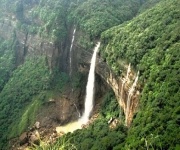
Cherrapunjee’s waterfalls, caves, and forests are major attractions, yet they are vulnerable to litter, soil erosion, graffiti, and unmanaged foot traffic. Carry a reusable bottle and take all packaging back with you. Even organic waste such as fruit peels should not be left on trails because it changes animal behavior and takes longer to decompose in some conditions.
Never carve names into rock, tree trunks, or bridge structures. Avoid loud music near forest areas, wildlife habitats, and villages. Stay on marked paths, use designated toilets, and follow warnings about flooding, falling rocks, slippery ground, or restricted cave sections. During the monsoon, water levels can rise quickly, so a local guide’s judgment should take priority over a planned itinerary.
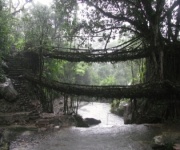
Living root bridges are created through long-term cooperation between people and trees. Their strength depends on continued care, not on being treated like ordinary tourist infrastructure. Cross them in small groups, do not climb over railings or roots, and avoid touching young growth. Entrance payments and guide fees help communities maintain access while protecting these remarkable structures.
Travel At A Pace Communities Can Handle
A packed itinerary can create pressure on narrow roads, village paths, parking areas, and fragile attractions. Instead of rushing through every viewpoint, choose fewer places and spend more time at each one. Staying two or more nights in the region gives local accommodation providers and restaurants greater benefit than a brief stop, while allowing you to experience changing weather and quieter periods.
Small groups are usually easier for communities to accommodate. If you are traveling with family or friends, divide into manageable groups when visiting narrow bridges, caves, or village sites. Keep voices low near homes and places of worship, and ask before using private roads, courtyards, or water sources as photo locations.
A local driver is more than a way to move between attractions. Drivers understand road conditions, seasonal closures, parking limitations, and the safest times to travel. Hire them for a fair full-day rate, agree on the route in advance, and allow reasonable breaks rather than expecting unsafe driving to fit an overly ambitious schedule.
Make Responsible Choices Before Departure
Thoughtful preparation reduces the burden placed on local services and helps travelers respond appropriately to Meghalaya’s weather and terrain. Pack rain protection, sturdy footwear, refillable water containers, a small first-aid kit, necessary medicines, and a bag for carrying waste. Bring clothing suitable for cool, wet conditions as well as respectful attire for cultural and religious sites.
Before booking a package, ask what is included in the price and which suppliers receive payment. A well-organized Cherrapunjee tour can combine local guides, transport providers, accommodations, and community attractions in a way that spreads income across the destination. Keep emergency contacts, identification, travel insurance information, and any required permits accessible.
Use the following habits to make your visit more beneficial for residents and less demanding on the landscape:
- Choose locally owned accommodation, restaurants, transport, and guiding services whenever practical.
- Pay official fees and fair prices instead of seeking unauthorized discounts.
- Ask permission before taking photographs of people, homes, ceremonies, or private property.
- Carry reusable supplies and remove every piece of personal waste from natural sites.
- Stay longer, travel in smaller groups, and follow local advice during monsoon conditions.
Leave A Positive Local Legacy
The most meaningful support does not always involve a large donation. It may be a fair payment to a guide, a booking with a family-run homestay, a meal prepared by a local restaurant, or a decision to remain on a marked trail. These choices strengthen the relationship between tourism and the people who live in Cherrapunjee throughout the year.
Travelers can also support community initiatives through reputable organizations, conservation groups, or locally managed attractions. If you volunteer, research the project carefully and choose programs with clear local leadership rather than short-term activities that displace paid workers. Responsible photography, accurate online reviews, and sharing locally owned businesses can extend the value of your visit after you return home.
Plan a Cherrapunjee holiday with India Beacons Sojourn through Cherrapunjee.net, selecting a package that gives you time to meet local people, explore responsibly, and contribute to the communities that make Sohra unforgettable.