





Guwahati To Cherrapunjee On A Budget
Cherrapunjee, also known as Sohra or Cherrapunji, is one of Meghalaya’s most rewarding destinations for travelers who enjoy waterfalls, limestone caves, forest trails, and dramatic hill views. The journey from Guwahati is straightforward, but transport choices, weather, and sightseeing distances can make a large difference to the final cost.
The most economical approach is to combine shared vehicles with a simple guesthouse stay and a carefully planned local route. Travelers who want more comfort can hire a private taxi or choose a multi-day package, while backpackers can reduce expenses by stopping in Shillong, sharing rides, and focusing on attractions that fit into the same circuit.
A realistic budget for a two- or three-night trip can range from about ₹4,000 to ₹9,000 per person, excluding flights and depending on the number of people sharing transport. The following guidance will help you decide where to spend, where to save, and how to make the journey enjoyable without rushing through Sohra.
Choose The Right Route And Season
Guwahati is the main gateway for travelers arriving by air or train. From Guwahati, the road to Shillong usually takes around three to four hours, depending on traffic and weather. Shillong to Cherrapunjee adds roughly two to three hours. The total road distance is approximately 145 to 160 kilometres, though the mountain route can feel longer because of winding roads and occasional congestion.
Shared sumo taxis and other shared vehicles generally leave from Guwahati’s transport hubs toward Shillong. From Shillong, travelers can find shared taxis heading to Sohra, although departure times may depend on demand. A direct private taxi is easier, especially for families or groups, but the fare becomes reasonable only when divided among several passengers.
The months from October to April usually offer more manageable conditions for sightseeing, with clearer roads and better visibility. The monsoon season brings spectacular waterfalls and intense green landscapes, but heavy rain can cause delays, slippery paths, and temporary access problems. Travelers visiting between June and September should leave extra time and keep some flexibility in their itinerary.
If your dates are flexible, the shoulder months can provide a useful balance between weather and cost. Accommodation may be less expensive outside peak holidays, while weekday travel often makes it easier to negotiate taxi rates and find rooms.
Build A Realistic Transport Budget
Public transport is the cheapest way to reach Cherrapunjee, but it requires patience and coordination. A shared vehicle from Guwahati to Shillong may cost roughly ₹300 to ₹600 per person, while the Shillong-to-Sohra leg may cost around ₹200 to ₹400. Fares vary with the vehicle, season, pickup point, and luggage, so confirm the price before boarding.
Shared taxis usually operate according to local demand rather than a strict tourist timetable. They may leave when full, and a late arrival in Shillong can mean waiting until the next morning. This is one reason that an overnight stop in Shillong can be useful for budget travelers, even if it adds a small accommodation expense.
A private Guwahati-to-Cherrapunjee taxi commonly costs several thousand rupees for a one-way journey. The exact price depends on the car type, sightseeing stops, waiting time, and whether the driver returns empty or completes a round trip. Ask for a complete fare that includes fuel, parking, tolls, and driver charges to avoid misunderstandings.
For local sightseeing, sharing a cab is usually better than booking separate rides to every waterfall and cave. A full-day vehicle from Sohra can cost approximately ₹1,800 to ₹3,500 or more, depending on the route and vehicle. Four passengers splitting that amount can often spend less than two people taking short individual trips.
Compare Your Travel Options
The best route depends on the size of your group, arrival time, luggage, and comfort level. Solo travelers usually gain the most from shared vehicles, while a group of four or five may find that a private taxi offers better value once local sightseeing is included.
A budget plan should include small costs that are easy to overlook: station or airport transfers, meals during the road journey, parking, attraction entry fees, rain protection, and occasional waiting time. Keeping a reserve of ₹500 to ₹1,000 per person can prevent a minor delay from disrupting the itinerary.
| Travel style | Approximate transport cost per person | Convenience | Best suited to |
|---|---|---|---|
| Shared vehicles via Shillong | ₹500–₹1,200 one way | Low to moderate | Solo travelers and backpackers |
| Shared vehicles plus Shillong stay | ₹900–₹1,800 with local transfers | Moderate | Travelers with flexible schedules |
| Private taxi split among four people | ₹1,500–₹3,500 one way | High | Families and small groups |
| Private round trip with sightseeing | ₹2,500–₹5,500 per person | Very high | Short stays and groups |
| Tour or vacation package | Varies by nights and inclusions | High | Travelers wanting planned logistics |
Prices are indicative rather than fixed. Confirm current rates locally, particularly during festivals, school holidays, monsoon periods, and weekends. A package can sometimes be more economical than independent travel when it includes accommodation, meals, transfers, and a vehicle for sightseeing.
Save On Accommodation And Meals
Sohra has resorts, hotels, homestays, and simpler guesthouses. A basic room may cost around ₹800 to ₹1,500 per night, while comfortable mid-range accommodation can range from ₹2,000 to ₹4,500 or more. Prices rise during holidays and popular weekends, so booking in advance is worthwhile if you need a specific location.
Homestays often provide a more affordable experience than larger resorts and may include breakfast. Staying near the main market can reduce short taxi rides, while a property farther out may offer better views but require extra spending on transport. Check whether hot water, heating, breakfast, parking, and power backup are included rather than assuming they come with the room.
Local restaurants and small cafés can keep meal costs manageable. A simple breakfast may cost ₹80 to ₹180, while lunch or dinner at a modest restaurant may be around ₹150 to ₹300 per person. Rice, dal, vegetables, noodles, momos, and local Khasi dishes are generally easier on the budget than meals at premium resorts.
Carry a refillable bottle and a few packaged snacks for long sightseeing drives. Do not depend on finding shops beside every attraction, especially on remote routes. Buying snacks and water in Guwahati, Shillong, or the Sohra market can also be cheaper than purchasing them at viewpoints and tourist entrances.
Plan An Affordable Sightseeing Circuit
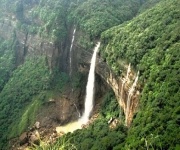
Cherrapunjee’s attractions are spread across a broad area, so grouping nearby places into one route is the most effective way to control local transport costs. A typical day may include Nohkalikai Falls, the Seven Sisters Falls viewpoint, Mawsmai Cave, and nearby viewpoints. Exact visibility depends heavily on the season and cloud cover.
Mawsmai Cave is relatively accessible and commonly included in short sightseeing circuits. Travelers looking for quieter, more adventurous experiences can research hidden cave trails beyond the most visited locations, while remembering that cave conditions can change after rain and that proper footwear is important.
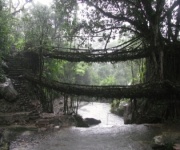
The living root bridges require more time and physical effort. Nongriat’s famous double-decker living root bridge involves a long descent and climb, so it may need a separate day rather than being squeezed between roadside viewpoints. Hiring a local guide can improve navigation and provide insight into the bridge-building tradition, especially for travelers unfamiliar with the trail.
Waterfalls, caves, and forest paths may have entry charges or parking fees. These are usually modest, but carrying small cash is useful because card facilities and reliable mobile connectivity are not guaranteed in remote areas. Avoid scheduling too many attractions in one day; rushing increases the chance of missed transport and unnecessary taxi waiting charges.
Pack Smart And Avoid Extra Costs
Meghalaya’s weather can change quickly. Pack a lightweight rain jacket, quick-drying clothes, strong walking shoes, a small umbrella, and waterproof covers for phones and documents. During cooler months, evenings can feel cold, particularly in rooms without heating, so a warm layer is useful.
A compact first-aid kit, personal medicines, insect repellent, sunscreen, and a reusable water bottle can prevent expensive last-minute purchases. Power banks are practical during long drives and in areas where charging points may be limited. Keep identification, booking details, and emergency contacts in both digital and offline form.
Travelers visiting from outside India should check current visa requirements before arrival. Indian visitors should carry a valid government-issued identity document, while international visitors should keep passport and visa details secure. Some restricted or environmentally sensitive areas may have local rules, so follow instructions from accommodation providers, guides, and authorities.
Responsible travel also protects your budget. Use marked trails, avoid entering caves during unsafe weather, do not litter, and respect local communities and sacred spaces. A damaged vehicle, missed departure, or preventable injury can cost far more than the small amount saved by ignoring local advice.
Budget Moves Worth Making
A few practical decisions can lower the overall cost without taking away from the experience:
- Travel with at least one companion so private taxi fares and local sightseeing costs can be divided.
- Compare the total price of a package with independent bookings, including meals, transfers, accommodation, and entry fees.
- Stay two or three nights instead of changing hotels frequently, which reduces transfer charges and wasted sightseeing time.
- Choose attractions along the same route and confirm the taxi itinerary, waiting charges, and parking costs before departure.
- Carry cash, rain protection, snacks, and basic medicines so weather or limited facilities do not lead to expensive emergency purchases.
A longer stay can sometimes be cheaper per day because transport is spread across more time. Two nights allow a compact waterfall and cave circuit, while three or four nights make it easier to include a living root bridge trek, a slower village visit, or a day in Shillong. Seven-night holiday packages may suit travelers who want to explore Meghalaya beyond Sohra without arranging each transfer independently.
The official travel information and Cherrapunjee vacation packages can help you compare multi-day options, accommodation styles, and sightseeing plans before committing to transport. Review what each package includes and whether airport transfers, meals, permits, local vehicles, and guide services are covered.
Set aside a small contingency fund and keep your schedule adaptable. Mountain weather can change quickly, and a flexible plan is often more valuable than a tightly packed itinerary. With shared transport, sensible accommodation, and a route built around nearby attractions, the journey from Guwahati to Cherrapunjee can remain affordable while still allowing time for Meghalaya’s waterfalls, caves, forests, and living root bridges. Plan your route, reserve the essentials, and begin your Sohra trip with enough time to enjoy the road as well as the destination.