





How to Visit Cherrapunjee on a Tight Budget
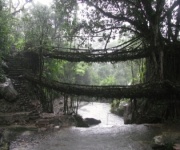
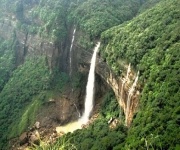
Cherrapunjee, also known as Sohra or Cherrapunji, is famous for dramatic waterfalls, misty hills, limestone caves, living root bridges, and some of the heaviest rainfall on Earth. It can look like an expensive destination because many attractions are spread across Meghalaya, but careful planning makes a low-cost trip possible.
The biggest savings usually come from travelling during the right season, sharing transport, staying near central Sohra, and choosing a few memorable experiences instead of trying to see every attraction in one day. A basic two- or three-night visit can offer remarkable scenery without requiring a luxury holiday budget.
Costs vary according to your departure city, travel dates, group size, and comfort level. The estimates below are practical planning ranges in Indian rupees rather than fixed prices. Transport fares, entry fees, accommodation rates, and meal costs should be checked before departure, especially during holidays and peak monsoon periods.
Choose The Right Travel Season
The most economical time to visit is often outside major holidays and the busiest monsoon weeks. The wet season, generally from June to September, creates spectacular waterfalls and intensely green landscapes, but heavy rain can cause delays, slippery paths, road closures, and cancelled local activities. If you travel then, build flexibility into your schedule rather than booking tightly connected transfers.
October to April usually brings clearer conditions for viewpoints, caves, forest walks, and village excursions. December and January can be cooler, particularly in the mornings and evenings, while March and April bring pleasant temperatures and fresh greenery. Bargain accommodation may be easier to find on weekdays and outside school holidays.
A budget traveller should compare the total cost, not just the room rate. A slightly more expensive stay in central Sohra may reduce daily taxi expenses, while a cheap room far from town can become costly when every meal and attraction requires a vehicle.
Reach Sohra Without Overspending
Most visitors first reach Shillong or Guwahati. Guwahati is the main rail and air gateway, while Shillong is the more convenient base for continuing to Cherrapunjee. Shared sumo vehicles, shared taxis, and buses are generally cheaper than hiring a private car for the entire journey. Ask at the relevant stand about departure times, luggage charges, and the exact drop-off point in Sohra.
From Shillong, shared transport to Sohra can be economical when seats are available. The journey is scenic but may take several hours, and shared vehicles commonly leave when full rather than according to a strict timetable. Arriving early helps you secure a seat and gives you more choice. From Guwahati, compare the cost of reaching Shillong first with a direct shared vehicle or an organised transfer.
Private taxis make sense for families or groups that can divide the fare among several people. Before accepting a quote, clarify whether it covers fuel, waiting time, parking, sightseeing, and the return journey. A low headline price may exclude one or more of these costs. For solo travellers, finding companions at a hostel or transport stand can substantially reduce the price of local sightseeing.
Save On Accommodation And Meals
Sohra has homestays, guesthouses, hostels, budget hotels, and resorts. A family-run homestay is often the best value because it may include breakfast, provide local travel advice, and offer simple home-cooked meals. Compare the final price with taxes, meals, and transport rather than selecting a property based only on the nightly tariff.
Travelling with two or three companions can reduce accommodation costs if you share a clean room or family room. Confirm the number of beds, bathroom arrangements, hot-water availability, power backup, and mobile connectivity in advance. In rainy weather, reliable hot water and a dry place for wet clothes can be more useful than decorative facilities.
Local eateries and small restaurants around Sohra are usually less expensive than resort dining rooms. Rice-based meals, thalis, noodles, momos, eggs, and seasonal vegetables can keep food costs manageable. Carry a reusable bottle and a few packaged snacks from Shillong or a larger market, since prices near popular viewpoints may be higher and choices more limited.
Plan A Compact Sightseeing Route
Trying to cover every waterfall and cave in a single day often creates the highest transport cost. Instead, group attractions by direction and choose experiences that suit your fitness level. A central Sohra day can include viewpoints, nearby waterfalls, and local food, while another day can focus on caves or the Nongriat living root bridge area.
The living root bridge trek is a major attraction, but it requires time, stamina, suitable footwear, and sometimes a local guide. A guide can be worthwhile for route information and safety, particularly after rain. Travellers who are not prepared for a long descent and climb should choose an easier village walk or viewpoint rather than paying for a difficult excursion they cannot enjoy.
Nature parks and viewpoints can be inexpensive additions to an itinerary. For example, you can read about Thangkharang Park views before deciding whether to include the park alongside nearby attractions. Checking distances in advance helps prevent paying for repeated taxi journeys across the same roads.
| Travel style | Typical daily spending per person | What it may include |
|---|---|---|
| Basic shared trip | ₹900–₹1,500 | Shared transport, simple room share, local meals |
| Comfortable budget | ₹1,500–₹2,500 | Guesthouse, some private transfers, three meals |
| Small-group value trip | ₹1,300–₹2,200 | Shared taxi divided among companions, better room, selected activities |
| Private sightseeing day | ₹2,000–₹4,000 or more | Car and driver divided by the group, depending on route and waiting time |
These ranges exclude the cost of reaching Meghalaya from your home city and can rise during festivals, weekends, and periods of heavy demand. Entry fees, guide charges, parking, and special activities should be treated as separate line items. Keeping a small emergency reserve is important because weather can force an unplanned night or a more expensive transfer.
A two-night itinerary might include arrival and a relaxed local circuit on the first day, a full sightseeing day on the second, and departure on the third morning. A third night gives you greater flexibility for the root bridge trek, caves, or rain delays. Spending an extra night can sometimes lower the total cost by avoiding rushed private transport.
Control Local Transport Costs
Local transport is usually the largest variable in a Cherrapunjee vacation. Shared vehicles are cheapest but cannot always reach every waterfall, cave, or village at convenient times. If you use a private taxi, create one clear route with attractions located in the same area. Ask your accommodation host whether another guest wants to share the vehicle.
Walking is practical in and around some parts of Sohra, especially for short distances between lodging, food shops, and nearby viewpoints. It is less suitable on narrow roads with poor visibility or during intense rain. Use offline maps, start early, and avoid assuming that a short distance on a map means an easy walk; steep gradients and wet paths can slow you considerably.
Entry charges are generally modest, but small costs accumulate. Keep cash for parking, local guides, village contributions, snacks, and public toilets. ATMs may not be convenient in remote areas, and card payments are less reliable outside established hotels. Do not depend on app-based taxis for every transfer, as availability can be limited in the hills.
Pack For Rain And Practical Comfort
Buying rain gear at tourist prices is avoidable when you pack properly. Bring a lightweight waterproof jacket or poncho, quick-drying trousers, a dry bag or waterproof backpack cover, and enough plastic-free waterproof pouches for electronics and documents. A compact umbrella is useful in town, but it may be awkward on exposed trails or in strong wind.
Wear shoes with firm grip for muddy paths, steps, and cave approaches. Carry a second pair of socks, sandals for the room, a small first-aid kit, insect repellent, sunscreen, a power bank, and any regular medication. A headlamp is useful in caves and during power cuts, though organised cave visits should follow local safety instructions.
Keep your daily budget in cash, but separate it from an emergency reserve. Avoid buying unnecessary bottled water by carrying a refillable bottle where safe refill facilities are available. Respect local communities, do not leave litter on trails, and ask before photographing residents, homes, or religious sites. Responsible behaviour protects the places that make an affordable nature trip worthwhile.
Make The Most Of A Small Budget
A low-cost itinerary works best when it gives priority to landscapes and local experiences rather than expensive convenience. Use these principles while planning:
- Travel on weekdays and avoid public holidays whenever possible.
- Share taxis with fellow travellers, friends, or family members.
- Book a central homestay that offers breakfast and local transport contacts.
- Select attractions by route so that one vehicle covers several nearby stops.
- Keep one flexible half-day for rain, rest, or an inexpensive village walk.
A package can also be good value when it combines accommodation, meals, transfers, and sightseeing at a transparent price. Compare the inclusions carefully with an independent trip. A seven-night package may suit travellers who want a slower Meghalaya holiday, while a two- or three-night package may be better for a tightly controlled budget.
Check whether a quoted package includes entry fees, driver allowances, parking, guide services, and airport or railway transfers. Ask for the accommodation category and the exact sightseeing route before paying a deposit. Clear inclusions make it easier to compare a tour with the cost of arranging transport and rooms yourself.
With thoughtful choices, visiting Cherrapunjee on a tight budget does not mean removing the destination’s most memorable experiences. Shared transport, simple local accommodation, well-planned routes, and sensible preparation can leave more of your budget for the waterfalls, forests, caves, and living root bridges that define Sohra.
When you are ready to organise the trip, explore the Cherrapunjee.net accommodation and tour information, then contact India Beacons Sojourn for a package that matches your dates, group size, preferred comfort level, and sightseeing priorities. A clear plan before arrival can turn a modest travel budget into a rewarding Meghalaya escape.