





Visiting Kynrem Falls And The Forest Around Sohra
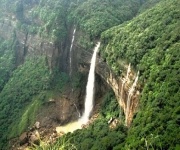
Kynrem Falls is one of the most rewarding waterfall stops around Cherrapunjee, also known as Sohra or Cherrapunji. Water drops in three distinct stages through a green landscape, with the falls viewed from the Thangkharang Park area. The surrounding forest, deep valleys and monsoon-fed streams give this outing a quieter character than some of Sohra’s busiest attractions.
The falls are especially striking during and soon after the rainy season, when Meghalaya’s clouds settle over the plateau and the vegetation turns intensely green. Water levels, visibility and road conditions can change quickly, so a visit works best when treated as a scenic nature excursion rather than a quick photo stop.
For travellers from Australia, reaching Sohra usually involves an international flight to India, a domestic connection and a road transfer through Meghalaya. Guwahati is the common gateway, followed by a drive of roughly four to five hours depending on traffic, weather and stops. Travellers from Sydney, Melbourne, Brisbane or Perth should allow plenty of breathing space between connections rather than planning a tight same-day itinerary.
A local driver or organised tour makes the day easier, particularly if this is your first trip to Northeast India. Indian roads can feel very different from a relaxed Australian road trip, and distances that look short on a map may take longer because of winding hills, village traffic and wet-weather conditions. With sensible timing, Kynrem Falls fits comfortably into a Cherrapunjee holiday.
Understanding The Kynrem Falls Area
Kynrem Falls lies in the broader Sohra region, where forested slopes, limestone formations and dramatic escarpments shape the landscape. The main viewpoint is associated with Thangkharang Park, a protected scenic area with views towards the falls and the surrounding valleys. The park itself is worth allowing time for, as the setting extends beyond the waterfall to layered hills and open viewpoints.
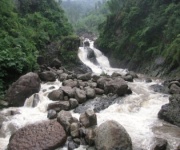
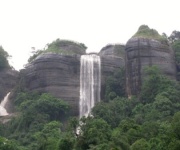
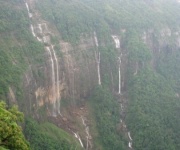
Kynrem is known as a three-tier waterfall, although the shape and strength of each cascade can look different throughout the year. During heavy rain, the streams may merge into a powerful white rush. In drier months, the individual drops and rock contours can be easier to distinguish, but the waterfall may appear less dramatic.
The nearby forest is not a formal wilderness route where visitors should wander without guidance. Paths, viewpoints and access conditions can vary, and thick vegetation can obscure edges, streams or steep ground. Stay within marked or commonly used areas, follow local directions and avoid climbing wet rocks for a closer photograph.
The most enjoyable pace is unhurried. Look for broad views first, then spend time noticing the smaller details: moss on stone, dripping leaves, birds moving through the canopy and clouds lifting from the valley. Kynrem Falls rewards visitors who allow the landscape to unfold instead of trying to cover it in a few minutes.
Choosing The Best Time To Go
The monsoon, generally from June to September, brings the greatest water volume and the richest greenery to Sohra. This is the classic season for waterfall photography, though rain can arrive suddenly and visibility may close in. Roads can become slippery, and a journey that begins under blue sky may end in steady cloud and drizzle.
October to November often offers a useful balance between fresh vegetation and more manageable travel. Waterfalls can remain impressive after the wet season, while viewpoints may have clearer intervals. December through February is usually cooler and often more comfortable for walking, although mornings can be misty and the falls may be less forceful.
March to May can be pleasant for exploring the wider Cherrapunjee area, with warmer days and changing vegetation. Conditions are still variable, especially before the main rains. Your driver or local host can provide a same-day update on access, roadworks and weather before you leave.
Australians used to planning around school holidays should consider how busy popular Meghalaya routes become during Indian holiday periods as well as December and January. A family travelling from Melbourne or Adelaide may prefer an early departure to beat traffic and make the most of daylight. In local conversation, “morning” can cover a broader departure window than the precise meeting times many Australians expect, so clarify the pickup time and allow a buffer.
Planning The Drive From Sohra
Kynrem Falls is best included as part of a wider sightseeing loop rather than booked as an isolated transfer. A typical day may combine Thangkharang Park and Kynrem Falls with nearby viewpoints, caves or other waterfalls, depending on opening conditions and the time available. Your route should remain flexible, particularly during heavy rain.
A private vehicle with a local driver is generally the most practical option. Public transport serves many communities around Sohra, but it is less convenient for linking several attractions in one day. Roads can narrow near villages, and drivers familiar with the area are better placed to judge safe stopping points and changing conditions.
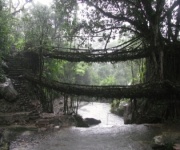
A two- or three-night stay gives enough time to visit Kynrem without rushing every other highlight. Travellers who want a calmer base can stay in a resort or guesthouse around Sohra, while a longer Meghalaya itinerary may include Shillong, Mawlynnong, Dawki and living root bridges. The two-night Cherrapunji package can be a useful starting point for understanding how a short regional holiday is structured.
Australians should also plan for practical differences in payments and connectivity. Carry some Indian rupees for small purchases, parking or local snacks, even if your hotel accepts cards. UPI payments are common in India, but overseas visitors may not be able to use every digital payment service. Mobile reception can weaken in forested and hilly sections, so save accommodation details and directions offline.
Walking Safely Through The Forest
You do not need advanced hiking experience to enjoy the forest around the waterfall viewpoints, but sturdy footwear is important. Closed walking shoes with a firm sole are more suitable than thongs or smooth-soled trainers. Wet leaves, mud, loose gravel and sloping paths can make short walks unexpectedly slippery.
Keep a respectful distance from the edge of viewpoints and never enter a fast-flowing stream simply to take a photograph. During the rainy season, water can rise quickly upstream. Children should remain close to adults, and anyone with limited mobility should discuss the day’s walking requirements before departure.
The forest is home to insects, birds and other wildlife, so avoid feeding animals or disturbing plants. Pack rubbish back to your accommodation, use designated facilities and keep noise low. Meghalaya’s natural attractions are shared with local communities, and considerate behaviour matters in places where tourism is growing.
A guide is particularly valuable if you plan to go beyond the main park or combine Kynrem with less familiar trails. A local guide can explain Khasi place names, identify plants and advise when a path has become unsafe. The experience of staying in a Khasi bamboo hut can also add useful cultural context to a nature-focused Meghalaya trip.
Useful Items For The Day
- Lightweight waterproof jacket or poncho for sudden showers
- Closed walking shoes with reliable grip and spare socks
- Reusable water bottle and small, high-energy snacks
- Insect repellent, sunscreen and a compact first-aid kit
- Phone power bank, offline maps and a dry pouch for electronics
Making The Most Of Your Visit
Start early enough to reach the area while the light is soft and the roads are less busy. Early hours can also bring mist across the valley, creating a moody atmosphere around the falls. If the clouds are too thick for a clear view, wait for a short while rather than assuming the day is lost; conditions can change quickly in Sohra.
Photography is easiest with a lens cloth and a waterproof cover for your camera or phone. Wide views show the scale of the valley, while a zoom lens can isolate the separate tiers of Kynrem Falls. Avoid standing in exposed positions or stepping off a path for a better angle. A safe photograph is worth far more than a risky one.
Build time into the itinerary for tea, a simple local meal or a stop at a village shop. Food choices may be more limited than in major Australian cities, especially outside Shillong, so travellers with allergies should carry clear information and a few familiar snacks. “No worries” is a useful Australian instinct, but it should be paired with patience when service is informal or weather changes the schedule.
Before leaving, check with your accommodation or tour operator about park access, local conditions and the day’s driving time. Entry arrangements and fees can change, and some attractions may close temporarily for maintenance or severe weather. These small checks help keep the outing comfortable and reduce pressure on the driver.
Checks Before Setting Out
- Confirm the waterfall viewpoint and park opening conditions
- Ask about rainfall, road repairs and any temporary closures
- Agree on the pickup time, return time and planned stops
- Carry identification, emergency contacts and accommodation details
- Keep cash in small denominations for local payments
Kynrem Falls works best as part of a thoughtfully paced Sohra itinerary. Give the forest time, accept that clouds may shape the view, and leave room for the unexpected moments that make Meghalaya memorable. To arrange accommodation, transport or a Cherrapunjee holiday package, use the booking contact details provided by Cherrapunjee.net and plan your visit with local support.