





How To See Nohsngithiang Falls Up Close
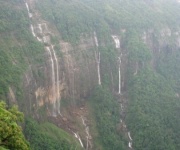
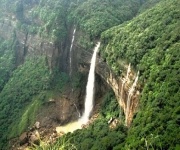
Nohsngithiang Falls, widely known as the Seven Sisters Falls, is one of Meghalaya’s most spectacular natural sights. During the wet season, water pours over the broad limestone escarpment in several silver ribbons, creating the impression of seven separate waterfalls descending side by side. The scene is especially dramatic from the official viewpoint near Sohra, the town also commonly called Cherrapunjee or Cherrapunji.
“Up close” here means reaching the best viewing areas, walking around the nearby plateau and experiencing the sound, mist and scale of the falls, rather than climbing down to their base. The cliffs are steep and access below the waterfall is not a normal tourist route. With the right timing, transport and footwear, visitors from Australia can still enjoy an immersive visit without taking unnecessary risks.
Where Seven Sisters Falls Actually Is
The waterfall is located in the Sohra region of Meghalaya, roughly 55 to 60 kilometres from Shillong by road. It sits along the southern edge of the Khasi Hills, where the plateau drops sharply towards the plains of Bangladesh. The viewpoint is reached by road and is usually included in sightseeing trips covering Sohra’s waterfalls, caves and living root bridges.
The falls are seasonal. Heavy monsoon rain feeds the streams and turns the cliff face into a wide cascade, while drier months may leave only faint flows or dark wet streaks on the rock. The viewpoint itself can also be surrounded by cloud, so a rainy day may produce an atmospheric scene rather than a clear panorama.
The official viewing area provides the safest perspective of the full escarpment. You may find small paths around the roadside viewpoint, but they should be treated as observation areas rather than informal routes to the bottom. The rock edges can become slippery, and the force of falling water makes off-route exploration dangerous.
Choose The Right Season
July to September generally offers the greatest chance of seeing Nohsngithiang Falls at full strength. Meghalaya receives intense rainfall during this period, and Sohra is famous for some of the highest recorded rainfall totals on Earth. The same weather that creates the waterfall can bring road delays, low cloud and sudden downpours, so flexible plans are valuable.
October and November often provide a useful balance between flowing water and clearer views. The landscape remains green, and the roads may be easier for day trips. December to February is typically more comfortable for walking, but the falls may be considerably smaller. March to May can bring pleasant sightseeing conditions, although the waterfall’s volume depends on recent rain.
Australian visitors planning around school holidays should allow extra time during June to September, when wet-weather traffic and holiday demand can affect journey times. A route that looks short on a map may take much longer when mountain roads are crowded or visibility is poor. Morning departures also give you a better chance of reaching the viewpoint before cloud thickens.
Reach The Viewpoint From Sohra
Most travellers stay in Shillong, Sohra or a nearby village and hire a local taxi or join a guided itinerary. From Shillong, the drive to Sohra usually takes around two to three hours in reasonable conditions, while the waterfall viewpoint is close enough to combine with other attractions in a full-day excursion. From Guwahati, the journey is much longer, commonly requiring several hours each way, so an overnight stay in Meghalaya is more comfortable.
There are no regular direct flights from Australian cities to Sohra. Travellers from Sydney, Melbourne or Brisbane commonly connect through an Indian gateway before continuing to Guwahati, then travel by road into Meghalaya. Shillong Airport has limited services, making Guwahati the more practical arrival point for many international itineraries.
A local driver is useful because road conditions, monsoon detours and sightseeing times can be difficult to judge independently. Indian vehicles drive on the left, which will feel familiar to Australians, but narrow bends, pedestrians and livestock still make self-driving less appealing. Agree on whether the vehicle includes fuel, waiting time and all sightseeing stops before setting off.
Get Closer Without Taking Risks
The best way to deepen the experience is to slow down at the viewpoint instead of treating it as a quick photo stop. Listen for the changing sound of the water, watch the mist move across the gorge and look for the individual streams that merge into the larger curtain. Binoculars can help reveal details in the cliff face when the falls are distant.
Some visitors try to find unofficial footpaths that appear to lead towards the base. These routes may be muddy, unmarked or unstable, particularly after rain. A local guide can explain which paths are used by residents and which areas should be avoided, but no guide can make a damaged cliff edge safe. Stay behind barriers where they exist and keep away from overhanging rock.
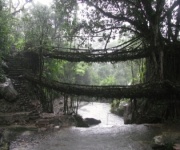
A close visit becomes more rewarding when combined with nearby natural sites. Mawsmai Cave, Arwah Cave, Dainthlen Falls and the Nongriat living root bridge are all associated with the wider Sohra region, although each requires different amounts of walking. Do not attempt to fit every attraction into one rushed day, especially during the wet season.
Compare Ways To Build The Visit
The right arrangement depends on whether you value flexibility, comfort or a deeper local experience. A short stop may suit travellers passing through Shillong, while a multi-day stay allows time for weather changes and longer walks. Packages of two to seven nights can be shaped around waterfalls, caves, villages and forest trails.
| Visit style | Best for | Typical advantages | Points to consider |
|---|---|---|---|
| Shillong day trip | First-time visitors with limited time | Simple base, several Sohra attractions in one outing | Long driving day and limited flexibility |
| Sohra overnight stay | Travellers wanting a slower pace | Earlier access, better chance of clear views, less road time | Fewer accommodation choices than Shillong |
| Private local taxi | Families and independent travellers | Adjustable stops and personal schedule | Cost is higher when travelling alone |
| Guided multi-day tour | Visitors seeking local context | Transport, accommodation and sightseeing can be coordinated | Fixed itinerary may allow less spontaneity |
| Trek-focused itinerary | Active travellers | Time for caves, trails and living root bridges | Requires fitness, proper shoes and weather tolerance |
For Australians comparing prices, ask for the full amount in Indian rupees and check what is excluded. Airport transfers, meals, entrance charges and guide fees may be separate. Paying by card is possible in larger hotels and businesses, but cash remains useful for village shops, roadside food and smaller transport providers.
A slower itinerary also supports local businesses more directly. Buy tea, fruit, snacks or handmade items from legitimate stalls, and pay a fair local price rather than treating every purchase as a bargaining contest. In Sohra’s small markets, a few hundred rupees can make a meaningful difference to a family-run vendor.
Pack For Rain, Roads And Walking
Meghalaya’s weather can change quickly, even when the forecast looks manageable. Waterproof outer layers are more useful than a compact umbrella on exposed paths, and quick-drying clothing helps after a sudden shower. Australian travellers should also remember that Indian power sockets differ from the Type I outlets used in Australia, so a universal adaptor is sensible.
Good preparation keeps the viewpoint visit comfortable:
- Waterproof walking shoes with strong grip
- Lightweight rain jacket and a dry change of clothes
- Small daypack with a waterproof lining
- Reusable water bottle and simple snacks
- Insect repellent, sunscreen and personal medication
Avoid carrying more than you need on cave walks or steep trails. A phone pouch or dry bag protects electronics from rain and spray, while a small torch is valuable inside caves where lighting may be limited. Keep passports, Indian e-visa documents and spare cards in a sealed inner bag.
Australian passport holders should arrange the appropriate Indian visa before departure and check the latest entry requirements through official government sources. It is also worth carrying travel insurance details, emergency contacts and copies of key documents. ATMs are more common in Shillong than in smaller villages, so withdraw enough cash before leaving the city.
Turn The Stop Into A Cherrapunjee Day
A well-planned sightseeing day can begin with Nohsngithiang Falls before continuing to Mawsmai Cave and another nearby waterfall. If the weather is clear, add a viewpoint or village walk; if rain is heavy, choose shorter attractions where you can return easily to the vehicle. The route should follow conditions rather than an ambitious checklist.
Visitors staying longer can explore the living root bridges around Nongriat, but the descent and return climb require considerable effort. This is a separate walking experience rather than a quick add-on to the Seven Sisters viewpoint. Allow several hours, carry water and start early, especially if rain is forecast.
Food is another part of the local experience. Try Khasi dishes at a reputable restaurant or homestay, and ask about ingredients if you have allergies. Rice, pork, fermented preparations and local greens are common, while vegetarian meals are generally available with advance notice. Australian travellers accustomed to extensive café choices may find smaller villages have fewer opening hours and less menu variety.
For practical cost planning, this tight-budget guide can help you think through transport, accommodation and daily spending before you arrive. Prices vary by season, vehicle type and comfort level, so a budget estimate should leave room for weather-related changes.
Make The Viewpoint Part Of A Longer Stay
Sohra is best appreciated when the waterfall is one part of a broader Meghalaya journey. Two nights can cover the principal viewpoints and caves, while three to seven nights allow time for village stays, forest walks and the more demanding living root bridge routes. Staying locally also gives you more than one opportunity to see the falls through changing light and weather.
Accommodation ranges from simple guesthouses and homestays to comfortable resorts. When choosing a property, check road access, hot-water availability, mobile reception and whether meals must be ordered in advance. During peak monsoon periods, confirm cancellation policies because heavy rain can affect transport.
A booking enquiry with India Beacons Sojourn through Cherrapunjee.net can help match your available time with suitable hotels, transport and guided activities. Ask for a clear itinerary that identifies the Seven Sisters viewpoint, expected driving times and any walking involved. This is especially useful for Australian families, older travellers and anyone combining Meghalaya with a wider India trip.
Reach Nohsngithiang Falls with realistic expectations: the memorable experience is the immense cliff panorama, the monsoon roar and the changing Khasi landscape, rather than standing directly beneath the cascade. Reserve enough time, travel with local support and let the weather shape the day. A carefully arranged Cherrapunjee holiday can turn this famous viewpoint into one of the defining moments of a Meghalaya journey.