





How to Visit Thangkharang Park for Panoramic Sohra Views
Thangkharang Park is one of the most rewarding viewpoints near Cherrapunjee, also known as Sohra or Cherrapunji. Set on the edge of the East Khasi Hills, the park looks across deep green valleys towards the plains of Bangladesh. On a clear day, the landscape stretches into a dramatic sequence of cliffs, forests, waterfalls, and distant lowlands.
The attraction is easy to combine with a wider Sohra sightseeing tour. It lies close to several well-known places, including the Seven Sisters Falls viewpoint, Mawsmai Cave, Arwah Cave, and the Nohsngithiang area. A visit usually takes between 45 minutes and an hour, although photographers and walkers may prefer to stay longer.
Weather changes quickly in Meghalaya, so the experience can range from bright, far-reaching views to cool mist moving across the ridges. With suitable timing, sensible footwear, and a flexible itinerary, Thangkharang Park becomes more than a brief stop: it offers a calm perspective on the scale and beauty of the Cherrapunjee plateau.
Where Thangkharang Park is located
Thangkharang Park is situated roughly 12 kilometres from the main Sohra market area, depending on the route and starting point. It is generally reached by road from Shillong through Sohra, or as part of a local sightseeing circuit based in Cherrapunjee. The drive passes through highland scenery, village settlements, pine and broadleaf vegetation, and sections of winding hill road.
The park stands at a high elevation along the southern edge of the plateau. Its main appeal comes from the steep drop beyond the viewpoint and the wide outlook towards the Bangladesh border region. Kynrem Falls can also be seen from the area, especially when water levels are strong during and after the monsoon.
Most visitors arrive by private car, hired taxi, or a package-tour vehicle. Public transport can bring travellers to Sohra, but reaching the park itself may require arranging a local taxi. A driver familiar with the sightseeing route is useful because visibility, road conditions, and parking arrangements may change with the season.
What you can see from the viewpoint
The panorama from Thangkharang Park is shaped by contrast. The high plateau appears cool, rugged, and heavily wooded, while the lowlands beyond may look hazy, warm, and almost flat. On a clear morning, the change in terrain is especially striking. Clouds often gather over the hills, then open briefly to reveal valleys and distant plains.
The park includes landscaped areas and viewpoints where visitors can pause without undertaking a strenuous hike. From selected points, the long drop into the surrounding gorge gives a strong sense of the region’s dramatic geology. In the rainy season, streams and waterfalls become fuller, and the slopes take on a vivid green colour.
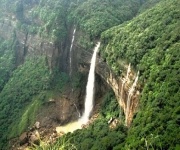
Kynrem Falls is one of the most notable features visible from the vicinity. The waterfall descends in several stages through a forested landscape, although its appearance depends on rainfall and atmospheric conditions. Carrying binoculars can make the distant details easier to appreciate, while a wide-angle camera lens helps capture the scale of the scene.
The park is also a pleasant place to observe Meghalaya’s vegetation. Ferns, grasses, moss, shrubs, and tall trees thrive in the damp climate. Birds may be active around quieter edges of the grounds, so visitors who move slowly and avoid loud conversation have a better chance of noticing them.
Best time for a clear and colourful visit
The monsoon, usually from June to September, gives Sohra its most powerful waterfalls and deepest greens. It also brings heavy rain, low cloud, slippery paths, and frequent changes in visibility. Thangkharang Park can look spectacular in mist, but a full panoramic view is never guaranteed during the wettest weeks.
October to November is often a strong period for combining landscape views with comfortable sightseeing. Rainfall begins to reduce, the vegetation remains fresh, and the air may become clearer. December to February tends to offer cooler, drier conditions and good visibility, although mornings can feel cold and some distant views may still be softened by haze.
March to May brings pleasant greenery and occasional showers. Light can be attractive during this period, particularly when broken clouds create alternating patches of sun and shade across the hills. Travellers should still keep rain protection close because weather in Sohra can change within a short time.
For photography, early morning and late afternoon can produce softer light than midday. The golden hour photography tips are useful when planning a broader landscape photography day around Cherrapunjee. Sunset colour is possible, but clouds and the direction of the viewpoint mean that conditions should be treated as a bonus rather than a certainty.
Planning the visit around nearby attractions
Thangkharang Park works best as part of a route rather than as an isolated excursion. A common sightseeing plan begins with an early departure from Shillong, continues through the main viewpoints and caves near Sohra, and ends with a return to Cherrapunjee or an overnight stay in the area. Travellers staying locally can take a slower approach and adjust the order according to the weather.
Seven Sisters Falls, also called Nohsngithiang Falls, is a natural companion to this visit. The waterfall viewpoint is close enough to fit into the same day, although the falls may be hidden by cloud during the rainy season. Mawsmai Cave offers a different experience, with narrow limestone passages and a short, active walk. Visitors who prefer a longer exploration can consider Arwah Cave, where the route is more uneven and requires additional time.
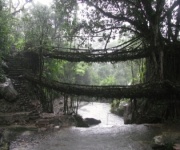
Other possible additions include Eco Park, Dainthlen Falls, Wei Sawdong Falls, and selected living root bridge locations. These attractions do not all lie in the same direction, so a realistic route matters. Trying to cover every site in one day can make the schedule rushed, particularly when rain slows traffic or walking.
A two-night or three-night Cherrapunjee stay provides greater flexibility than a day trip from Shillong. It allows visitors to return to viewpoints when clouds lift, spend more time at caves and waterfalls, and avoid making every stop dependent on one long driving day.
| Visit detail | Practical guidance |
|---|---|
| Location | Around 12 kilometres from central Sohra, subject to the route taken |
| Suggested time | About 45–60 minutes, or longer for photography and relaxed walks |
| Main attraction | Elevated views across valleys, forested slopes, and the Bangladesh plains |
| Nearby feature | Kynrem Falls, visible from the park area in suitable conditions |
| Best visibility | Often during drier months, especially after a clear morning |
| Monsoon experience | Fuller waterfalls and vivid greenery, with possible mist and rain |
| Transport | Local taxi, private vehicle, or an organised Cherrapunjee tour |
| Useful clothing | Light layers, waterproof outerwear, and shoes with good grip |
| Facilities | Basic visitor facilities may be available, but travellers should carry water and essentials |
| Timing note | Check local opening information and weather before setting out |
What to bring and how to stay comfortable
Comfort begins with footwear. Paths around viewpoints may be damp, uneven, or muddy after rain, so trainers with a firm sole or lightweight trekking shoes are more practical than smooth sandals. A compact umbrella or waterproof jacket is valuable even when the morning begins in sunshine.
Temperatures can feel cooler at the viewpoint than expected, particularly when wind and mist arrive. Pack a light fleece or warm layer, along with quick-drying clothing. A hat and sunscreen are useful in bright weather because highland sunlight can feel strong even when the air remains cool.
Bring drinking water, small snacks, personal medicines, and a power bank. Food choices near individual attractions may be limited, and mobile coverage can vary along hill roads. Keep waste with you until reaching a suitable bin, and avoid leaving plastic or food scraps in the park.
Photography equipment should be protected from moisture. A phone can capture excellent images, but a lens cloth and a waterproof pouch are helpful in shifting conditions. Travellers carrying a camera should bring spare batteries, since cool temperatures and repeated use of autofocus can reduce battery life.
The Cherrapunjee photo album offers visual reference for the region’s waterfalls, landscapes, and atmospheric hill scenery before you plan your route. It can also help set realistic expectations: mist is part of the character of Sohra, and a cloudy visit can still produce memorable images.
Responsible sightseeing at the park
Thangkharang Park is a scenic public space, but its viewpoint lies close to steep terrain. Stay behind railings and marked boundaries, especially when taking photographs. Wet rock and moss can be deceptively slippery, and leaning over edges for a better angle creates unnecessary risk.
Keep voices low near wooded areas and do not feed birds or other wildlife. Native plants are part of the landscape, so avoid picking flowers, breaking branches, or walking into planted sections. During busy periods, allowing other visitors space at viewpoints makes the experience safer and more enjoyable for everyone.
Rain can affect visibility within minutes. If the valley disappears under cloud, wait for a while rather than assuming the view is lost. However, do not remain in exposed areas during lightning, strong wind, or heavy rainfall. Drivers should also allow extra time because wet roads and tourist traffic can slow the return journey.
A few simple habits make the visit more respectful and practical:
- Carry reusable water bottles and take all packaging back with you.
- Use designated paths, viewing platforms, and parking areas.
- Ask before photographing local residents, guides, or vendors.
- Keep a flexible schedule so weather does not encourage unsafe rushing.
- Support local drivers, accommodation providers, and small businesses where possible.
Turning the viewpoint into a complete Sohra experience
A visit to Thangkharang Park can be short, but its setting deserves a place in a thoughtfully paced Meghalaya itinerary. Travellers interested in waterfalls may prefer the monsoon or the weeks immediately after it. Those prioritising long-distance views and comfortable road conditions may favour the drier months. Families and older travellers can enjoy the park without a demanding trek, while photographers may want to combine it with several nearby viewpoints.
Staying in a Cherrapunjee resort or hotel makes it easier to begin early, avoid a late return to Shillong, and respond to changing visibility. Multi-day packages ranging from two to seven nights can also combine Sohra with Shillong, Dawki, Mawlynnong, caves, waterfalls, and living root bridges. The right duration depends on whether the priority is relaxed sightseeing, outdoor activity, photography, or a broad Meghalaya tour.
When arranging transport, confirm whether the quoted fare includes parking, waiting time, and all planned attractions. Ask about seasonal road access before including remote waterfalls or longer walks. Local knowledge is particularly valuable during heavy rain, when route conditions and attraction access may change.
Add Thangkharang Park to your Cherrapunjee travel plans through a route that leaves room for weather and unhurried views. Contact India Beacons Sojourn through Cherrapunjee.net to arrange a suitable stay, vehicle, or Meghalaya vacation package and experience Sohra’s panoramic landscapes with practical local support.