





The Best Cafés and Eateries in Cherrapunjee for Local Khasi Food
Food is an important part of experiencing Cherrapunjee, also known as Sohra. The highland town is famous for rain, waterfalls, caves and living root bridges, yet its kitchens offer an equally memorable way to understand Meghalaya. Khasi cooking is shaped by mountain weather, family traditions, forest produce and a preference for fresh, uncomplicated flavours.
Visitors will find a mixture of small restaurants, hotel dining rooms, roadside stalls and cafés with views across misty valleys. Some places are designed for tourists and provide familiar Indian or continental meals, while others focus on regional dishes such as jadoh, doh khleh, tungrymbai and bamboo-shoot preparations.
Opening hours can change with the season, and a few popular places may close between lunch and dinner. A flexible food itinerary works best, especially when rain affects driving times. Carrying some cash is also useful because smaller eateries may not accept cards or digital payments consistently.
Start with Khasi flavours
Khasi food often highlights the natural taste of meat, rice, fermented beans, sesame, herbs and seasonal vegetables. Pork is particularly common, while chicken, fish and beef may appear on menus depending on the restaurant. Preparations are usually less creamy than many North Indian dishes and may use local chillies for heat without relying on heavy spice blends.
Jadoh is one of the dishes most visitors hope to try. It combines red rice with meat, traditionally pork, and is served as a hearty meal rather than a delicate tasting portion. Doh khleh is a pork salad generally mixed with onion, green chilli and herbs. It is simple, rich and noticeably different from the cooked gravies commonly found elsewhere in India.
Tungrymbai is made from fermented soybeans and has an earthy, savoury character. Bamboo shoot dishes bring a sharp, lightly sour note, while smoked meat reflects Meghalaya’s cool, wet climate. Rice cakes, local pickles and seasonal greens may also appear as side dishes. Asking the server how a dish is prepared helps diners choose according to spice tolerance and preference.
Cafés and restaurants worth seeking out
Café Cherrapunjee is a convenient stop for travellers looking for a comfortable setting, hot drinks and a broad menu. It is often associated with the sightseeing circuit because it suits a break between viewpoints and waterfalls. Alongside snacks and familiar café dishes, diners may find regional options or Meghalaya-inspired plates, making it a useful first stop for understanding local flavours without committing to an unfamiliar meal.
Orange Roots is another frequently mentioned dining destination in Sohra. Its menu has a wider Indian and multi-cuisine character, but it is valued by visitors who want a reliable meal after exploring the surrounding attractions. Regional food availability can vary, so diners interested in Khasi dishes should ask what is freshly prepared that day rather than relying only on the printed menu.
Small local restaurants around the market area can offer a more direct taste of everyday eating. These modest establishments may have fewer seats, shorter menus and limited English descriptions, but that is often where diners encounter rice plates, pork preparations, dal, vegetables and local pickles in a more homestyle format. A busy room at lunchtime is usually a useful indication that the kitchen is serving fresh food.
Hotel restaurants and resort dining rooms are practical for guests staying outside the central town. They tend to provide advance-order meals, which is helpful when a dish requires slow cooking or fermentation. Travellers following a longer itinerary can also request a Khasi dinner from their accommodation, giving the kitchen time to source ingredients and prepare suitable portions.
A guide to ordering local dishes
A good first meal can combine one familiar item with one regional speciality. For example, steamed rice and a vegetable side can be paired with doh khleh or a pork curry. This approach lets visitors experience local food without ordering an entire meal of unfamiliar flavours. Portions are often generous, so sharing several dishes is an efficient way to explore.
Jadoh is an excellent choice for travellers who enjoy rice-based meals and pork. Those who prefer lighter food can look for chicken with local herbs, steamed vegetables or fish preparations. Tungrymbai is more distinctive and may appeal to diners who enjoy fermented foods. It is worth asking whether bamboo shoot or fermented soybean is included, since these ingredients have strong flavours that some people may find intense.
Breakfast menus usually lean towards tea, coffee, toast, eggs, noodles or Indian staples, although local options may be available with advance notice. Lunch is generally the best time to find a broader selection of traditional dishes. In the evening, some kitchens reduce their menu, particularly during quieter weekdays or heavy rain.
Compare the main dining styles
Choosing where to eat depends on whether the priority is a regional recipe, a valley view, quick service or a comfortable setting. The most atmospheric cafés may serve a mixed menu, while the smallest local eateries can provide a stronger connection to everyday Khasi dining. There is no need to choose only one style during a stay.
The following guide gives a practical sense of what each option offers. Menus, prices and availability change, so it is sensible to confirm the day’s choices before ordering.
| Dining option | Best for | What to look for | Useful planning note |
|---|---|---|---|
| Café in central Sohra | Coffee, snacks and a relaxed break | Local-inspired plates, tea and light meals | Convenient between sightseeing stops |
| Local market eatery | Everyday Khasi-style food | Rice plates, pork, greens and pickles | Carry cash and expect simple seating |
| Hotel or resort restaurant | Advance orders and comfort | Jadoh, bamboo-shoot dishes or regional thalis | Request local dishes before mealtime |
| Viewpoint café | Scenery with a quick meal | Tea, noodles, snacks and mixed cuisine | Weather can affect outdoor seating |
| Roadside food stall | Fast, informal eating | Fried snacks, rice dishes and seasonal items | Check freshness and busy service periods |
| Multi-cuisine restaurant | Group dining and familiar choices | Indian, Chinese and regional dishes | Good for mixed dietary preferences |
Eat around the sightseeing schedule
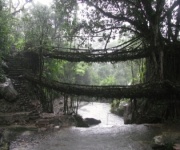
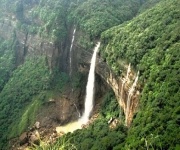
Sohra’s attractions are spread across a wide area, so meals should be planned around driving rather than treated as brief stops between every viewpoint. Nohkalikai Falls, Mawsmai Cave, Arwah Cave, Seven Sisters Falls and the living root bridges may each require different amounts of time. A café near the town centre is useful before or after an outing, while a packed lunch may be more practical for remote areas.
Travellers arranging several days in Meghalaya can build meals into a wider route instead of returning to the same restaurant each evening. A four-night package can provide a framework for combining Sohra’s major sights with market meals, resort dinners and slower café visits. Confirming the route with the operator may also reveal opportunities to request local food in advance.
The town becomes quieter after dark, and rain can make short journeys slower than expected. If dinner is important, inform the hotel or driver earlier in the day. This is especially helpful for dishes made with pork, fermented soybean or bamboo shoot, since a kitchen may not prepare them continuously.
Find the right atmosphere for your trip
Cafés in Cherrapunjee are often as memorable for their setting as for their menus. Mist moving across the hills, wet roads and cool air create a different dining experience from the busy streets of Shillong or Guwahati. A hot cup of tea with a simple snack can be worthwhile even when the meal itself is not elaborate.
Solo travellers may prefer places with counter seating, clear menus and a steady flow of guests. Families often value spacious restaurants where children can choose noodles, rice, vegetables or familiar Indian dishes alongside regional food. Couples and small groups may enjoy a resort dining room or a viewpoint café where the pace is slower.
A traveller’s account of a solo traveller’s experience can also help visitors picture the practical side of exploring Sohra independently. Personal travel stories are useful for understanding road conditions, local interactions and the rhythm of a day in the hills, all of which influence when and where to eat.
Practical tips for a better meal
Local dining in Meghalaya rewards patience and clear communication. A dish described as mildly spicy can still contain fresh green chilli, while “local food” may refer to several different recipes depending on the kitchen. If you have allergies or dietary restrictions, explain them before ordering and ask about fermented ingredients, meat stock and sauces.
Vegetarians have options, although a menu may not always label them in detail. Rice, dal, seasonal greens, potatoes, eggs and vegetable preparations are commonly available, but strict vegans should confirm whether butter, milk or meat stock is used. Travellers with sensitive stomachs can begin with freshly cooked rice, vegetables and milder dishes before trying fermented or smoked specialities.
A few habits make the food trail easier:
- Carry small cash denominations for market stalls and modest restaurants.
- Ask which Khasi dishes are available fresh that day.
- Order slowly and share unfamiliar specialities before choosing larger portions.
- Keep a reusable water bottle and follow normal food and water precautions.
- Allow extra time for meals when rain, traffic or hillside roads affect the schedule.
Local ingredients may be seasonal, so a dish mentioned in a travel guide is not guaranteed on every visit. Rather than treating this as a disappointment, consider it part of the experience: the menu often reflects what the kitchen can source that day. Staff may recommend a substitute that is equally representative of the region.
Make food part of the Cherrapunjee journey
The most rewarding food itinerary combines several types of dining. Begin with a comfortable café meal, try a traditional rice and meat dish at a local restaurant, and arrange a regional dinner at your resort or hotel. This creates a balanced experience that includes Khasi cooking, practical sightseeing breaks and the distinctive atmosphere of the plateau.
Keep one meal flexible for an unexpected find near the market or along the road. A small eatery with a short menu may become the highlight of the trip, especially when the food is freshly cooked and shared with local diners. Travellers should also respect local customs, avoid wasting food and ask permission before photographing people or kitchen activity.
Plan your Cherrapunjee stay with time for the region’s flavours as well as its waterfalls, caves and bridges. Contact a local tour provider to arrange transport, accommodation and meal preferences, then set out ready to taste Sohra one thoughtful plate at a time.