





The best cafes and local eateries in Cherrapunjee
Cherrapunjee, also known as Sohra or Cherrapunji, is celebrated for misty escarpments, living root bridges, waterfalls and caves. Its food scene is quieter than those of India’s larger hill stations, yet that is part of its appeal. Meals here are often closely tied to local produce, Khasi cooking traditions, family-run kitchens and the unhurried rhythm of a highland town.
The best places to eat are spread between the main market, scenic roads and individual resorts. Some are designed for travellers seeking coffee, snacks and a view, while others serve filling Khasi meals with rice, pork, chicken, fish and seasonal vegetables. A little flexibility is useful because opening hours can change with weather, visitor numbers and local supply.
A food-focused visit to Sohra works especially well when combined with sightseeing. A warm drink after exploring a cave, a simple lunch before a waterfall walk or an early dinner after visiting a root bridge can make the day feel more comfortable and complete.
Getting to know Sohra’s food culture
Khasi cuisine is generally hearty, earthy and practical. Rice is a staple, while pork is one of the most recognizable ingredients in local cooking. Dohneiihong, a pork dish prepared with black sesame, is a popular example of the region’s distinctive flavours. Jadoh, a rice and meat preparation associated with Meghalaya, may also appear on local menus, although recipes vary between kitchens.
Other dishes worth looking for include tungrymbai, fermented soybean paste, smoked meats, bamboo shoot preparations and dal with locally available vegetables. Some foods have a strong fermented or smoky character, so visitors who prefer mild flavours can begin with rice, vegetable sides, chicken curry or egg dishes.
Breakfast in Cherrapunjee is often straightforward: tea or coffee, bread, eggs, noodles, momos or a local rice-based option. Lunch is usually the most reliable time to try a more substantial regional meal. In the evening, resort restaurants and hotel dining rooms can be useful because independent eateries may close earlier than visitors expect.
Cafes for coffee, snacks and views
Several cafés and casual restaurants around Sohra cater to travellers who want a relaxed break between attractions. Orange Roots is widely known as a convenient stop for regional food and refreshments, particularly for visitors travelling along the main sightseeing routes. It is a practical place to sample Meghalaya-inspired dishes without committing to a long restaurant meal.
Small cafés near the town centre and along busy roads commonly serve tea, coffee, noodles, sandwiches, pakoras, momos and baked snacks. Their character can be modest rather than polished, but the combination of hot food and cool, damp weather is often exactly what a sightseeing day requires. Look for busy dining rooms, fresh turnover and menus that include local dishes alongside familiar options.
Some accommodation properties also operate attractive cafés or dining lounges. These are useful when the weather is wet, visibility is low or the day’s itinerary has taken longer than expected. Resort cafés may offer cakes, hot chocolate and more extensive breakfast menus, while their restaurants typically provide Indian, Chinese and regional meals.
For the best atmosphere, choose a café during late morning or mid-afternoon. This leaves enough time for food preparation and avoids the rush created when several sightseeing groups arrive at once. A window seat or covered terrace can be especially rewarding when clouds move across the valleys.
Local meals worth seeking out
A proper Khasi meal is one of the most worthwhile culinary experiences in Cherrapunjee. Ask whether the kitchen can prepare a local thali or a regional set meal. Depending on availability, this may include rice, pork or chicken, dal, seasonal greens, chutney and a soup or broth. The portions are usually satisfying and the flavours reflect the ingredients available in the surrounding hills.
Pork with black sesame is a particularly memorable choice for visitors who enjoy rich, savoury dishes. Bamboo shoot and fermented soybean preparations offer a more distinctive taste, while smoked meat brings a deeper flavour that suits the cool climate. Vegetarian travellers can usually find rice, dal, mixed vegetables, paneer, noodles and fried snacks, although the variety may be narrower in small establishments.
Sohra’s markets and roadside food stops can also be useful for quick bites. Momos, steamed or fried snacks, roasted corn when in season, tea and simple noodle dishes are convenient between visits to waterfalls and viewpoints. Carrying a small supply of snacks remains sensible, especially for longer walks where there may be no shop near the trail.
Food preferences should be explained clearly when ordering. “Less spicy” does not always mean the same thing in every kitchen, and pork is common in local cooking. Travellers with allergies should ask about fermented ingredients, sesame, bamboo shoot, dairy and cooking oils before placing an order.
| Dining option | Best for | What to try | Useful timing |
|---|---|---|---|
| Local Khasi restaurant | A regional lunch or dinner | Jadoh, dohneiihong, rice and vegetable sides | Midday or early evening |
| Roadside eatery | Quick, affordable food | Momos, noodles, tea and pakoras | Between sightseeing stops |
| Café | Coffee, snacks and a short break | Tea, coffee, sandwiches and baked items | Late morning or afternoon |
| Resort restaurant | Comfortable dining in poor weather | Indian, Chinese and local set meals | Breakfast and dinner |
| Market food stop | Informal tasting and refreshments | Seasonal snacks and simple meals | During market hours |
Dining near waterfalls, caves and root bridges
Many visitors plan meals around Cherrapunjee’s major attractions rather than around restaurant names. The road network connects viewpoints, waterfalls, caves and villages, but distances can take longer than they appear on a map. Rain, winding roads and short photo stops all add time, so a packed lunch or early meal can prevent an inconvenient search for food later.
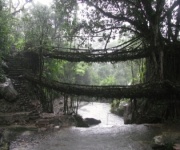
A visit to the living root bridges usually involves walking, steps and uneven terrain. A filling breakfast is helpful, while portable snacks and water are important for the trail. Travellers interested in the natural history and seasonal appearance of these remarkable structures can read about living root bridges before setting out. The information can help with timing and expectations, especially during the rainy season.
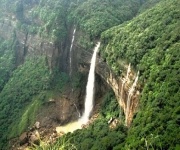
Near major waterfalls, food choices may be limited to small stalls or simple local establishments. These can be enjoyable, but hygiene standards and menus vary. Choose freshly cooked items, avoid food that has been sitting uncovered for a long period, and carry hand sanitiser. Bottled or filtered water is the safer choice if you are uncertain about the source.
Caves and forest attractions often occupy a full morning or afternoon. Rather than waiting until everyone is hungry, arrange a meal stop with your driver or guide in advance. A local guide can often identify a family-run kitchen or a dependable restaurant that is not prominent on travel websites.
Practical tips for eating in Cherrapunjee
Weather has a direct effect on dining plans. Heavy rain can slow traffic, reduce outdoor seating and delay deliveries. During the monsoon, keep an extra snack in your day bag and avoid scheduling a restaurant on the opposite side of town immediately after a long trek. Warm clothing is useful too, since a café that feels comfortable at noon may become chilly after sunset.
Opening hours are less standardized than in major cities. Some eateries close once the lunch crowd has left, while others open mainly for dinner guests staying at nearby hotels. If you have a specific restaurant in mind, ask your accommodation to call ahead. This is particularly important for early breakfasts, larger groups and meals requiring local ingredients.
Payment may be easiest with cash, especially at roadside stalls and small family-run restaurants. Larger hotels and established restaurants may accept digital payments or cards, but network coverage can be inconsistent. Carrying smaller notes makes it simpler to pay for tea, snacks and short local rides.
Tipping is not always expected at informal eateries, though rounding up or leaving a modest amount is appreciated for attentive service. Keep expectations realistic: in a small hill destination, fresh food, a warm dining room and a good view may matter more than elaborate presentation.
Choosing where to eat during a longer stay
A two- or three-night visit can cover the principal cafés, a local restaurant meal and one or two resort dinners. Longer stays allow more variety. You can dedicate one day to food near the main town, another to meals arranged around the southern attractions and a third to relaxed dining at your accommodation.
Breakfast at the hotel is often the most efficient choice before an early departure. Eat lunch close to the day’s main activity, then return to town or your resort for dinner. This approach leaves room for changing weather and avoids spending valuable sightseeing time travelling solely for a meal.
Travellers booking a multi-day itinerary can also request dietary preferences in advance. Vegetarian, Jain, low-spice and child-friendly meals may be possible when the kitchen has notice. The range of options is usually better at larger resorts and hotels than at small roadside eateries, where the menu may depend on what has been prepared that day.
A seven-day stay gives visitors time to experience both regional food and familiar comfort dishes. The 6N-7D Cherrapunji package can provide a useful framework for combining sightseeing, accommodation and meal planning across several days. Speak with the tour provider about restaurant stops, packed lunches and the best places to eat along the planned route.
Simple ways to plan a satisfying food trail
A good Cherrapunjee food itinerary should balance local discovery with convenience. Not every meal needs to be a destination experience; sometimes a cup of tea beside a misty road or a hot plate of noodles after a wet walk becomes the most memorable stop.
Use these practical recommendations:
- Try at least one traditional Khasi meal featuring rice, pork or seasonal vegetables.
- Keep snacks and drinking water with you during waterfall, cave and root bridge excursions.
- Ask your hotel or driver about current opening hours before travelling to a specific eatery.
- Carry cash in smaller denominations for roadside stalls and family-run kitchens.
- Tell the server about allergies, dietary restrictions and preferred spice levels before ordering.
The most enjoyable meals in Sohra are often connected to the day around them. A regional lunch tastes better after a forest walk, and a simple coffee feels special when clouds are lifting from the plateau. Allow extra travel time, stay open to changing menus and treat local recommendations as part of the experience.
When arranging a Cherrapunjee holiday, include meal preferences and planned food stops in the booking conversation with India Beacons Sojourn. Contact Cherrapunjee.net to organize a suitable tour package, accommodation and sightseeing schedule that leaves room for the cafés, local kitchens and memorable regional dishes that make a stay in Sohra feel personal.