



Monsoon Photography Spots Across Cherrapunjee
The Best Spots for a Monsoon Photography Session in Cherrapunjee are chosen for atmosphere as much as geography. During the southwest monsoon, waterfalls become silver ribbons, cloud gathers around forested ridges, and rain-darkened limestone reflects soft light. The wet season offers moody landscapes, saturated greens and images of people moving through mist that dry-season sunshine cannot reproduce.
Australian photographers usually fly into Guwahati from Sydney, Melbourne, Brisbane or Perth, then make a long road transfer into Meghalaya. Sohra or Cherrapunjee is the local name; using both when confirming pickups avoids confusion with the map variants Cherrapunji and Cherrapunjee. Driving is on the left, as in Australia, but monsoon roads deserve a cautious local driver.
Rain, Mist and Shifting Light
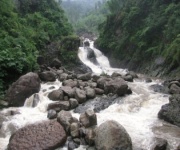
Cherrapunjee’s photogenic reputation is earned during the wet season, when clouds pour over the hills and temporary streams become powerful cascades. Rainfall may be intermittent rather than continuous, creating windows of directional light between showers. Early morning often offers the cleanest atmosphere, with low cloud sitting among the trees and wet surfaces intensifying every shade of green.
Rain does not make every frame dramatic. Shelter beneath a broadleaf tree, include a colourful umbrella, or wait near a tea stall while mist rolls across the road. A local market offers candid details such as woven baskets, produce, rainproof clothing and Khasi life without requiring a long expedition. Ask before making close portraits, particularly of children, and avoid treating people as background scenery.
A weather-sealed camera, lens hood and microfibre cloth should remain accessible rather than buried in a bag. Keep a dry pouch for the body and a separate towel for the tripod, and change lenses only in a sheltered area. Current advice is more useful than assumptions about Australian roaming, so consult the mobile connectivity guide, download offline maps and agree on a meeting point before setting off in heavy rain.
Nohkalikai Falls at Full Flow
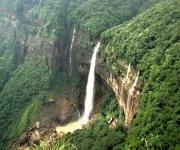
Nohkalikai Falls is the headline subject for many visitors, with water plunging roughly 315 metres into a deep, forested gorge. During peak monsoon, the single narrow cascade can spread into a broad white curtain before disappearing into spray. The official viewing areas provide the safest perspectives; moving closer to the lip in an attempt to fill the frame with falling water can expose you to unstable ground and severe weather.
A moderately wide lens works well for the complete drop, while a longer focal length isolates the upper channel and compresses the surrounding cliffs into layered textures. Fast shutter speeds help retain detail in the white water, and placing a dark evergreen tree along one edge gives the falls greater visual weight. Mist may soften the lower gorge completely, so wait for a brief clearing rather than expecting the classic sharp-edged waterfall image.
Access can change with rainfall, falling branches and local safety notices. Some trails close when runoff becomes dangerous, and the gorge can attract stronger currents than the viewpoint suggests. Photographing from the designated platform is not a compromise; it allows time to watch the water shift from a thin silver line to a forceful cascade. A simple vertical composition can convey the scale more convincingly than an ultra-wide image.
Arwah Cave and Limestone Light
Arwah Cave offers a completely different form of monsoon photography. Daylight enters through openings in the limestone roof and illuminates formations that would otherwise remain dark, revealing wet walls, hanging stalactites and pale mineral deposits. The main passages are accessible by stairs and managed walkways, although heavy rain can alter visitor routes or close sections where water enters from above.
Krem Liat Prah, a more demanding cave nearby, contains narrow passages, flowing water and dramatic chambers. Local guides are normally required, and personal lighting is needed for sections beyond the main cave. A small tripod can help with longer exposures, but strong LED lights and high ISO settings often produce a more practical record. Avoid switching on a bright flash near guides or visitors, as the reflected light is startling in such a confined space.
Cave photography demands respect for both safety and geology. Do not touch formations, move barriers or enter closed passages, and check whether photography requires permission at the current site. Waterproof hiking shoes with good grip are more useful than fashion footwear, while a transparent rain cover protects the camera bag without blocking controls. Keep spare batteries dry and allow condensation to dissipate before opening the battery compartment after leaving the cave.
Daw Falls and the Waterfall Circuit
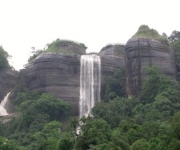
Daw Falls has a more intimate appearance than Nohkalikai, with several tiers of water stepping down through dense vegetation. The surrounding cliff remains dark and saturated during rain, making it ideal for long exposures and layered compositions. This location works especially well for photographers who want waterfalls without the largest crowds, provided access remains open and the route is not flooded.
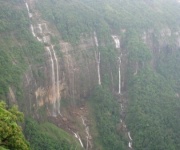
Nearby Seven Sisters, Bishops Falls, Elephant Falls and Lyngksiar Falls each offer a different rhythm. Seven Sisters spreads across a wide cliff, Rainbow Falls creates a shifting veil in front of rock, and Elephant Falls divides into several channels after heavy rain. Moving between viewpoints is useful, yet monsoon travel rewards patience: the same location can change substantially within an hour as water collects, drains or is hidden by cloud.
Trails become slippery long before they look dangerous, and shallow water may hide holes or unstable stones. Stay on established paths, never cross a stream above the knees and retreat immediately if runoff turns brown or starts rising. Lightweight rain boots can handle wet ground, although the natural environment contains leeches, so prepare for minor bites rather than relying on footwear alone. A clean lens cloth is essential after every stop.
Living Root Bridges and Local Life
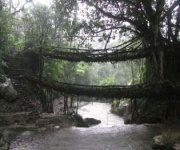
The living root bridges provide a striking counterpoint to the waterfalls. Fine aerial roots are woven across streams and trained over generations, with moss and small plants turning their structures into part of the surrounding forest. Nongriat, with its double-decker bridge, is the best-known example, while Rimbeng and other community-managed bridges offer quieter scenes and a closer relationship with the landscape.
The road to Nongriat is scenic in dry weather but can become a demanding series of bends and slippery surfaces during the monsoon. Allow extra time, avoid leaving the vehicle in unstable areas and check local conditions before travelling with heavy camera equipment. The bridge itself is best photographed from downstream, where the arch, reflected trees and moving water can all form part of the frame. A polarising filter may reduce surface glare, although it can also make uneven skies look excessively dark.
Khasi is the main local language, while English is widely used around tourism facilities. Names such as Sohra, Nohkalikai and Nongriat should be repeated carefully when speaking to drivers and guides. Monsoon days also involve long waits between showers, making a warming meal at the resort useful. Khasi dishes such as jadoh, smoked pork and black sesame cake reflect the region’s agricultural traditions. For a cross-regional perspective on tropical travel food, the Thai food guide offers another example of how climate shapes menus and local dining habits.
Planning a Photographable Monsoon Itinerary
A two- or three-night stay is enough for the principal waterfall and cave locations, while four nights allows time for weather delays, Nongriat and a slower working rhythm. Cherrapunjee.net promotes packages from two to seven nights, including accommodation, local transport and guided visits. For photography, a private vehicle and flexible driver are often more valuable than a fixed coach itinerary, because cloud and rainfall can require last-minute changes.
Australian travellers normally compare fares and package prices through online travel agencies, but specialist operators can arrange essential local knowledge. The southwest monsoon overlaps the Australian winter and some school-holiday periods, so accommodation and vehicles should be reserved early. Consider a travel policy that covers monsoon disruption, medical care and missed activities, and keep copies of the policy, passport and bookings accessible offline.
Indian e-visa rules depend on the passport and purpose of travel, so use the official government system rather than relying on outdated travel posts. Cherrapunjee is not normally among the restricted-entry states, although permissions and local site regulations should be confirmed before each trip. Australians use metric measurements and Celsius, but Indian sockets and power arrangements differ, making a universal plug adapter useful. Cards may work at established hotels and resorts, while small stalls, fuel stops and local guides can still require cash; UPI also needs an Indian payment setup.
Pack a rain cover, dry bags, microfibre cloths, spare batteries, a power bank, sturdy footwear and a small towel for equipment. On the camera, start around 1/250 second for individual droplets, use a tripod when the scene is stable, and raise ISO rather than allowing motion blur. Keep a weather app and local emergency numbers available, and follow closure notices without delay. A flexible schedule produces better photographs than trying to complete every attraction regardless of the rain.
Ready to experience Cherrapunjee during its most dramatic season? Contact India Beacons Sojourn through Cherrapunjee.net to discuss your preferred dates, accommodation, private transport, guide requirements and photography-focused places to visit. The team can help shape a two-night escape or a longer monsoon stay around the falls, caves, forests and living root bridges that best match your camera and travel pace.