




Scenic Picnic Spots Near Meghalaya’s Living Root Bridges
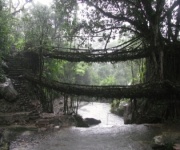
Few outdoor experiences in Meghalaya combine landscape, living heritage, and gentle adventure as beautifully as a picnic near a living root bridge. These remarkable structures are shaped from the aerial roots of rubber fig trees, guided across streams and strengthened over generations by local communities. They are functional footbridges, cultural landmarks, and memorable destinations for a day in the hills.
The best picnic location depends on the kind of outing you want. Nongriat offers a rewarding forest walk and dramatic waterfalls, while Riwai near Mawlynnong is easier to reach and better suited to a relaxed family stop. Some places are ideal for a packed lunch after sightseeing rather than for spreading out a large meal beside the bridge itself.
Weather, walking time, and local customs matter in the Cherrapunjee area. A clear morning can become wet within hours, and mossy paths may be slippery even when the sky is bright. With sensible planning, a picnic becomes a way to slow down and appreciate the forest instead of rushing between attractions.
Nongriat Village Beneath The Double-Decker Bridge
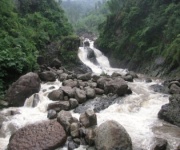
Nongriat is the most iconic choice for visitors who want to picnic near a living root bridge. The route begins at Tyrna and descends hundreds of steps through dense subtropical forest. Along the way, the trail crosses smaller bridges, passes village homes, and follows the sound of streams flowing through deep green valleys. The famous Double-Decker Living Root Bridge is reached after a demanding walk, so it is best treated as a full-day excursion.
There are small clearings and village areas around Nongriat where visitors can rest with food purchased or packed in advance. A simple meal of sandwiches, fruit, rice, or local snacks tastes especially satisfying after the descent. Choose a stable, designated-looking spot away from the bridge, homes, and streambanks, and ask locally before settling down if the area appears privately managed.
The bridge itself should remain a passage and a heritage structure rather than a dining platform. Avoid placing bags on the roots, blocking people crossing, or washing dishes in the stream. Visitors who want to combine a picnic with a swim can continue toward nearby pools and waterfalls, but water levels and currents should be assessed carefully, particularly during or after rain.
Riwai Bridge For An Easier Outing
The single-decker living root bridge at Riwai, close to Mawlynnong, is among the most convenient choices for a short picnic. The walk from the road is comparatively brief, although steps and uneven ground are still part of the route. The surrounding forest is peaceful, and the bridge crosses a clear stream in a setting that feels secluded without requiring the strenuous hike associated with Nongriat.
Riwai works well for families, older travellers who prefer a shorter walk, and visitors combining several East Khasi Hills attractions in one day. Pack a light meal and allow time to sit in the nearby village area or at an appropriate clearing. The best experience comes from arriving early, before the trail becomes busy, especially during weekends and holiday periods.
Mawlynnong is also known for its clean lanes, gardens, and village hospitality. Since the bridge lies within a living community rather than an isolated park, keep noise low and follow local directions. It is wise to carry small denominations for entry fees or local services and to purchase refreshments from nearby vendors when available, supporting the people who care for the area.
Mawlynnong And Nearby Village Landscapes
A picnic near Riwai can be extended into a broader Mawlynnong day trip. The village surroundings offer viewpoints, bamboo structures, forest paths, and open rural scenery. Rather than searching for a large lawn, look for a quiet, permitted place with firm ground and shade. Meghalaya’s terrain is steep and heavily vegetated, so natural open spaces may be limited.
This area is particularly attractive for travellers who prefer a gentle sightseeing schedule. A morning visit to the root bridge can be followed by lunch in or near Mawlynnong, then a walk through the village and a viewpoint stop. Keeping the meal away from the bridge reduces pressure on the fragile roots and allows other visitors to enjoy the crossing.
The broader region also shows why living root bridges should be approached as community heritage. They are maintained through patience, botanical knowledge, and customary care rather than manufactured and installed in a single project. A responsible picnic means carrying reusable containers, taking every wrapper home, and avoiding damage to plants, fences, streams, and cultivated areas.
Picnic Stops Around The Sohra Plateau
Travellers staying in Cherrapunjee, also called Sohra, can plan a picnic day around the wider landscape even when a living root bridge is not immediately beside the meal spot. The routes toward Tyrna and Nongriat pass through viewpoints, forest edges, villages, and stream valleys where a packed lunch can be enjoyed before or after the main trek. This approach is often more comfortable than carrying a full meal deep into the valley.
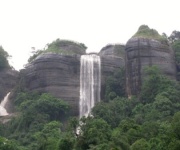
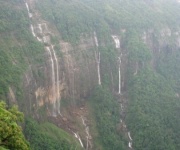
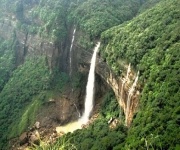
The Sohra region is also rich in waterfalls and caves. A picnic near a designated viewpoint or suitable visitor area can be paired with stops at attractions such as Nohkalikai Falls, Mawsmai Cave, or Arwah Cave, depending on the itinerary. These are scenic alternatives for travellers who want the atmosphere of a countryside lunch but cannot manage a long staircase descent.
Weather should guide the order of activities. On a dry morning, begin with the living root bridge walk and eat after returning toward the road. If rain is forecast, choose a sheltered restaurant, homestay, or resort meal instead of relying on an exposed viewpoint. Picnic plans near streams require particular caution because water levels can rise quickly in the wet season.
| Location | Walking Effort | Best For | Picnic Approach | Main Consideration |
|---|---|---|---|---|
| Nongriat and Double-Decker Bridge | High | Trekkers and active travellers | Carry a compact meal for a rest stop after the descent | Long return climb and slippery steps |
| Riwai Living Root Bridge | Low to moderate | Families and short day trips | Eat at a suitable village or forest clearing nearby | Respect community spaces and visitor flow |
| Mawlynnong Village Area | Low | Relaxed sightseeing and local culture | Combine a village meal with a short bridge visit | Open picnic lawns are limited |
| Tyrna Trail And Viewpoints | Moderate to high | Travellers wanting scenery before or after trekking | Stop at a safe viewpoint or roadside area | Do not obstruct residents or traffic |
| Sohra Attraction Circuit | Low to moderate | Mixed-age groups and flexible itineraries | Use approved viewpoints, cafés, or accommodation areas | Rain can change access and visibility |
What To Carry For A Comfortable Meal
A picnic near a root bridge should be light enough to carry over uneven trails. Reusable water bottles, compact food containers, a small sit mat, tissues, and a sealable waste bag are more practical than bulky baskets. Bring food that travels well without refrigeration, such as fruit, nuts, sandwiches, boiled eggs, local bread, or packed rice dishes purchased from a trusted eatery.
Good walking shoes are essential around Nongriat and useful at Riwai after rain. Add a lightweight rain jacket, a dry bag for phones and cameras, insect repellent, sunscreen, and basic first-aid supplies. A walking stick can help on steep or muddy sections, although it should never be used to strike or pull at tree roots.
Avoid glass bottles, disposable plastic cutlery, and foods that create strong odours or attract animals. Do not feed monkeys, birds, or other wildlife. If you are travelling with children, keep them close to stream edges and steps, and plan enough time for the return journey rather than treating the bridge as a quick roadside attraction.
Responsible Ways To Enjoy The Bridges
Living root bridges are still growing structures. Their roots may look sturdy, but repeated pressure, careless climbing, and trampling around the edges can cause gradual damage. Cross in small groups when possible, follow marked paths, and never hang from roots or add ropes, decorations, carvings, or personal items to the bridge.
Local residents may collect entry fees, manage paths, sell snacks, or provide guidance. Treat these arrangements as part of the destination’s community-based tourism system. Ask before photographing people, homes, or ceremonies, and dress respectfully when walking through villages. Learning a few words of greeting in the local context can make interactions warmer, though courtesy matters more than perfect pronunciation.
Use these practical habits when planning a root bridge picnic:
- Choose Riwai for a shorter, easier outing and Nongriat for a full trekking day.
- Carry reusable water and food containers, plus a dedicated bag for all waste.
- Eat in a permitted clearing rather than on the bridge, steps, or stream edge.
- Check rain, trail conditions, transport, and return time before leaving Sohra.
- Support village vendors and follow local instructions about access and photography.
Build The Picnic Into A Meghalaya Itinerary
A living root bridge visit fits naturally into a two- to seven-night Meghalaya holiday. Travellers based in Cherrapunjee can dedicate one day to the Tyrna–Nongriat route, another to waterfalls and caves, and a separate day to Mawlynnong and Riwai. This pace leaves room for weather changes and avoids turning every stop into a rushed photograph.
Visitors interested in unusual bridge landscapes may also enjoy the Mawryngkhang trek guide, although that experience has a different character from the living root bridges near Sohra. Mawryngkhang is known for dramatic rock formations, bamboo bridges, and exposed viewpoints, so it calls for the same attention to footwear, weather, and careful movement.
Accommodation can simplify the day considerably. A resort or hotel in Sohra can arrange an early vehicle, packed breakfast, local guide, or advice about current trail conditions. Those staying farther away should account for winding roads and longer transfers, particularly when visiting both Cherrapunjee and Mawlynnong in one trip.
The most rewarding picnic is rarely the most elaborate one. A modest meal, a shaded pause, and enough time to hear the stream can reveal more about Meghalaya than a hurried stop between attractions. Travellers who plan around the terrain and respect the communities will find that each bridge offers a distinct experience.
For route planning, accommodation coordination, or a tailored Meghalaya holiday, contact the team at Cherrapunjee.net. Build your day around the bridge that suits your walking ability, include time for the landscape beyond the crossing, and let the picnic become part of a thoughtful journey through Sohra.