





The Best Time For A Starry Sky Camping Experience
Cherrapunjee, also known as Sohra or Cherrapunji, is famous for dramatic waterfalls, misty valleys and some of the heaviest rainfall on Earth. Its highland setting also creates memorable nights outdoors, when breaks in the cloud reveal a wide field of stars above Meghalaya’s forested ridges. Choosing the right season is essential because the same landscape that produces spectacular waterfalls can quickly hide the sky.
For most travellers, the clearest period for an overnight camp is from November to February. These months generally bring lower rainfall, cooler air and better visibility after sunset. December and January are especially appealing for visitors who prefer crisp nights, while November can offer a little more flexibility before the busiest holiday period.
The dry season does not guarantee a cloudless sky every evening. Sohra’s weather can change quickly, and high humidity may leave a veil of cloud over the hills. A successful stargazing trip depends on several details working together: the lunar cycle, the short-term forecast, the chosen campsite and enough time in the itinerary to wait for a clear spell.
For Australians, the experience is a striking change from a familiar beach holiday or organised bush camp. Instead of a dry eucalyptus landscape, you will be sleeping among subtropical hills, limestone caves and living root bridges. The best results come from treating the night as part of a wider Meghalaya journey rather than as a rushed stop between attractions.
Choosing The Clearest Season
November through February is usually the strongest window for a starry night near Cherrapunjee. The post-monsoon landscape remains lush, but the persistent rain of June to September has eased. October can be a rewarding shoulder-season option, although residual showers and cloud may still affect visibility. By late November, conditions are often more settled and the air feels noticeably cooler after dark.
December and January tend to suit travellers who place clear skies above warm evenings. Temperatures can fall sharply compared with the daytime, particularly in exposed camps or on ridgelines. February is also attractive, with comfortable daytime sightseeing and longer evenings before the pre-monsoon weather begins to build.
March and April can still produce beautiful stargazing opportunities, especially after a clear day. However, rising humidity and occasional thunderstorms make the forecast more important. From May into September, cloud, rain and mist dominate the outlook. The monsoon creates spectacular falls and green scenery, but it is a less reliable period for sleeping outdoors beneath the stars.
How Moonlight Shapes The View
A dark sky is just as important as a clear sky. Around the new moon, the Milky Way and fainter constellations are easier to see because there is little natural light competing with them. The first and last quarters can provide a balanced experience, with enough moonlight to illuminate the hills while still allowing brighter stars to stand out.
Full-moon camping has a different appeal. The landscape may look beautiful across the valleys, and walking around camp can feel more comfortable, but the brightest stars will be washed out. Travellers keen on astrophotography should plan around the new moon and check when moonrise and moonset occur, rather than relying only on the moon phase shown in a calendar.
Urban Australians may notice the difference immediately. The glow over Sydney, Melbourne and Brisbane can obscure much of the night sky, even outside the city centre. In Meghalaya, selecting a campsite away from strong lamps and settlements can provide a much darker view. Ask the local operator about lighting near the tents and whether campfires or security lights remain on late.
Weather, Clouds And Night-Time Comfort
Sohra’s reputation for rain should shape expectations in every season. A dry-season forecast may show sunshine during the day but still bring low cloud after sunset. Check the outlook shortly before departure and keep a flexible evening schedule. If the sky closes in at 9 pm, it may clear later, so an early night is not always the best response.
Humidity can make cool temperatures feel clammy, while wind on an exposed plateau can make the same temperature feel much colder. A good campsite should offer some protection from prevailing wind and have a dry communal area where guests can wait out a passing shower. Waterproof ground protection matters even during the drier months because dew and brief rain can seep into poorly arranged bedding.
Australian campers often pack according to local bush conditions, but Meghalaya calls for a slightly different approach. A lightweight tent is useful, though organised camping providers generally supply the main shelter and bedding. Warm layers, dry socks and a rain shell remain valuable even during the peak viewing season. Avoid assuming that a mild afternoon means a mild midnight.
Where To Camp Around Sohra
The ideal location combines an open view with practical access, safety and minimal artificial light. Camps near valleys, village edges or forest clearings can provide excellent outlooks, but the darkest location is not automatically the best choice. Uneven ground, steep drops, slippery paths and sudden fog all need to be considered before setting up after sunset.
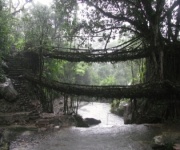
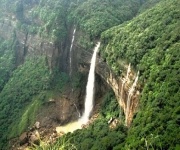
Many visitors combine a night outdoors with the area’s better-known attractions, including Nohkalikai Falls, Seven Sisters Falls, Mawsmai Cave and the living root bridges. Daylight should be used for walking and sightseeing, leaving enough time to reach camp before dark. Local guides can identify viewpoints that may not appear on standard online maps and can explain which paths become unsafe after rain.
Some nearby places have access or conservation requirements. Before adding a remote viewpoint, forest route or restricted location to your plans, read the permit guidance and confirm current arrangements with the tour operator. Rules can change, and a local guide may be required for areas that are not suitable for independent visitors.
Planning The Journey From Australia
Reaching Cherrapunjee usually involves flying from Australia to India, continuing to Guwahati and travelling by road into Meghalaya. The final drive is scenic but winding, so allow time for breaks rather than treating it as a quick transfer. A private vehicle or organised package is often more comfortable than trying to coordinate several local connections after a long international flight.
Australian travellers should allow for jet lag, Indian Standard Time and the practical difference between a large city airport and a hill destination. Carry some Indian rupees for small purchases, even if your accommodation accepts cards. Australian school-holiday periods, particularly December and January, can increase demand for flights, drivers and popular accommodation, so early booking is sensible.
A multi-day itinerary also provides a better chance of seeing stars because it gives you more than one evening. The seven-night itinerary can combine waterfalls, caves, viewpoints and village experiences with time for an overnight camp. This is more dependable than travelling into Sohra for one night and hoping that the weather happens to cooperate.
Packing For A Night Outdoors
Pack for variable conditions rather than a single forecast. A waterproof outer layer, fleece or insulated jacket, moisture-wicking clothing and spare socks will make the evening much more comfortable. Bring a head torch with spare batteries, a phone power bank, personal medication and a small dry bag for electronics.
Australian sunscreen, insect repellent and a reusable water bottle are useful during the daytime, even in cooler months. Good walking shoes with reliable grip are more practical than casual sneakers around wet rocks and cave approaches. A compact travel towel and lightweight sleepwear can also help if the campsite facilities are basic.
Avoid bringing a large hard suitcase into a remote camp. A soft duffel or backpack is easier to load into vehicles and carry over uneven paths. Keep valuables secure, respect requests about photography around villages and follow local guidance about food storage, waste and campfire use.
Practical Choices For A Better Camp
A memorable night depends on small decisions made before the trip. Choose a campsite with a clear horizon, ask about backup arrangements for rain and check whether bedding, meals and transport are included. Confirming these details prevents confusion when you arrive tired after a full day of sightseeing.
The following choices can improve your chances of seeing a genuinely dark sky:
- Travel between November and February for the most reliable dry-season conditions.
- Aim for the new moon or a night close to it when faint stars are the priority.
- Keep at least two nights in the area so cloud does not decide the entire experience.
- Ask for a campsite away from bright village, road and accommodation lighting.
- Carry warm layers, waterproof protection and dry bags for changing hill weather.
- Use a local guide for unfamiliar trails, restricted areas and after-dark movement.
Good planning should still leave room for the atmosphere of the place. Clouds rolling over the ridges, distant village lights and the sound of wind through the trees are part of a Cherrapunjee night, even when the stars disappear temporarily. A flexible attitude makes the trip enjoyable whether the sky is perfectly clear or briefly covered in mist.
The Australian camping market often focuses on self-sufficient gear, mapped campsites and predictable road access. In Sohra, the strongest experience may involve local knowledge, shared meals and a guide who understands the weather minute by minute. Choose an operator that explains what is included, supports nearby communities and treats the landscape carefully.
Plan your Cherrapunjee holiday around the dry-season window, a favourable moon phase and enough time to wait for the clouds to move. India Beacons Sojourn can help arrange accommodation, transfers, sightseeing and a camping-focused itinerary through the region. Begin planning early for travel between November and February so your Meghalaya journey has the best possible chance of ending beneath a clear, star-filled sky.