




Permits and Access Rules Around Cherrapunjee
Cherrapunjee, also known as Sohra or Cherrapunji, is easy to reach for most travelers, but some experiences around the town involve more than simply arriving at a viewpoint. Forest paths, border villages, caves, community-managed attractions, and remote trekking routes may have their own access rules. These controls protect fragile landscapes and give local authorities and communities a way to manage visitors.
For ordinary sightseeing in Sohra, Indian travelers generally do not need a special state entry permit. Meghalaya is not usually treated like states that require an Inner Line Permit for domestic visitors. However, this does not mean every trail, forest, village, or border-facing location is open without conditions.
International visitors should be especially careful with passports, visas, registration requirements, and route planning. Regulations can change, and a permission process may depend on the exact destination rather than the wider Cherrapunjee area. Checking with your hotel, tour operator, district authorities, or the relevant forest and community office before departure can prevent delays.
Start With the Difference Between Entry and Local Permission
A state entry document, a protected-area permit, a forest authorization, and a local visitor fee are separate matters. Travelers sometimes assume that having a valid ticket, visa, or hotel booking grants access everywhere. In practice, a trail may be open to the public while a particular cave chamber, reserve forest section, border track, or village event remains controlled.
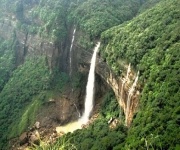
Most visitors staying in Cherrapunjee can explore popular attractions such as waterfalls, viewpoints, caves, and living root bridges through established routes. These places may charge an admission or maintenance fee, require a local guide, or close during heavy rain. Such arrangements are usually different from a formal government permit, but they should still be treated as part of the access requirements.
A local guide is particularly useful when a route crosses farmland, village land, or a forest area without clear signs. Guides can explain where visitors may walk, identify seasonal closures, and communicate with residents. Travelers who plan to visit a Khasi settlement should also review Khasi village etiquette before arriving, since respectful conduct supports continued community access.
Where Restrictions Are Most Likely
The most likely permission issues occur away from the standard tourist circuit. Areas close to the international border may have security controls, and some roads or viewpoints may be restricted during military activity, elections, severe weather, or other temporary events. Do not assume that a location shown on a map is legally or practically accessible.
Forest reserves and wildlife areas may require approval from the Meghalaya Forest Department, especially if you are organizing research, filming, commercial photography, camping, or a large group visit. A casual vacation photograph is generally treated differently from a professional production, but drones and other specialized equipment can attract additional scrutiny.
Caves also deserve careful attention. A ticket at a developed cave entrance may cover the visitor route, but it does not necessarily authorize exploration beyond marked sections. Remote caves can be hazardous, flood quickly, and lack rescue infrastructure. Never pass a locked gate, barrier, warning sign, or local instruction simply because the entrance appears close.
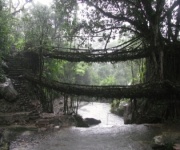
Living root bridges and rural trails are commonly reached through community-managed paths. Conditions may include a small contribution, a guide requirement, limits on group behavior, or a request to avoid certain areas during monsoon damage and restoration work. These requirements can change faster than printed travel information, so confirm them locally on the day of travel.
Documents and Permissions at a Glance
The correct paperwork depends on nationality, purpose, destination, and activity. The following guide describes common situations rather than replacing an official decision. A tour company can help identify the right office when a route requires written authorization.
| Travel situation | What is commonly needed | Where to confirm |
|---|---|---|
| Indian traveler visiting ordinary Sohra attractions | Government photo ID, hotel details, and attraction entry fees where applicable | Hotel, tour operator, attraction office |
| Foreign visitor on a normal Meghalaya itinerary | Passport, valid Indian visa or applicable travel authorization, accommodation details, and any required registration | Indian immigration guidance, hotel, local authorities |
| Visit near a sensitive border zone | Photo ID and possible route or security clearance | District administration, police, security authorities |
| Forest reserve, research, or organized group activity | Written forest or departmental permission may be required | Meghalaya Forest Department or district office |
| Commercial photography or filming | Prior authorization, equipment details, and possible fees | Relevant department, site authority, or district administration |
| Remote cave or community trail | Local guide, entry fee, route permission, and weather confirmation where applicable | Village committee, guide, attraction manager |
Foreign nationals should carry their passport and visa details rather than relying only on digital copies. Hotels may request these documents for registration, and officials may ask for them at checkpoints or during travel. It is wise to keep photocopies and secure digital backups while storing the original passport safely.
Some travelers may also need to register with the Foreigners Regional Registration Office, Foreigners Registration Office, or another designated authority, depending on their nationality, visa category, length of stay, and current Indian rules. The process can vary, so confirm requirements before entering Meghalaya instead of waiting until you reach a remote destination.
Rules for International Visitors
A foreign visitor usually does not need a special permit for an ordinary holiday in Cherrapunjee solely because the destination is in Meghalaya. However, visa conditions still apply, and the permitted activities must match the purpose stated in the travel documentation. Tourism, journalism, research, documentary production, and paid commercial work may have different requirements.
Visitors from certain countries or travelers entering specific sensitive zones may face additional scrutiny. Border areas, military installations, government facilities, and some infrastructure sites should never be photographed or approached casually. If a police officer, security official, forest guard, or local authority asks you to stop, follow the instruction and request clarification through your guide or accommodation provider.
Travelers carrying drones should make a separate compliance check. Drone use in India is regulated, and local restrictions can apply near airports, security installations, government buildings, borders, and populated areas. A scenic landscape does not automatically mean that aerial filming is allowed. Commercial cameras, lighting equipment, and large production crews may also require prior approval.
Keep your itinerary realistic when applying for any permission. Include names of destinations, travel dates, group size, vehicle details, guide information, equipment, and the purpose of the visit. Vague requests can take longer to process, while accurate information helps officials determine whether a route is suitable and whether another department must be consulted.
Respect Community and Conservation Controls
Many of the most memorable places around Sohra are connected to living communities rather than isolated tourist infrastructure. Village councils, local committees, landowners, and guides may help manage paths, parking, entry contributions, and visitor behavior. Their approval may be informal in some locations, but it remains important for responsible travel.
Ask before photographing people, homes, ceremonies, farms, private property, or religious spaces. Keep noise low, avoid touching plants or structures, and take all waste back with you. Do not remove stones, plant material, cave formations, or objects that appear insignificant. Small acts of care matter in landscapes where thousands of visitors may pass through during the year.
Weather can also create a temporary restriction. Intense rainfall may make a bridge, cave, waterfall path, or descent unsafe even if the attraction is officially open. A closure may be communicated by a village committee or guide rather than through a prominent government website. Treat those warnings as genuine safety instructions, not as an inconvenience to work around.
If you are traveling with a group, appoint one person to keep permission records and contact numbers. A simple file containing identity documents, booking confirmations, authorization letters, emergency contacts, and insurance information can be invaluable when mobile coverage is weak or plans change.
Planning Treks Beyond the Main Circuit
Remote treks near Cherrapunjee can pass through steep forest, slippery rock, streams, and isolated settlements. Some well-known routes do not require a formal advance permit for ordinary day visitors, yet they may still involve local entry charges, a guide, or temporary closure. The absence of a permit counter should not be interpreted as unrestricted access.
The route to Nongriat and its living root bridge is a good example of why preparation matters. Travelers need to account for a long descent and return climb, changing weather, limited facilities, and local guidance. A permit may not be the central issue, but physical readiness and respect for community rules are essential. For more demanding routes, review these challenging Cherrapunjee treks before committing to an itinerary.
Ask your guide whether the trail crosses private land, a reserve forest, or a village-managed area. Confirm the latest departure time, water availability, phone coverage, guide fee, and emergency procedure. Carry identification, a charged phone, rain protection, sturdy footwear, snacks, drinking water, and a small first-aid kit.
Monsoon travel requires additional caution. Landslides, swollen streams, falling rocks, and damaged footbridges can change access within hours. A tour operator may rearrange the itinerary or substitute a safer attraction when conditions deteriorate. This is a practical safety decision, even when no formal permit has been revoked.
Make Permission Checks Part of Your Booking
A well-organized Cherrapunjee vacation package should clarify which attractions are included, which fees are payable locally, and whether guides or transport are arranged. Before confirming a multi-day itinerary, ask the operator to identify any route that involves a forest department, border authority, community committee, or special visitor registration.
Request the name of the authority responsible for unusual access requirements and the expected processing time. Some permissions can be handled locally, while others need advance notice. Build flexibility into the schedule because a delayed approval, weather closure, or security restriction may make a planned excursion unavailable.
Use this checklist when preparing for a restricted or remote-area visit:
- Carry an original government photo ID or passport, plus secure copies.
- Confirm visa, registration, and foreign visitor requirements before arrival.
- Ask whether your exact route crosses forest, border, private, or community-managed land.
- Check guide, entry fee, photography, drone, and commercial filming rules separately.
- Reconfirm opening conditions and weather safety on the morning of the excursion.
A reputable local operator can also explain whether a requested document is genuinely necessary or whether a traveler has encountered a routine entry fee being described as a permit. Keep receipts and authorization letters, and share your day’s route with your accommodation provider when traveling beyond the main roads.
Access rules around Cherrapunjee are best handled as part of travel preparation rather than as an afterthought. Contact India Beacons Sojourn through Cherrapunjee.net to plan a suitable route, verify current permission requirements, and arrange a comfortable itinerary that respects local communities, conservation rules, and changing mountain conditions.