





The Best Time of Day to See Sunrises from the Sohra Escarpment
First light on the Sohra Escarpment is less a single moment than a slow reveal. Pale blue settles over the Bangladesh plains, the cliff edge warms before the surrounding forest, and a clear dawn can make the rain-soaked valleys feel suspended between Meghalaya’s hills and the distant horizon. Arrive well before sunrise and you can watch that reveal unfold; arrive at the recorded time and you may catch only the glare.
Timing matters because weather, season and viewpoint all shape the experience. The most rewarding window is usually the 30 to 45 minutes before the official sunrise, when colour is strongest and the air is often calmest. This guide explains when to travel, how to reach the right lookout and how to build the rest of the day around a successful morning.
For Australians, Meghalaya needs a little advance planning. Flights from Sydney or Melbourne usually connect through Delhi, Bengaluru or another Indian gateway, and the mountain roads are driven on the left. Once there, the reward is an early-morning vantage point, excellent local food and a landscape quite unlike the coast.
Why the Sohra Escarpment rewards early risers
Sohra sits at roughly 1,450 metres above sea level on Meghalaya’s southern plateau. Its eastern edge looks across the lowlands toward Bangladesh, giving the plateau an unusually open horizon. From this height, the sun can appear over the plains before nearby hills and valleys are fully illuminated. The escarpment also catches the first light across its forested ridges, creating layers of shadow and colour.
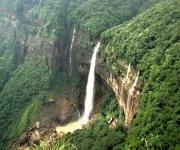
Dympep, commonly called Sohra View Point, is the best-known sunrise stop. The road passes close to the lookout, which has a relatively easy approach and a small parking area. From here, a clear morning can reveal distant land, glowing forest and waterfalls spilling over the edge below. Conditions change quickly, so a viewpoint that appears washed out on one visit may open into a vast panorama on another.
The most valuable minutes begin before the sun clears the horizon. First light may start 30 to 40 minutes before the official time, depending on cloud and terrain, and the pink-and-gold interval can be brief. Arriving 45 minutes early gives you time to find a safe position, check several sightlines and experience the transition rather than raise a phone only after the sun has appeared.
Choosing the clearest season and hour
For a balanced trip, prioritise the cooler, clearer period from October through February, while allowing for occasional rain. Winter mornings often produce the cleanest horizon, dramatic shafts of light through forest mist and exceptionally clear views across the escarpment. They also bring cold wind, damp grass and slippery paths, so comfort matters as much as visibility.
The monsoon from April to September creates a different attraction. Heavy rain, low cloud and mist sometimes obscure the sun completely, yet breaks in the weather can produce spectacular curtains of rain, saturated green slopes and brief bursts of sunlight. Waterfalls are at their most vigorous during this period. Travellers who dislike uncertain conditions may prefer the clearer months, while those prioritising atmosphere should embrace the possibility of a dramatic surprise.
March and late September offer useful compromises, with longer daylight and fewer overnight cold extremes, although haze can build during the day. Always check a current sunrise almanac and the local weather forecast for the specific dates. The sun’s timing changes through the year, so a fixed alarm set months earlier can easily leave you waiting in darkness or miss the first glow.
Reaching the viewpoint without rushing
Most Australian travellers enter mainland India before continuing to Shillong or Guwahati, which have connections to major Indian cities. Shillong’s airport is approximately 70 kilometres from Sohra, and the drive usually takes between two and a half and three and a half hours. Traffic, road construction and monsoon delays can extend that journey, so the final evening before dawn should be spent near Sohra rather than Shillong.
A pre-booked car with a local driver is usually the most practical way to reach the escarpment. Jeeps are common on local routes, while larger cars suit couples or small groups with luggage. Ask the operator where the vehicle will wait, whether the driver remains available after sunrise and what happens if the weather prevents a clear view. Staying nearby also makes it possible to try another morning without rebuilding the entire journey.
For a broader travel-planning reference, Kos 4 Life can complement the destination details you already have. For Meghalaya itself, the essentials are straightforward: download an offline map, save your driver’s number, keep some rupees for early taxis and confirm the pickup point in writing. A small torch or power bank is useful if hotel electricity is interrupted.
From first glow to a fuller morning
After sunrise, the plateau slowly warms and the viewpoints become clearer. A simple breakfast of tea, bread, eggs or porridge can be ordered through your hotel or driver, while a walk beside the road reveals ferns, moss-covered rock and distant shifting cloud. The best photographs often occur during the first half-hour, when the low light brings out texture rather than flattening the landscape into a single midday view.
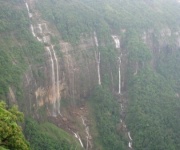
The wider Sohra circuit offers plenty of ways to continue. Mawsmai Falls provides a relatively accessible walk, while Nohkalikai has a steep descent, slippery steps and a powerful waterfall at the bottom. The waterfalls near Sohra also include viewpoints around the Seven Sisters area, where conditions vary considerably with the season. Check access, footwear requirements and local advice before committing to a long descent.
Arwah Caves, the limestone caves near the escarpment, make a useful daytime addition because they open later than dawn. Allow time for wet floors, uneven surfaces and crowded walkways, and carry a light waterproof layer. A local guide can add considerable value by explaining how the caves formed and helping with current route conditions. Remember to follow site rules, stay on marked paths and avoid climbing barriers for photographs.
Weather, clothing and practical local realities
Meghalaya rain can be far heavier and more persistent than a brief shower at home. During the monsoon, waterproof clothing, a reliable phone cover and a small dry bag are more useful than an umbrella that may be inverted by the wind. Paths around waterfalls and caves become slippery quickly. Check official weather warnings, keep some flexibility in the itinerary and never enter fast-moving water simply because it looks inviting from above.
Wear several light layers rather than one heavy garment. A warm top or fleece is valuable before sunrise, even when the following afternoon feels mild. Closed shoes with good grip are essential, and a waterproof outer layer protects against spray from waterfalls. Pack a headlamp, insect repellent, drinking water, snacks, a power bank and any medication you normally carry. Keep passport and visa copies separate from the originals.
Australian passport holders normally need an Indian visa. Many use the official e-vis tourist visa for a short stay, but check current eligibility, permitted entries and application deadlines before departure. If you are transiting through India, confirm that your passport and onward arrangements satisfy the relevant requirements. The standard Sohra circuit generally does not require a special Meghalaya permit, although border-area and protected-site rules can change.
Australian cards work in many established hotels and larger restaurants, while small guesthouses, roadside stalls and drivers may prefer cash in rupees. Carry a modest amount rather than relying on a single payment method, and check foreign transaction fees before your trip. For food, vegetarian options are common, but confirm whether a dish contains dairy or other animal products if your needs are strict. Drivers and guides appreciate dietary information when it is provided before the tour begins.
A practical dawn plan for Australian visitors
Set your alarm by local Indian Standard Time rather than the time displayed in your home city. India operates on UTC+5:30. During Australian daylight saving, Sydney and Melbourne are 4½ hours ahead; otherwise, the difference is five hours. Brisbane uses Australian Eastern Standard Time throughout the year, so it remains 4½ hours ahead. A phone may change automatically when a local SIM connects, but that is no reason to leave the timing to chance.
For an official sunrise around 5:40, a practical schedule begins with a 4:00 wake-up, a 4:15 departure and arrival at the viewpoint by 4:45. That allows a full hour for first light, sunrise and a short walk before breakfast around 6:30. Later sunrises require later starts, while monsoon cloud may require a second attempt. Confirm your driver and hotel breakfast the previous evening, especially when travelling outside Sohra.
Keep at least two nights available if the forecast looks uncertain. A blocked sunrise need not spoil the visit; move it to the following morning and use the original slot for a nearby cave, a market visit or a slower breakfast. Check the following indicative windows, then verify the date-specific sunrise time before setting alarms.
| Season | Typical sky and weather | Indicative sunrise in IST | Suggested arrival |
|---|---|---|---|
| May to September | Monsoon cloud, mist and dramatic breaks | 5:10–6:00 | 4:15–5:15 |
| October to November | Showers easing, with variable cloud | 5:35–6:15 | 4:50–5:30 |
| December to February | Cooler conditions and often clearer horizons | 6:00–6:40 | 5:15–6:00 |
| March to April | Longer days and increasing daytime haze | 5:40–6:20 | 4:55–5:35 |
If a dawn viewpoint is only one part of a longer Meghalaya holiday, compare a seven-night Cherrapunji package with your planned route. Check whether transfers, accommodation near Sohra, guiding services and selected entry fees are included; transparent inclusions matter more than a low headline price in the Australian package market.
Contact India Beacons Sojourn with your preferred dates, arrival details and dietary requirements. Request an early breakfast, a confirmed dawn pickup and current guidance for your chosen viewpoint. With the transport and timing settled, the first morning can remain flexible enough for changing skies and still feel like a purposeful start to the journey.