





The Best Season for Cherrapunji’s Waterfalls at Full Flow
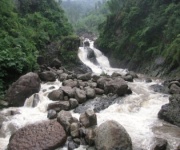
Cherrapunji, also known as Sohra or Cherrapunji, is one of Meghalaya’s most rewarding destinations during the wet season. Rain gathers across the Khasi Hills, runs through forested valleys, and spills over dramatic cliffs in silver curtains. Waterfalls that may look modest in the dry months can become broad, forceful and spectacular after sustained monsoon rain.
The peak period for powerful falls is generally June through September, with July and August often offering the fullest flow. However, rainfall varies from year to year, and a visit in early October can still deliver impressive cascades. The trade-off is that heavy rain may reduce visibility, make steps slippery and cause temporary changes to local travel conditions.
Choosing the right time depends on the kind of experience you want. Travellers focused on maximum water volume should accept wetter conditions, while visitors who prefer clearer views and easier walks may find late September or October more comfortable. A thoughtful itinerary can include viewpoints, caves, forest trails, villages and living root bridges alongside the waterfalls.
How The Monsoon Shapes The Landscape
The Khasi Hills receive some of the heaviest rainfall on earth, but the rain is not distributed evenly throughout the year. The pre-monsoon months of April and May can bring intense showers and occasional dramatic cloud formations, while the main southwest monsoon usually strengthens from June. By July and August, saturated hillsides feed streams and rivers throughout the region.
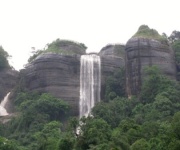
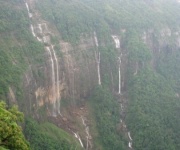
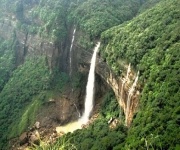
Nohkalikai Falls is especially striking during this period. The water descends from a high green escarpment into a blue-green pool, and monsoon runoff gives the fall a much fuller appearance. Seven Sisters Falls, also called Nohsngithiang, stretches across a broad cliff face and is most impressive when several channels are carrying strong flows at once.
Rainfall can arrive in short, powerful bursts rather than as continuous rain all day. A morning may begin under heavy cloud, open into a clear interval around midday and turn wet again later. This changing weather creates excellent light for photography, but it also means that a flexible schedule is more useful than a tightly timed list of stops.
The Strongest Months For Waterfall Views
July and August are usually the safest choice for travellers whose main priority is seeing waterfalls at their most vigorous. Frequent rain keeps the streams active, and cliffs, forest slopes and valleys appear intensely green. Mist can add atmosphere around viewpoints, particularly early in the day and after a shower.
June can be an excellent month as the monsoon gathers strength, though the seasonal pattern may still be developing. Some falls will already be powerful, while others may increase substantially over the following weeks. September often provides a good balance: the landscape remains wet and green, yet intervals of clearer weather may become more common.
October is less predictable. In some years, major waterfalls still have substantial flow, especially after late-season rain; in others, the volume begins to decline. November through March generally offers drier roads, clearer skies and more comfortable walking, but many seasonal cascades lose their dramatic force. April and May can still be rewarding for landscapes and cultural visits, though they are not the most reliable months for maximum waterfall volume.
What To Expect Month By Month
A month-by-month view helps match expectations with the conditions you are likely to encounter. Local rainfall can vary, so the guide below describes typical tendencies rather than guarantees.
| Period | Waterfall Character | Visibility And Travel | Best For |
|---|---|---|---|
| April–May | Increasing flow after pre-monsoon showers | Warm, humid and changeable | Green landscapes and mixed sightseeing |
| June | Monsoon begins building | Frequent rain and occasional mist | Early-season cascades and fewer crowds |
| July–August | Usually the fullest and most forceful flow | Very wet, with slippery paths possible | Dramatic waterfall photography |
| September | Strong flow often continues | More breaks in rain may appear | Waterfalls combined with outdoor walks |
| October | Moderate to strong, depending on rainfall | Often easier for sightseeing | A balance of scenery and comfort |
| November–March | Many falls become thinner | Drier, clearer and better for long walks | Caves, villages, viewpoints and relaxed touring |
Travellers should remember that a powerful waterfall is closely connected to the conditions that create it. The same rain that fills a cascade can obscure a viewpoint, flood a small path or delay a road journey. This is part of the seasonal character of Sohra rather than a flaw in the destination.
For the most reliable viewing opportunity, allow more than one day in the area. If clouds cover Nohkalikai Falls on the first morning, another visit later in the itinerary may bring a completely different scene. A multi-day route also makes it easier to combine major viewpoints with less-visited falls and nearby villages.
Planning A Comfortable Monsoon Trip
A monsoon visit works best when travel time is kept realistic. Roads between Shillong, Sohra and surrounding attractions can become slow during heavy rain, particularly where winding hill routes, construction or local traffic are involved. Leaving early gives you more daylight and a better chance of reaching viewpoints before afternoon cloud thickens.
A five- or six-day schedule can provide room for waterfalls, caves, forest areas and cultural experiences without turning every day into a rushed transfer. The Cherrapunji tour package is useful for travellers who want a structured route through the region, especially when seasonal road conditions make advance coordination valuable.
Try to place the most weather-sensitive viewpoints earlier in the day, then reserve flexible stops for later. If a waterfall is hidden by mist, a cave, museum, village walk or local meal can keep the day enjoyable. Drivers and local guides can also advise when a particular viewpoint is safest and most rewarding after recent rain.
Accommodation location matters during the wet season. Staying in or near Sohra reduces repeated long transfers and gives you more opportunities to revisit a viewpoint when the weather clears. Resorts and hotels with covered outdoor areas are practical for drying clothing, watching passing clouds and taking a break between excursions.
Waterfalls Worth Prioritising
Nohkalikai Falls should be high on any first visit because of its height, setting and recognisable plunge pool. Viewpoints are generally more rewarding when the air is clear enough to reveal the full cliff, but even misty conditions can produce an evocative scene. Take care near edges and remain within marked or locally accepted viewing areas.
Seven Sisters Falls is best appreciated from a broad viewpoint where the separate streams can be seen crossing the rock face. Its appearance changes significantly with the rain. During a strong monsoon spell, the streams may merge visually into a powerful white band; during lighter periods, the individual channels stand out more clearly.
Dainthlen Falls offers a different atmosphere, with water dropping through a rugged landscape associated with local Khasi legend. Wei Sawdong is known for its tiered pools and photogenic shape, although access involves steps and can become very slippery in wet weather. Kynrem Falls, near the Thangkharang area, is another worthwhile stop when conditions and access allow.
Do not judge a waterfall only by its height. A smaller cascade running through dense forest may provide a more intimate experience than a famous viewpoint crowded with visitors. Ask locally about recent rainfall and access before setting out, since flow levels, maintenance work and path conditions can change during the season.
Beyond The Main Viewpoints
The rainy season reveals more than waterfalls. Forest trails become richly coloured, streams swell beside village paths and moss spreads across stone walls. Caves such as Mawsmai offer a different kind of adventure, though wet footwear and careful footing are essential. Travellers should follow local guidance inside caves because water levels and slippery surfaces can change quickly.
Living root bridges are another highlight of Meghalaya, combining natural growth with generations of Khasi knowledge. A visit to the village of Mawlyngot can add a cultural and ecological dimension to a waterfall-focused journey. These experiences help explain how communities have adapted to a landscape shaped by steep hills, heavy rain and dense vegetation.
The wet season also supports slower, more observant travel. Look for fern-covered slopes, orchids, birds and changing patterns of cloud across the valleys. Local food, village conversations and short walks between attractions can become memorable parts of the journey, especially when rain temporarily changes the day’s original plan.
Practical Choices For A Rainy-Season Visit
Good preparation makes it easier to enjoy strong waterfall conditions without discomfort. Pack footwear with firm grip, quick-drying clothing and a waterproof layer that can withstand a sudden downpour. A small dry bag protects phones, cameras, documents and spare clothing during roadside stops and walks.
Visibility should be treated as variable rather than guaranteed. A clear forecast does not always mean a clear hilltop, and a rainy forecast may still include useful breaks. Keep important photographs and viewpoints flexible, and avoid standing close to rushing water simply to obtain a better angle.
Consider these practical priorities when selecting your travel dates and daily plans:
- Choose July or August for the highest likelihood of powerful waterfall flow.
- Select late September or October if you want a better balance between rain and visibility.
- Carry shoes with reliable traction for wet steps, rocks and forest paths.
- Keep at least one flexible half-day for revisiting a mist-covered viewpoint.
- Confirm local access conditions before visiting remote falls or cave areas.
Health and safety deserve equal attention. Drink enough water even in cool, cloudy weather, use insect protection on forest walks and take breaks on steep routes. Never enter swollen streams or stand beneath unstable cliff edges. Heavy rain can loosen soil and rocks, so local instructions should take priority over a planned photo stop.
A good guide or experienced driver can also make the monsoon easier to navigate. They know which roads become slow, which viewpoints are exposed and when a lesser-known attraction is unsuitable after sustained rain. Their knowledge can save time while allowing you to see more of the region safely.
The ideal season for full-flow waterfalls is therefore a matter of priorities. July and August offer the strongest odds of dramatic cascades, while June, September and early October can provide excellent scenery with slightly different weather patterns. The best trip leaves space for changing skies, careful movement and the possibility that a rainy day will reveal something unexpected.
Plan your Cherrapunji journey around several waterfall opportunities rather than a single timed visit, and allow the landscape to set the pace. With the right clothing, a flexible itinerary and local support, the monsoon can transform Sohra into its most powerful and memorable form. Contact India Beacons Sojourn to arrange a suitable Meghalaya tour package and begin planning your waterfall adventure.