




The Best Season For Lush Living Root Bridges In Cherrapunjee
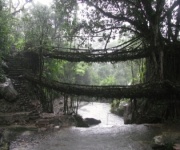
Living root bridges are among Meghalaya’s most remarkable sights: bridges shaped over decades from the aerial roots of rubber fig trees, strengthened by village care and softened by moss, ferns and humid forest growth. Around Cherrapunjee, also known as Sohra or Cherrapunji, the landscape changes noticeably through the year, so timing your visit can affect how green, fresh and atmospheric the bridges appear.
For travellers from Australia, the ideal season depends on whether “full leaf” means the richest possible greenery or a more comfortable walking experience. The monsoon brings extraordinary growth and dramatic waterfalls, while the months just after the heaviest rain offer vivid foliage, clearer paths and better conditions for exploring the living root bridge trails.
How The Monsoon Changes The Bridge Landscape
The main monsoon period in Cherrapunjee generally runs from June to September, with some heavy rain continuing into October. Sohra is famous for intense rainfall, and this is when the forest around the bridges looks at its most saturated. Tree leaves appear glossy, moss thickens on stone steps, streams swell and the surrounding hills take on deep layers of green.
The roots themselves remain living year-round, so the bridge does not suddenly become leafless in the dry season. “Full leaf” is better understood as the overall forest setting at its most luxuriant: broad leaves, climbing plants, mosses, ferns and a dense canopy framing the structure. Rain also makes small streams more active, adding movement and sound to the walk.
There is a trade-off. Persistent rain can make the descent to Nongriat, the village associated with the famous double-decker bridge, slippery and tiring. Stone steps may be wet, footwear can lose grip and cloud can reduce distant views. Travellers who enjoy rainforest conditions and do not mind getting damp may find July and August unforgettable, while those who prefer a more predictable hike should consider the months immediately afterwards.
The Sweet Spot For Greenery And Walking
October and November are often the strongest months for seeing lush living root bridges without facing the full force of the wettest weather. The vegetation is still vibrant after the monsoon, waterfalls generally retain good volume and many trails are more manageable. The air can feel fresher, and breaks in the cloud may reveal valleys that remain hidden during intense rain.
December through February is usually drier and more comfortable for walking. Trails can be firmer, visibility is often better and cool mornings suit travellers who want to spend several hours outdoors. The forest remains green because Meghalaya’s vegetation is naturally rich, although the landscape may look less intensely saturated than it does during or just after the monsoon.
March to May brings warmer conditions and the possibility of pre-monsoon showers. This period can be rewarding for travellers who want fewer wet-weather disruptions, but streams and waterfalls may be less forceful. For the best balance between leaf-filled forest, functioning trails and dramatic scenery, late October to November is a practical choice; for maximum rainforest atmosphere, July to September is the more adventurous option.
The oldest living root bridge is best approached with enough time to appreciate the surrounding forest rather than treating the walk as a quick photo stop. The bridge is a cultural landscape maintained by local communities, not a manufactured attraction, and respectful pacing helps preserve that character.
What To Pack For A Root Bridge Walk
Australian visitors are often used to planning around heat, sun exposure and sudden coastal showers, but Cherrapunjee’s wet-season conditions call for a different approach. Rain can arrive quickly, and a trail that begins under bright skies may become slick within minutes. A small daypack, waterproof protection and footwear with reliable tread are more useful than bulky luggage.
During the drier months, the same trails still involve uneven ground, stairs and humid forest sections. Lightweight clothing that dries quickly is practical, while a warm layer helps in the early morning or at higher viewpoints. Carry water and snacks, but keep packaging secure and take all rubbish back with you.
Useful items for different seasons include:
- Trail shoes or sandals with firm, non-slip soles
- A compact rain jacket, pack cover and dry bags
- Refillable water bottle and small energy snacks
- Insect repellent, sunscreen and a basic first-aid kit
- Lightweight trousers and a spare pair of socks
- Headlamp or phone torch for late returns
Do not rely solely on mobile coverage in remote parts of the trail. Download offline maps, save your accommodation details and tell your driver or guide about your walking plans. Local guides can help with route choices, river crossings and village etiquette, especially when rain has altered the trail.
Australian travellers may also want to pack a reusable shopping bag and avoid bringing unnecessary single-use plastic. In India, carrying a bottle and buying refills is common, but water safety varies by location, so use sealed or properly filtered drinking water. Before returning to Australia, remember that the country’s biosecurity rules are strict: declare food, plant material, wooden items and outdoor gear when required, and clean mud from shoes and equipment.
Choosing Between Rainforest Drama And Clearer Views
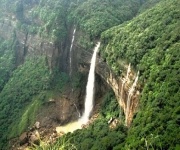
A visit in July or August is suited to travellers who want the strongest monsoon character. Waterfalls around Sohra are powerful, small streams are lively and the forest feels deeply tropical. Photography can be atmospheric, with mist and filtered light, although rain covers and lens cloths are essential. Allow extra time because roads and walking routes may slow down.
October and November suit travellers who want a more balanced holiday. The greenery remains rich, and the bridges still sit within a freshly watered landscape, but there is generally less disruption from continuous downpours. This season works particularly well for couples, families and travellers combining several attractions across Meghalaya.
For a drier itinerary, December to February provides greater flexibility for viewpoints, caves, parks and village walks. Mornings may feel cool compared with Brisbane or Darwin, especially when cloud settles over the plateau. The sun can still be strong when it appears, so comfortable layers and sun protection remain important.
A useful seasonal guide is:
- June to September: deepest rainforest colour, heavy rain and slippery trails
- October to November: vivid post-monsoon foliage and a strong all-round balance
- December to February: drier paths, cooler mornings and clearer sightseeing conditions
- March to May: warmer weather, occasional showers and lower waterfall levels
The local market is another reason to leave room in the itinerary. Sohra and nearby towns offer seasonal fruit, spices, bamboo goods, shawls and locally produced items. Bargaining may be part of small-market shopping, but it should remain courteous and proportionate. Australian habits such as tapping a card for every small purchase may not always work, so carry some Indian rupees while keeping larger amounts secure.
Building A Comfortable Cherrapunjee Itinerary
Many travellers arrive through Guwahati and continue by road towards Shillong and Sohra. The route is scenic but can take much longer than an Australian city transfer because of winding mountain roads, traffic and weather. From Sydney or Melbourne, the international journey usually involves a connection before reaching north-east India, so adding a buffer day can make the holiday less tiring.
A multi-day stay gives you more than one opportunity to walk in favourable conditions. If rain interrupts a bridge visit, the following day can be used for caves, viewpoints, waterfalls or a village experience. Staying in or near Cherrapunjee also means you can start early, before popular trailheads become busier and while the air is cooler.
A 3N 4D package can suit first-time visitors who want transport, accommodation and key sightseeing arranged within a short holiday. Longer packages of five to seven nights allow more time for Nongriat, nearby bridges, Mawsmai Cave, Nohkalikai Falls, parks and neighbouring destinations in Meghalaya.
Before booking, check what is included in the chosen package. Confirm whether meals, local transport, entry fees, guides and accommodation upgrades are covered, and ask how the itinerary changes during severe rain. Foreign visitors should travel with a passport that meets India’s validity requirements and obtain the appropriate Indian visa or e-visa before departure where eligible. Requirements can change, so verify current information through official Indian government sources.
Keep digital and printed copies of your passport, visa, insurance policy and emergency contacts. Australian travel insurance should cover trekking or walking activities if the policy requires specific conditions. It is also sensible to register travel details with Australia’s Smartraveller service and monitor weather alerts before setting out.
Respecting The Living Landscape
A living root bridge is part of a community-managed environment. The roots are guided, woven and supported over many years, and some bridges continue to strengthen as they grow. Visitors should avoid climbing on railings, pulling roots, carving names or moving stones. Staying on established paths helps protect fragile soil and young plants around the structure.
Dress modestly when walking through villages and ask before photographing residents, homes or ceremonies. Local Khasi communities have their own customs and rhythms, and a friendly greeting, patient communication and willingness to follow guidance are valued. Keep voices low around homes and avoid treating villagers or workers as background scenery for photographs.
Rainy-season visitors should also be mindful of safety. Do not enter swollen streams, stand beneath unstable rock faces or continue a route after local guides advise turning back. Water levels can change rapidly, and a bridge that was easy to reach in the morning may be harder to approach later in the day.
The reward is a slower, more attentive experience. Look closely at the living structure, notice how roots merge with stone and observe how forest plants occupy every damp surface. Whether you travel in the saturated monsoon or the clearer post-monsoon months, the bridge is most memorable when the journey is treated as an encounter with Meghalaya’s people, ecology and living traditions.
Plan your Cherrapunjee holiday around the season that matches your walking style, allow flexibility for mountain weather and reserve accommodation and transport early for the popular October-to-February period. Contact India Beacons Sojourn through Cherrapunjee.net to arrange a suitable package and make time for the living root bridges, waterfalls, caves and forest trails that give Sohra its distinct character.