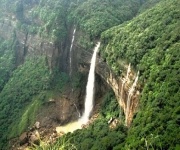






The best time to see Shalini Falls in full flow
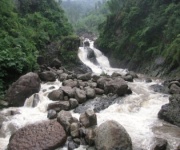
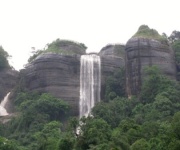
Shalini Falls is one of the seasonal rewards of travelling through Sohra, also known as Cherrapunjee or Cherrapunji. Its character changes with the weather: a modest cascade during drier months can become a broad, forceful stream after sustained rain. For travellers hoping to see the falls at their most dramatic, the calendar matters as much as the route.
The Meghalaya monsoon does not arrive as a single predictable event. Rainfall can build gradually, arrive in intense spells, or pause for several days before returning. As a result, the best time for a powerful waterfall display is a period rather than one guaranteed date. July and August usually offer the strongest chance, while June and September can also produce excellent conditions.
A visit should balance water volume with visibility, road conditions, walking comfort, and personal safety. A little planning helps you enjoy the spectacle without treating heavy rain, slippery paths, or swollen streams as minor inconveniences.
How rainfall shapes the waterfall
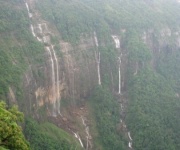
Sohra is famous for some of the heaviest rainfall in the world, and its landscape responds quickly. Rain runs from forested slopes and rocky plateaus into narrow channels, feeding waterfalls across the Cherrapunjee region. Shalini Falls is therefore most impressive after the surrounding catchment has received several substantial showers rather than after a brief drizzle.
The first heavy rains of the season can refresh the falls, but the flow may still vary from day to day. By the heart of the monsoon, the ground is saturated and streams tend to remain active for longer. This is when visitors have the best chance of seeing a thick, continuous curtain of water rather than a thin cascade broken by exposed rock.
Rainfall intensity can also make the falls difficult to view. Mist may hang over the valley, low cloud can obscure distant scenery, and sudden showers can make a short walk feel much longer. The strongest flow is not always paired with the clearest photograph, so flexible timing during the day is valuable.
The strongest viewing window
For full-flow conditions, plan around July and August. These months generally sit within the wettest part of the southwest monsoon and offer the most reliable opportunity for a forceful cascade. The surrounding vegetation is intensely green, streams are active, and the atmosphere has the lush, cloud-covered quality associated with Sohra in the rainy season.
June is a good alternative for travellers who want early monsoon scenery with a slightly better chance of short breaks in the rain. Conditions can be variable, however, and some years begin with scattered showers rather than a sustained wet spell. A local driver or guide can often give a more useful same-day assessment than a long-range forecast.
September can be rewarding as well. Rain may continue, but intervals of clearer weather become more common in some periods. The falls can remain vigorous after weeks of precipitation, and improved visibility may make the landscape easier to appreciate. If your schedule allows only one monsoon month, July or August is usually the safest choice for maximum volume.
Month-by-month conditions at a glance
The dry season is not necessarily a poor time to visit. From November through March, paths and roads are often more comfortable, skies are frequently clearer, and viewpoints can be easier to photograph. The trade-off is lower water volume. Shalini Falls may look more delicate, especially after an extended dry spell.
April and May bring warmer days and occasional pre-monsoon showers. These showers can briefly increase the cascade, but they do not always produce a lasting transformation. Travellers visiting in this period should treat a smaller flow as part of the seasonal experience rather than expect monsoon conditions.
The following guide is useful for choosing between dramatic water, easier access, and clearer views. Exact conditions can change each year, so it should be read as a planning reference rather than a fixed forecast.
| Travel period | Likely water flow | Visibility and access | Best for |
|---|---|---|---|
| November–March | Low to moderate | Generally drier and clearer | Comfortable walks and wide landscape views |
| April–May | Variable, rising after showers | Warm with changing conditions | Flexible itineraries and greener scenery |
| June | Moderate to high | Increasing rain, occasional mist | Early monsoon atmosphere |
| July–August | High to very high | Wet, slippery, and often cloudy | Seeing the falls at their most powerful |
| September | Moderate to high | Rain breaks may improve views | Strong flow with a chance of clearer weather |
| October | Moderate and declining | Often more manageable | Waterfalls, sightseeing, and easier photography |
Planning the route around the weather
A waterfall excursion works best when it is fitted into a wider Sohra itinerary rather than treated as a rushed standalone stop. Allow extra time for rain-related traffic, slow hill roads, and pauses at viewpoints. Roads around Cherrapunjee can become slick, and cloudbursts may reduce visibility unexpectedly, even when the morning begins brightly.
Keep the day’s schedule flexible. If the forecast shows heavy rain early in the morning, a later visit may provide a safer walk and a clearer view after the shower passes. If a prolonged downpour is expected, ask your accommodation or local operator whether the approach is currently suitable. Conditions at a waterfall can change faster than conditions in the town.
Before travelling, review the destination information and route resources in the Cherrapunjee site map. Pair online planning with local advice, especially if your route includes a forest path, stream crossing, or viewpoint reached by uneven steps. Access arrangements and walking conditions can vary by season.
What to bring for a monsoon waterfall visit
Waterproof clothing is more useful than a large umbrella on a wet Meghalaya trail. A lightweight rain jacket, quick-drying trousers, and a protected daypack will help you stay comfortable during sudden showers. Pack a dry bag or sealed pouch for your phone, camera, travel documents, and spare batteries.
Footwear deserves particular attention. Choose shoes with a firm, grippy sole rather than smooth casual trainers or open sandals. Mud, wet stone, and moss can make short paths hazardous. Carrying a small towel, spare socks, and a plastic or reusable waterproof pouch for wet clothing can make the return journey much easier.
Visibility may be limited, so bring a torch if your plan involves an early or late walk, although daytime visits are preferable in poor weather. Insect repellent, drinking water, basic medication, and a small first-aid kit are sensible additions. Avoid carrying unnecessary equipment when paths are slippery; a compact camera or phone can be easier to protect than a full set of lenses.
Seeing more of Sohra beyond the cascade
A trip to Shalini Falls can be combined with other natural attractions in the Cherrapunjee area, but the order should follow the weather. When cloud cover is thick, waterfalls and forested sites may be more rewarding than distant valley viewpoints. During a clear interval, use the opportunity for panoramas, cliffs, and open plateau scenery before the next shower arrives.
Sohra’s appeal also includes cultural landscapes and quieter local experiences. The region’s tea-growing story offers a different perspective on Meghalaya’s climate and terrain; travellers can read about Cherrapunjee’s tea gardens when adding a less-publicised stop to their plans. Combining a waterfall with a village visit, local meal, or tea-related experience creates a fuller day than moving between viewpoints alone.
Living root bridges, caves, parks, and major waterfalls can also be included in a multi-day holiday. Since some attractions involve steps, forest trails, or long drives, avoid filling every day with distant stops. A two- to seven-night itinerary gives greater scope to shift activities when rain affects roads or visibility.
Practical choices for a better visit
A successful visit depends on choosing the right priority before you travel. If the main goal is the biggest possible flow, accept that rain, mist, and slippery ground are part of the experience. If photography and relaxed walking matter more, late September or October may provide a more balanced combination of active water and manageable conditions.
Use these recommendations when setting your dates and daily plan:
- Choose July or August when maximum waterfall volume is the main objective.
- Consider June or September for a strong monsoon experience with potentially better weather breaks.
- Check local road and trail conditions on the day of travel instead of relying only on a forecast.
- Wear grippy waterproof footwear and keep electronics in a sealed dry pouch.
- Leave room in the itinerary to delay the visit if a cloudburst makes the approach unsafe.
Arrive with realistic expectations about seasonal variation. A waterfall does not need to be at its largest to be worthwhile, and a clear view of the gorge can sometimes be more memorable than a photograph taken through heavy rain. The best experience comes from allowing the landscape to set the pace.
Shalini Falls is most likely to deliver its full monsoon character between July and August, with June and September offering worthwhile alternatives. Plan your stay in Sohra with a flexible schedule, suitable rain gear, and enough time to respond to changing conditions. For route details, accommodation choices, and Cherrapunjee holiday packages, contact India Beacons Sojourn through Cherrapunjee.net and arrange a visit around the season you want to experience.