





The best time to visit Cherrapunjee for clear mountain views
Cherrapunjee, also known as Sohra or Cherrapunji, is famous for dramatic escarpments, deep valleys, limestone caves and waterfalls that seem to appear from the clouds. For travellers hoping to see distant ridgelines and layered green hills, timing matters. The same monsoon that creates spectacular cascades can cover the landscape in mist, while clearer months often bring brighter skies and easier sightseeing.
Travellers from Australia will find that Cherrapunjee rewards a little extra planning. Flights from Sydney, Melbourne, Brisbane or Perth usually involve connections through major Indian airports, and the final journey into Meghalaya is mountainous and winding. Choosing the right season, allowing flexible driving time and planning viewpoints for the clearest part of the day can make a significant difference to the experience.
How Cherrapunjee’s weather shapes visibility
The local climate is driven by the southwest monsoon. From roughly June to September, Sohra receives intense rainfall, and the surrounding hills may shift quickly between open views, low cloud and heavy showers. Waterfalls are at their most powerful during this period, but clear mountain panoramas are less dependable.
October to April generally offers better conditions for long-distance views. Rainfall reduces, roads are easier to manage and morning air is often crisp. November, December, January and February are especially attractive for travellers who want a good balance between visibility and comfortable sightseeing, although winter mornings can still bring haze or low cloud in valleys.
The clearest view is never guaranteed by the calendar alone. Local showers can arrive outside the main wet season, and a sunny morning may turn cloudy by lunchtime. Checking the forecast shortly before each outing is sensible, while building some flexibility into a two- or three-night stay gives you a better chance of catching the escarpment under open skies.
The clearest months for mountain panoramas
November is often an excellent month for photography and scenic drives. The monsoon has refreshed the vegetation, many streams and waterfalls still have impressive flow, and the skies are usually more settled than during the wet season. Visibility can be particularly appealing after a brief shower, when the air feels washed clean.
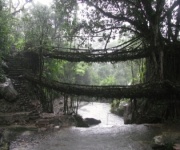
December through February are popular for dry-weather holidays. Days are generally suitable for walking to viewpoints, exploring caves and visiting living root bridges, while evenings can feel cool. Early starts are worthwhile because the light is softer and the air may be clearer before traffic, dust and rising valley vapour affect distant views.
March and April can also be rewarding. The landscape remains green, daylight hours are useful and temperatures gradually become warmer. However, pre-monsoon showers and occasional haze may become more common. If a clear horizon is your priority, plan major viewpoints for the morning and keep waterfalls, markets or shorter walks as alternatives for cloudier periods.
What the wet season offers instead
Visiting during the monsoon is a different style of holiday rather than a poor choice. Rain gives Cherrapunjee its signature character: cliffs disappear into silver cloud, streams swell and waterfalls become dramatically louder. The atmosphere can feel wonderfully wild, especially for visitors accustomed to Australia’s drier landscapes around Perth, Adelaide or inland New South Wales.
The trade-off is reduced predictability. Some tracks become slippery, viewpoints may be shrouded and driving times can increase when rain affects mountain roads. Outdoor plans should remain adaptable, with waterproof footwear, a lightweight rain jacket and dry bags for phones and cameras. A clear view may appear for only a few minutes, so it is worth waiting rather than leaving immediately when cloud rolls in.
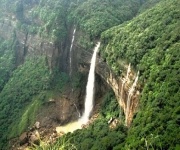
Waterfall lovers may prefer the wetter months, especially if the goal is to see powerful cascades rather than distant scenery. Dainthlen Falls has a strong local legend connected with a giant serpent, and reading about its story through Dainthlen Falls’ mythology can add cultural context to the stop. Just allow extra time for rain breaks and road conditions.
Finding the best light during the day
Clear weather and good visibility are only part of the picture. Light direction, cloud movement and the position of the sun can change how the hills appear. Early morning is usually the safest window for distant views, particularly from open escarpment points facing the valleys. The air is often calmer, and soft light helps reveal the folds of the terrain without harsh glare.
Late afternoon can also be beautiful when clouds break and the low sun warms the cliffs. However, sunset arrives earlier than many Australian visitors may expect, especially in winter, and mountain roads should not be treated casually after dark. Leave enough time to return to your accommodation before visibility drops.
At a viewpoint, wait for a natural gap in the cloud rather than judging the whole day by the first conditions you see. A short pause can reveal ridges that were hidden minutes earlier. Binoculars and a lens cloth are useful, while a phone camera will perform better when you wipe away moisture and avoid shooting directly into bright haze.
Planning an itinerary around the forecast
A flexible itinerary works best for Cherrapunjee. Put your most important viewpoints, cave visits and living root bridge walks on the first clear day, then use wetter or cloudier periods for local food, cultural stops and shorter attractions. This approach is especially useful for Australian visitors booking annual leave well ahead, when daily weather cannot yet be known.
Many travellers combine Sohra with Shillong and other Meghalaya highlights. The journey is scenic but not fast, so distances on a map can be misleading. A private vehicle with a local driver is often more comfortable than trying to fit every stop into a strict timetable. Indian roads use the left side, which will feel familiar to Australians, but the mountain driving style, bends and occasional livestock require close attention.
A multi-day package can make weather changes easier to manage because transport and accommodation are arranged together. The 5-night Cherrapunji package provides a useful format for travellers who want enough time for waterfalls, caves, viewpoints and nearby excursions without rushing each day. For Australians, this can also simplify coordination across international flights, transfers and hotel check-ins.
When comparing packages, check what is included in the quoted price. Transfers, meals, entry fees, guide services and room categories may differ between operators. It is also worth confirming cancellation terms, particularly if your trip falls near the monsoon or during busy Indian holiday periods. Australian travellers are familiar with booking around school holidays, but Meghalaya’s peak dates and local festivals may follow a different calendar.
Practical recommendations for a clear-view trip
The ideal season depends on what you want to photograph and how much weather uncertainty you enjoy. November to February is usually the strongest choice for clear mountain scenery, while October and March can provide a pleasing mix of greenery, manageable rain and comfortable touring. June to September suits visitors who want dramatic waterfalls and cloud-filled landscapes more than reliable horizons.
Pack for changeable conditions even in the drier months. Temperatures can feel cool in the morning, while walking and vehicle travel may become warm later. An Australian-style layering approach works well: breathable clothing, a fleece or light jumper, a waterproof outer layer and sturdy shoes. A universal travel adaptor, insect repellent, sunscreen and a reusable water bottle are also useful.
- Choose November to February for the most dependable clear mountain views.
- Schedule viewpoints and photography for early morning, with a second chance later in the day.
- Keep at least one flexible day for weather-related changes to your itinerary.
- Carry waterproof layers and protect electronics during every season.
- Allow longer travel times on winding roads than a map distance may suggest.
- Book accommodation and transfers early for December, January and Australian school-holiday travel.
- Check local forecasts and road conditions before setting out each morning.
For visitors speaking in terms of an “arvo” viewpoint stop or a quick coffee before a day’s drive, the local rhythm may feel slower and more weather-led than a tightly scheduled Australian tour. That is part of the appeal. Rather than trying to control every stop, leave space for a roadside lookout, a conversation with a local guide or a sudden break in the cloud.
Cherrapunjee is at its most rewarding when the itinerary matches the season. Come in the drier months for open horizons, layered hills and easier walks, or choose the monsoon for immense waterfalls and a landscape wrapped in mist. Explore the available holiday packages, contact the local team at Cherrapunjee.net, and start planning a Meghalaya journey with enough time to let the mountains reveal themselves.