





When to visit Cherrapunjee for fewer tourists and lower prices
Cherrapunjee, also known as Sohra, is famous for powerful waterfalls, limestone caves and cloud-wrapped ridges. Its busiest sightseeing days can feel crowded, while quieter months reveal a gentler side of Meghalaya. Weather, festivals and holiday calendars shape both visitor numbers and package prices. Choosing the right window is therefore central to a rewarding, budget-conscious escape.
The best time to visit for fewer tourists and lower prices is usually a weekday in the shoulder season, not simply the sunniest month. Heavy monsoon rain brings the lowest demand but occasional trail closures, while crisp winter weekends attract the biggest crowds. A well-chosen period balances cheaper stays and calmer attractions with safe access to Cherrapunjee’s natural highlights.
Rainy-season trade-offs and quieter months
Meghalaya’s southwest monsoon generally arrives in May and continues through September. Cherrapunjee receives rain throughout much of the year, and June to August can deliver fierce downpours, swollen streams and muddy walking paths. Waterfalls look spectacular, but viewpoints and caves may close without notice. Treat this period as an adventure option rather than a guaranteed sightseeing bargain.
September and early October can be a useful compromise: landscapes remain intensely green, runoff is often strong and hotels need fewer guests to fill their rooms. Showers remain possible, so allow a flexible itinerary and keep outdoor walks for suitable conditions. November usually has more reliable sightseeing weather, but its festive appeal and proximity to Christmas travel push occupancy higher. Weekday nights in November can still offer better value than a holiday weekend.
Another low-demand window is late February to early March, outside most Indian school holidays. Days are generally pleasant, although afternoons can be warm and showers still occur. April often becomes busier before the monsoon, with higher resort rates and a sharper divide between wet and dry days. Check current festival and school-holiday dates before assuming a particular month is quiet.
How festivals and holidays change demand
October to February forms the main peak season, driven by cooler weather, clearer skies and strong waterfall flows. Durga Puja, Diwali, Christmas and New Year create additional surges, although their exact dates vary each year. Festival programmes can also change access times at attractions. Book these periods early or choose ordinary weekdays immediately before or after the busiest celebrations.
Australian summer holidays overlap with India’s busiest domestic travel period, so flights from Sydney, Melbourne and Brisbane are especially busy through December and early January. Many Australian travellers book holidays and flights ahead for these popular breaks, pushing fares upward. State-based school holidays also influence when families travel. Travellers with flexible dates can compare late February, March and September instead; a shoulder-season fare may cost less than a peak-week flight with added baggage.
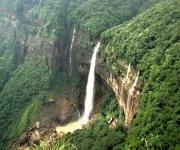
Arriving on a weekday makes the difference at heavily visited places such as Nohkalikai and Thangkharang. Monday to Thursday is usually quieter than the weekend, with shorter queues, easier parking and more attentive guiding. Ask your operator to structure transfers around quieter weekdays where possible. Some packages charge the same per-person rate daily, so verify that the quoted saving is genuine.
What makes prices rise or fall
Rates follow demand closely. Hotels, resorts and tour vehicles cost more when occupancy rises, while guides, entry fees and meals may remain fixed. A multi-day package can therefore vary even when its inclusions look identical. Look beyond the headline total and compare the final price after taxes, single-person supplements and optional excursions.
Watch these demand cues when checking availability:
- Indian festival and school-holiday calendars
- Australian school breaks and Christmas travel dates
- Weekend occupancy at resorts in Sohra
- Long weekends in West Bengal and nearby states
Four ways to trim the trip budget:
- Request weekday nights and ask about festival surcharges
- Compare vehicle, guide, meals and entry inclusions
- Check single and child pricing for your group
- Prefer flexible cancellation during monsoon months
A low quote can still be poor value if sightseeing days are cut, transfers are private when a shared option was expected, or cancellation terms are rigid. Rainy-season discounts often come with limited flexibility, while demand-led savings can disappear quickly. Ask for a written itinerary showing hotel category, guide service, transport type and the exact number of nights included.
Australian travellers: flights, money and entry rules
Most Australian travellers reach Meghalaya through Guwahati, with Kolkata as another option, after a long-haul flight from a major Australian gateway. Connecting through Delhi, Mumbai or another Indian hub is the usual route. The road journey from Guwahati to Sohra takes roughly two to three hours, depending on conditions. Leave a generous buffer because monsoon disruption can affect domestic connections.
Australian passport holders normally need an Indian tourist visa or e-visa; an Australian passport does not provide visa-free entry to India. Check the official visa portal for current eligibility, processing times and passport validity rules, generally six months beyond entry. Carry the approval and a return or onward ticket. Some border regions need separate permits, and the ordinary Cherrapunjee circuit should be checked against current travel advice.
Budget in Australian dollars, but compare the operator’s quote in Indian rupees before accepting it. Contactless card payment is normal in Australia, so a card with no foreign transaction fee can be useful. Exchange rates shift, and cards work at many Indian hotels and larger shops, while small roadside stalls and local markets may still prefer cash. Carry modest rupee notes and avoid exchanging money at the last moment.
Australian Consumer Law generally does not govern a package bought directly from an overseas operator, so read the contract and cancellation policy carefully. Choose travel insurance that covers medical evacuation, cancellations and relevant weather disruption; not every policy treats heavy rain as a covered event. Before departure, check Australian Government advice and arrange roaming or an eSIM for maps and calls.
Choosing a base and a quieter itinerary
Sohra is a practical base for Thangkharang, Arwah and Nohkalikai, and often feels calmer than staying in Shillong for every night. A split stay can combine quieter local nights with a final day in Shillong’s markets, but adds road time. Many packages include transfers, so ask whether the itinerary limits unnecessary backtracking before paying for an extra hotel night.
Start the busiest walks early, when mist and foot traffic are usually lighter. Nohkalikai’s steep steps and Arwah’s wet rock surfaces deserve dry footwear, steady shoes and caution after rain. Caves such as Krem Liat Prah often operate with controlled entry and fixed visiting windows. Confirm availability rather than relying on a spontaneous walk-in.
Before setting out, read Thangkharang Park views for access and viewing guidance. Early light can improve the outlook over the valley, while cloud may hide everything, especially after rain. Keep rain layers, a dry bag, drinking water and modest clothing for cave and religious-site visits. Never enter fast-flowing water to reach a viewpoint.
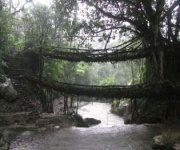
Living root bridges near Nongriat add a different experience, but the route involves uneven paths and exposed sections. Use a local guide, follow community instructions and keep to the walkways. Monsoon footpaths can become slippery, so a half-day excursion may take longer than expected. Build in recovery time rather than cramming several distant attractions into one day.
Plan your low-season Cherrapunjee escape
Begin with a specific pair of weekdays, then ask India Beacons Sojourn to price the same dates across its two- to seven-night itineraries. Compare the final total, not just the per-person rate, and request a clear breakdown of resort or hotel category, meals, transfers, guiding, entry fees and taxes. Check whether a saving depends on shared transport, weekday pricing or a promotional cancellation condition.
A direct comparison of the main travel windows helps:
| Travel window | Likely crowds | Relative price pattern | Main trade-off |
|---|---|---|---|
| Early September | Low | Lowest | Heavy rain and possible closures |
| Early to mid-October | Low to moderate | Lower | Occasional showers and strong waterfalls |
| Late February to early March | Low to moderate | Lower | Warm afternoons and occasional rain |
| Mid-November | Moderate to high | Higher | Pleasant weather and festive demand |
| Christmas and New Year | Highest | Highest | Extra costs and heavy domestic traffic |
These are directional patterns, not guaranteed rates. Availability, rainfall and local events can change a package’s value, so reconfirm dates and inclusions before payment. A longer stay may reduce the daily cost, yet it also exposes you to more weather-dependent plans. Two to three nights suit a focused waterfall escape; four to seven allow Sohra, Shillong and a guided root-bridge route.
Travel beyond the rush with a tailored quote from India Beacons Sojourn through Cherrapunjee.net. Send your preferred dates, group size and budget, and request a confirmed low-season package showing inclusions and cancellation terms. Reserve while the quieter dates and better-value rooms remain available.