





The Best Time to Visit Nohkalikai Falls for Maximum Flow
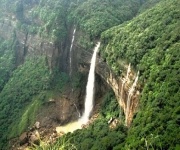
Nohkalikai Falls is one of the most dramatic sights around Sohra, the destination widely known as Cherrapunji. Water plunges from a forested cliff into a blue-green pool, creating a spectacular view that changes considerably with the seasons. The waterfall is impressive throughout the year, yet its volume, surrounding mist, road conditions, and visibility depend strongly on Meghalaya’s rainfall cycle.
For travelers who want the most powerful cascade, the wet season is the key consideration. Sohra receives some of the heaviest rainfall on Earth, and the months that bring frequent showers also feed Nohkalikai’s broadest and loudest flow. Choosing the right part of the monsoon can help you see the waterfall at its fullest without making the rest of your journey unnecessarily difficult.
A visit also involves more than checking a weather forecast. Rain can arrive in short bursts or continue for hours, clouds may hide the escarpment, and wet paths require care. With a little planning around rainfall, daylight, local transport, and nearby attractions, Nohkalikai Falls can become the highlight of a multi-day Meghalaya holiday.
How Rainfall Shapes The Waterfall
Nohkalikai Falls is fed by the exceptionally wet plateau around Sohra. During the monsoon, streams and underground channels carry a much larger volume toward the cliff edge, producing the forceful white curtain visitors hope to see. The pool below may appear especially vivid when the sky brightens after a shower, although its color can become darker or muddier after intense runoff.
June through September generally offers the strongest flow. July and August are often the wettest part of the season, making them excellent months for travelers whose priority is maximum water volume. September can also be rewarding: rainfall remains substantial in many years, while occasional breaks may provide better visibility and more comfortable sightseeing.
The exact appearance varies from week to week. A dry morning followed by a heavy afternoon storm can transform the waterfall within hours, while several cloudy days may keep the surrounding cliffs hidden. Seasonal averages are useful for planning, but conditions on the day should determine whether you linger at the viewpoint or adjust your schedule.
Choosing Between Peak Monsoon And Shoulder Months
The best time to visit Nohkalikai Falls for maximum flow is usually the core monsoon period, particularly from July to early September. At this time, the waterfall is likely to be broad, energetic, and surrounded by saturated greenery. The sound of falling water is stronger, and smaller cascades often appear on nearby rock faces after sustained rain.
Peak monsoon travel has trade-offs. Roads can become slippery, driving times may increase, and heavy cloud can reduce the panoramic view. Photography is also less predictable because mist may move across the gorge without warning. Travelers who accept changing conditions and build flexibility into their itinerary will usually have the most rewarding experience.
June is a good option for visitors who want early monsoon scenery, though rainfall can be less consistent at the beginning of the month. October may still offer a healthy cascade after a wet season, with more breaks in the clouds and easier movement around viewpoints. If clear vistas matter as much as water volume, late September or October may provide the better balance.
Travelers arriving from the state capital can review this practical guide on reaching Cherrapunjee from Shillong before setting out. Starting early is particularly valuable in the rainy season, when slow traffic, fog, and roadside stops can extend the journey.
Seasonal Conditions At A Glance
The table below compares the main travel periods around Sohra. Rainfall can differ from one year to another, so these descriptions should be treated as planning guidance rather than guarantees.
| Travel period | Waterfall flow | Visibility | Road and walking conditions | Best suited to |
|---|---|---|---|---|
| March to May | Moderate, increasing toward May | Often bright, with some clouds | Generally easier | Scenic drives, viewpoints, and outdoor exploration |
| June | Strong and rising | Frequently misty | Wet roads and occasional showers | Early monsoon atmosphere |
| July to August | Usually at or near its fullest | Changeable, often cloudy | Slippery surfaces and slower journeys | Maximum flow and lush landscapes |
| September | Strong to moderate, depending on rainfall | More breaks may appear | Still wet, gradually improving | Full falls with a better chance of views |
| October to November | Moderate, gradually decreasing | Often clearer | More comfortable for sightseeing | Photography and broad regional itineraries |
| December to February | Lower, though still attractive | Usually clearer and cooler | Generally easier | Dry-weather travel and long day trips |
Although winter does not deliver the highest volume, it can be an excellent time for visitors who want a relaxed experience. The waterfall remains beautiful, and clearer air may reveal more of the surrounding plateau. However, anyone specifically seeking a roaring monsoon cascade should avoid relying on the dry season.
Planning The Ideal Sightseeing Day
Morning is often the safest and most practical time to visit. Early hours may offer a quieter viewpoint, softer light, and less chance of afternoon cloud buildup. In the monsoon, weather can shift quickly, so leaving your accommodation after breakfast gives you a useful window before heavier showers develop.
Allow enough time for the waterfall itself rather than treating it as a rushed roadside stop. The main viewpoint provides a powerful perspective over the gorge, and visitors may want to wait for a passing veil of mist or a brief opening in the clouds. Keep a rain cover ready for phones and cameras, since a clear interval can end suddenly.
Nohkalikai Falls can be combined with other Cherrapunji attractions on a full-day route, but avoid packing too many distant stops into one rainy-season schedule. Waterfalls, caves, viewpoints, and living root bridges each deserve time, and wet roads can make short distances take longer than expected. A flexible itinerary is more enjoyable than trying to meet a rigid list of stops.
Safety Around The Viewpoint And Roads
Rain creates beautiful conditions but also changes the risks around Sohra. Stay within marked visitor areas and do not climb barriers or approach unstable edges for a better photograph. The gorge is deep, rocks can be slick, and visibility may suddenly deteriorate when cloud rolls across the escarpment.
Wear shoes with reliable grip and carry a lightweight waterproof layer. An umbrella can help around the parking and viewpoint areas, but it may be awkward in strong wind. Keep valuables in a sealed pouch, and protect camera equipment from both rainfall and condensation when moving between cool, wet air and enclosed vehicles.
Road safety deserves equal attention. Hire a knowledgeable local driver or use an organized Meghalaya tour when traveling during intense rain, especially if you are unfamiliar with winding hill roads. Avoid late-evening transfers where possible, and check local conditions before leaving. If a driver recommends delaying a route because of a landslide, waterlogged section, or poor visibility, treat that advice seriously.
Practical Items For A Rainy-Day Excursion
- A waterproof jacket or poncho that can be put on quickly
- Shoes with firm traction for damp paths and uneven ground
- A dry bag or sealed pouch for phones, documents, and cash
- Extra socks and a change of clothes for longer day trips
- Drinking water, basic snacks, and any personal medication
Photographing Nohkalikai Falls In Different Weather
The fullest flow is visually dramatic, but clear weather is not essential for memorable photographs. Mist can add scale and atmosphere, especially when it drifts between the cliff and the pool. A brief sunny interval may create brighter greens on the plateau and a stronger contrast against the white water.
Use a fast shutter speed if you want to freeze the force and texture of the cascade. A slower shutter can create a silky effect, but wet conditions make camera stability and lens protection more important. A small microfiber cloth, waterproof camera cover, and lens hood are useful additions during the monsoon.
When visibility opens, include the surrounding escarpment rather than framing only the falling water. The height of the cliff is easier to appreciate when the landscape provides context. Avoid standing in unsafe positions for a wider composition; the official viewing area offers strong perspectives without requiring risky movement.
October through February may suit travelers who value landscape clarity, color, and dependable photography more than maximum discharge. The falls can look more defined against a brighter sky, while the reduced mist makes it easier to capture the pool and distant terrain. Visiting once during the rains and again in a clearer season offers two very different impressions of the same landmark.
Build A Flexible Cherrapunji Itinerary
A stay of two or more nights allows you to respond to changing weather. If Nohkalikai Falls is hidden by heavy mist on the first day, you may have another opportunity after the clouds lift. Extra time also makes it easier to visit nearby caves, viewpoints, waterfalls, and villages without turning every outing into a rushed drive.
Keep your most weather-sensitive sights flexible. A clear morning can be reserved for major viewpoints, while showers may be better suited to shorter stops or cultural experiences. Ask your hotel, resort, or local guide about current road conditions and the best sequence for the day; residents often know how quickly a particular route becomes difficult after rain.
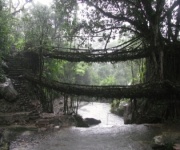
The wider Sohra area is worth exploring beyond the famous cascade. Monsoon streams, forest paths, limestone formations, and living root bridges create a landscape shaped by water. A well-planned vacation package can combine Nohkalikai Falls with other Meghalaya highlights while allowing enough time for rest, meals, and changing travel conditions.
If maximum flow is your main goal, target July through early September, start early, and allow weather to influence the day’s pace. If you prefer clearer views and easier road travel, choose late September, October, or the drier winter months and accept that the waterfall may be less powerful.
Choose your travel dates around the experience you value most, then arrange accommodation, transport, and local sightseeing with enough flexibility for Meghalaya’s weather. Explore Cherrapunji vacation packages and plan a memorable visit to Nohkalikai Falls when the landscape is at its most compelling.