




A complete day in Nongriat Valley from dawn until dusk
Nestled deep within the East Khasi Hills of Meghalaya, Nongriat is one of those rare places where the landscape feels carved by both nature and human hands. The village is famed for its living root bridges, a bio-engineering marvel grown over generations by the Khasi people, who trained the fig tree roots into sturdy spans across rushing streams. For travellers arriving from Sydney or Melbourne, the valley offers a counterpoint to the orderly trails of the Blue Mountains or Tasmania's Overland Track, swapping sandstone cliffs for mossy ravines and bamboo ladders.
Reaching the village from Cherrapunjee takes a little over an hour by road, followed by roughly 3,500 steps carved into the hillside. Most visitors aim to begin the descent early, when the morning mist still clings to the ridges and the path is shaded. Spending a full day here means pacing yourself, taking breaks in the lower village, and saving energy for the climb back up. The experience rewards those who treat it as a slow immersion rather than a tick-box trek.
Comparing the phases of a Nongriat day
A well-paced itinerary turns the trek from a slog into a layered experience. Most guided groups structure the day around the energy demands of each segment, allowing for long rest stops at natural anchors like the lower village and the river pools. The rhythm below mirrors what travellers familiar with multi-stage bushwalks, such as Tasmania's Overland Track, often plan into their own schedules.
| Phase | Approximate time | Energy needed | Highlight |
|---|---|---|---|
| Pre-dawn departure | 4:30 – 7:00 AM | Low | Quiet roads, cool air |
| Descent to valley | 7:00 – 9:00 AM | High | Stone steps, forest canopy |
| Root bridge visit | 9:00 – 11:30 AM | Moderate | Double decker bridge crossing |
| Rainbow Falls trek | 11:30 AM – 1:30 PM | Moderate to high | Limestone pools, river crossings |
| Village lunch and rest | 1:30 – 3:30 PM | Low | Khasi home-cooked meal |
| Return ascent | 3:30 – 6:00 PM | High | Stone steps, late afternoon light |
| Evening at Cherrapunjee | 6:00 – 9:00 PM | Low | Local dinner, reflection |
Pre-dawn departures are common because the lower village fills with returning visitors by mid-morning, and afternoon cloud cover can make the climb back slippery. With this rhythm in mind, the rest of this guide walks through each segment in the order a typical day unfolds.
Getting to Nongriat from Cherrapunjee
The morning begins with a short drive along a winding road that cuts through pine groves and terraced fields. Most tour vans leave Cherrapunjee before sunrise, a habit that would feel familiar to anyone used to early starts for a Brisbane River run or a Sunday drive to the Yarra Valley wine region. The road ends at a small car park where local guides gather, often with walking sticks for hire and a thermos of tea to warm cold hands.
From the car park, the trail begins almost immediately. The first stretch passes through a village where hens peck at the dirt and children wave at passing strangers. A small entry fee supports the community, and the funds help maintain the steps and bridges that the village relies on for foot access during the monsoon. Australians, accustomed to the strict national parks pass system in places like New South Wales, will appreciate how transparently the money is used here.
The descent into the valley
The descent takes around 90 to 120 minutes depending on pace, and the steps switchback through dense subtropical forest. Tree ferns tower overhead, and the air grows noticeably cooler as the trail drops into the ravine. Travellers who have tackled the Cape to Cape track in Western Australia or the Great Ocean Road walks will find the terrain different, with slick limestone rather than granite, and a hush that comes from being enclosed by canopy rather than coastal wind.
About halfway down, a side path leads to a smaller single-decker root bridge that has been reinforced with bamboo. Many guides pause here to explain how the Khasi ancestors directed the roots of rubber fig trees across streams using betel nut trunk scaffolding, a process that can take 15 to 30 years before the bridge is strong enough to walk on. The patience involved resonates with Australian readers familiar with long-term environmental projects such as the Great Barrier Reef restoration work or Tasmania's old-growth forest conservation efforts.
The famous double decker root bridge
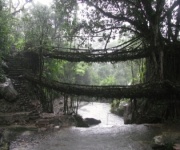
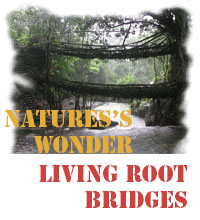
The double decker root bridge is the reason most visitors come to Nongriat, and it does not disappoint. The lower span sits above a clear stream where small fish dart between pebbles, while the upper bridge arches over the same channel a few metres higher. The two structures were grown at different times over the past century or more, and they meet at a viewing platform where most visitors stop for photos.
Crossing the bridge requires stepping on the woven roots, which are firm but springy. The Khasi guides often lead the way, pointing out where newer root shoots are being trained into the structure to keep it strong for future generations. Anyone who has watched surf lifesavers in Cronulla or the iron men and women at Sydney's northern beaches will recognise a similar culture of community pride, where a local tradition is tended and passed down with care.
Rainbow falls and natural pools
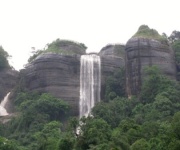
After the double decker, the trail continues upstream toward Rainbow Falls, a cascade that pours over a horseshoe of limestone into a deep turquoise pool. The walk takes another 45 minutes and involves scrambling over slick rocks, so sturdy footwear is essential. The pool is cold year-round, but on a clear morning the sun warms the upper edges enough for a quick dip.
Locals come here on weekends to swim and picnic, and visitors are often welcomed to join them. The falls sit within a community-managed conservation area, similar in ethos to Australian Indigenous-led protected landscapes such as those under the Northern Territory's joint management arrangements. Rules are simple: take only photos, leave only footprints, and respect any signs about restricted access during fish-breeding seasons.
Khasi village life and local food
The lower village of Nongriat sits at the base of the descent, and a pause here feels like stepping into a slower rhythm of life. Houses are built on stilts with tin roofs, and small kitchen gardens grow pumpkin, beans, and ginger. Many families offer home-stays or simple meals of rice, dal, smoked pork, and fermented soy, all served on banana leaves. The kitchen smells tend to be just as memorable as the views, with smoke curling from clay stoves and the tang of preserved bamboo shoots drifting into the lane.
By early afternoon, most visitors are ready for a hearty meal. Small home kitchens in Nongriat and the upper village serve thalis that include sticky rice, pumpkin flower fritters, and a fiery chutney made from fermented soybean and chilli. Tea, brewed strong with locally grown leaves, is poured into steel tumblers and offered generously. Anyone who has spent time exploring Melbourne's laneway coffee culture or Brisbane's Eat Street markets will find the Khasi version more rustic but equally heartfelt.
For those who packed light, snacks such as bananas, boiled eggs, and packets of roasted nuts are available from stalls near the trailhead. Bottled water is widely sold, although travellers used to Australia's strict quarantine rules will be unsurprised to learn that plastic waste is being actively reduced here, with refill stations now operating at both the upper and lower villages.
The climb back up and evening wind-down
The return climb is widely considered the harder half of the day. The same 3,500 steps feel longer when the sun has shifted and the legs are tired, so most groups begin the ascent by 3:30 PM. Guides usually set a steady pace and call for regular water breaks, especially during the warmer months between February and May. Listening to a podcast about AFL or Australian rules football, or chatting about a recent State of Origin match, helps some trekkers distract themselves from burning thighs.
Back at Cherrapunjee by late afternoon, the reward is a warm meal and a soft bed. Many visitors continue their journey the next day toward Umngot River from Dawki, where the famously clear waters offer a gentle counterpoint to the muscular trek just completed. The contrast between the steep Khasi hills and the glassy river is part of what makes a Meghalaya itinerary so varied.
Independent travel to Nongriat is possible but challenging, since local guides must often be arranged on arrival and the trail can be slippery during and just after the rains. Travellers flying in from Australia will appreciate the convenience of a pre-arranged package that includes transport from Cherrapunjee hotels, an experienced Khasi guide, packed lunch, and return transfers. India Beacons Sojourn runs multi-day Meghalaya itineraries that include Nongriat as a core day, with options to extend toward Dawki, Mawlynnong, or the wilder southern gorges.
To reserve a spot or ask about visa requirements, monsoon advisories, and what to pack, get in touch through the contact page on the Cherrapunjee website. Booking a few weeks ahead is recommended during the October to March high season, particularly for travellers hoping to add the Umngot River day and a stay in a Cherrapunjee resort to their plans.