





The Complete Itinerary for a 4-Night Cherrapunjee Package
Cherrapunjee, also known as Sohra or Cherrapunji, is a destination of dramatic contrasts. In a single day, you can stand beside a powerful waterfall, walk through a cool limestone cave, cross a living root bridge and watch clouds move across green Khasi hills. A four-night stay gives you enough time to see the major sights without turning every morning into a race.
This itinerary is designed as a five-day journey, usually beginning and ending in Guwahati. The drive from Guwahati to Cherrapunjee takes several hours, yet the road is part of the experience, passing through Shillong, forested hills, viewpoints and villages. Your driver and accommodation can adjust the order according to weather and road conditions.
For travellers from Australia, the journey is a significant change of pace. Someone used to the urban scale of Sydney, Melbourne or Brisbane will find smaller roads, flexible meal times and a much stronger connection between daily life and the landscape. The reward is a slower, more immersive holiday shaped by waterfalls, local food and Khasi culture.
Rainfall is central to Sohra’s identity, but the wet season should not be treated as a reason to cancel. Waterfalls are at their most spectacular then, while winter and the drier months often offer clearer walking conditions. Good planning means allowing time for delays, carrying suitable footwear and leaving space for unplanned viewpoints along the way.
Before You Leave Australia
Most international visitors fly to Guwahati, the main gateway for Meghalaya, with connections through cities such as Delhi, Kolkata or Mumbai. From Guwahati, Cherrapunjee is reached by road. Australians should check the current Indian visa rules before booking flights, as visa categories, passport validity requirements and permitted entry airports can change. An Indian e-tourist visa may be suitable for many holidaymakers, but eligibility should be confirmed through the official Indian visa system.
Australian biosecurity legislation is strict when you return home. Fresh fruit, meat, seeds, soil and many food products may need to be declared or may be prohibited. Local spices, packaged snacks and tea can be excellent souvenirs, but keep them sealed and check the Department of Agriculture, Fisheries and Forestry requirements before packing them for the flight back.
The best itinerary also depends on your arrival time. If your flight reaches Guwahati late in the afternoon, staying overnight near the airport or in Shillong can make the first day more comfortable. If you arrive early, you can begin the road journey towards Sohra after breakfast and reach your resort by evening.
Day One: Guwahati To Cherrapunjee
After breakfast, leave Guwahati for the hill road to Cherrapunjee. The route commonly passes through Shillong, Meghalaya’s capital, where you can pause for lunch, fuel and supplies. Shillong is useful for purchasing rain protection, medicines, snacks and cash before continuing into areas where shops are less frequent.
The drive becomes increasingly scenic as the urban landscape gives way to pine-covered slopes, open ridges and Khasi villages. Build in short stops rather than trying to cover every viewpoint. The journey may take longer than expected during rain, roadworks or holiday traffic, so a flexible schedule is more practical than a tightly timed transfer.
After checking into your resort or hotel, keep the evening easy. Enjoy a warm meal, listen to the rain and prepare for the next day’s sightseeing. A short walk near the property may be possible, but avoid setting out on unfamiliar trails after dark. Many local roads have limited lighting, and wet surfaces become slippery quickly.
If you enjoy regional flavours, use the first evening to sample Khasi dishes such as jadoh, dohneiihong or tungrymbai, depending on the menu. Tea and simple snacks are ideal after the drive; travellers planning a food-focused stop can explore tea and snacks served at scenic local places.
Day Two: Waterfalls, Viewpoints And Caves
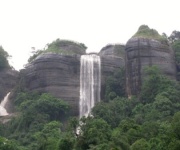
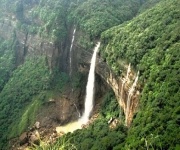
Begin with Nohkalikai Falls, one of the most recognisable sights near Cherrapunjee. From the viewpoint, the waterfall drops into a vivid blue-green pool surrounded by steep forested cliffs. The appearance changes with the weather: mist can soften the valley, while clear conditions reveal more of the escarpment. Arrive early when possible for a quieter visit and better photography.
Continue to Mawsmai Cave, a natural limestone cave with narrow passages, textured walls and occasional low sections. The main route is manageable for many visitors, but it can be wet, uneven and cramped. Closed shoes with reliable grip are more useful than sandals, and people who dislike confined spaces may prefer a shorter visit.
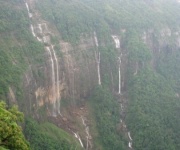
After lunch, visit the Seven Sisters Falls viewpoint if visibility allows. During the monsoon, water streams down the cliff face in several parallel ribbons. In drier months, the falls may be less powerful, yet the broad valley views remain worthwhile. The nearby viewpoints are exposed, so carry a light waterproof layer even when the morning begins in sunshine.
Finish with a relaxed stop at a local market or village shop. Meghalaya’s markets are practical places rather than polished tourist precincts, with seasonal produce, betel nut, smoked foods, woven goods and household items. Bargaining is not appropriate everywhere; ask the price politely, pay fairly and request permission before photographing vendors or people.
Day Three: Living Root Bridges And Forest Trails
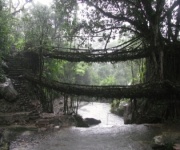
Day three is dedicated to the living root bridges, among the most distinctive experiences in Meghalaya. These structures are formed by guiding the aerial roots of rubber fig trees across streams and ravines. They take years, and sometimes generations, to become strong enough for regular use, making them examples of living local engineering rather than constructed monuments.
The exact walk depends on your fitness and the bridge selected. A shorter route may involve a manageable village trail, while the famous double-decker bridge near Nongriat requires a long descent and a demanding climb back. The steps can be steep, mossy and uneven. A local guide is strongly recommended for route knowledge, safety and cultural context.
Leave early, carry enough water and allow several hours without another major attraction scheduled immediately afterwards. The walk is rewarding because of the forest itself: streams, ferns, insects, bamboo, birds and changing light create a more intimate experience than a roadside viewpoint. A walking pole can help on wet steps, and trekking sandals with secure straps are preferable to smooth-soled footwear.
Return to your accommodation for a late lunch and rest. The evening can be spent at a nearby viewpoint or simply at the resort. This slower period matters because the bridge walk is physically more demanding than many visitors expect. If heavy rain is forecast, your driver or guide may recommend changing the route for safety.
Day Four: Culture, Parks And A Flexible Day
Use the fourth day to explore attractions that complement the waterfalls and bridges. Options may include Arwah Cave, Thangkharang Park, the Khoh Ramhah viewpoint or additional village landscapes around Sohra. Arwah Cave usually feels more adventurous than Mawsmai because the route involves a forest walk and a less enclosed setting, although conditions can still be slippery.
Thangkharang Park provides wide views towards the plains and Bangladesh on a clear day. Visibility is never guaranteed, especially during the rainy season, so treat the viewpoint as a bonus rather than the sole purpose of the day. The changing clouds and dramatic escarpment are part of the scenery even when the distant horizon disappears.
A cultural stop can add meaning to the landscape. Learn about Khasi traditions, village life and the community role of root bridges from a local guide rather than relying only on photographs. Dress modestly for villages and religious or community spaces, ask before taking pictures and avoid treating residents as part of the scenery.
Keep the afternoon flexible. You may want to revisit a favourite waterfall, spend time reading at the hotel or browse for woven products and locally produced tea. In Australia, many travellers are accustomed to fixed café hours and card payments everywhere; in rural Meghalaya, small businesses may close early and cash remains useful. Carry smaller notes and do not assume every shop accepts international cards.
Costs, Comfort And Daily Planning
A four-night package usually works best when it includes accommodation, private road transfers, breakfast and sightseeing logistics. Clarify whether entrance fees, local guides, meals, fuel surcharges and airport transfers are included. Prices vary according to room standard, vehicle type, season and whether you travel during heavy rainfall or peak holiday periods.
Accommodation ranges from comfortable resorts with valley views to simpler guesthouses. Ask about hot water, heating, power backup, Wi-Fi and the distance to restaurants before confirming. Cherrapunjee’s climate can feel cool and damp, even when Australian visitors expect tropical warmth. Drying clothes may take time, and a room with reliable hot water can make a major difference after a wet walk.
The following outline shows how the days fit together:
| Day | Main route and experiences | Overnight |
|---|---|---|
| Day one | Guwahati to Shillong and Cherrapunjee, scenic stops, resort check-in | Cherrapunjee |
| Day two | Nohkalikai Falls, Mawsmai Cave, Seven Sisters Falls, local market | Cherrapunjee |
| Day three | Living root bridge trek, forest streams and village trails | Cherrapunjee |
| Day four | Arwah Cave, Thangkharang Park, viewpoints and cultural visits | Cherrapunjee |
| Day five | Breakfast, return drive to Guwahati and onward flight | Travel onward |
Practical Choices For A Smoother Trip
- Pack a waterproof jacket, quick-drying clothes and a bag cover rather than relying on a compact umbrella alone.
- Wear shoes with firm grip for cave floors, stone steps, forest paths and wet viewpoints.
- Carry Indian rupees in smaller denominations, while keeping cards and important documents secure.
- Book a vehicle with an experienced local driver who understands hill roads and seasonal conditions.
- Confirm Indian visa requirements, travel insurance and any current local registration or entry rules before departure.
- Bring reusable water bottles, personal medicines, insect repellent and a torch for power cuts or dim paths.
- Leave room in the schedule for rain, road delays and spontaneous stops at villages or viewpoints.
With four nights, Cherrapunjee can be experienced as more than a checklist of waterfalls. The journey combines Meghalaya’s living landscapes with practical comfort: a scenic arrival, two full days of nature, a cultural and flexible fourth day, and a manageable return to Guwahati. Review the available Cherrapunjee packages, match the accommodation and transport arrangements to your travel style, and arrange the trip with India Beacons Sojourn so your Meghalaya holiday is ready for the road, the rain and the remarkable scenery.