




Scenic tea stops and Khasi snacks around Cherrapunjee
Cherrapunjee, also known as Sohra or Cherrapunji, is a destination of dramatic landscapes: mist-filled valleys, plunging waterfalls, limestone caves, and green hills shaped by extraordinary rainfall. A cup of hot tea feels especially rewarding here, whether it is enjoyed from a roadside stall, a small café, a hotel terrace, or a viewpoint above the clouds.
Local tea breaks are often simple and unhurried. You may find black tea with ginger, milk tea, lemon tea, or a warming red tea served alongside pukhlein, rice-based cakes, momos, pakoras, or other freshly prepared snacks. The setting often matters as much as the menu, with food stalls opening towards cliffs, forested slopes, and distant waterfalls.
A scenic snack stop also offers a gentle way to experience everyday Meghalaya. Instead of rushing between attractions, travellers can pause to watch clouds move through the valleys, listen to rain on a tin roof, and sample flavours associated with Khasi homes and market kitchens.
Begin with tea and snacks in Sohra town
Sohra’s central market area is a practical starting point for a local food trail. Small eateries and tea stalls serve residents, drivers, students, and visitors, so the atmosphere is generally more authentic than that of a large tourist complex. Morning is a good time to look for hot tea, fried snacks, steamed dumplings, and simple breakfast dishes.
Pukhlein is one of the snacks worth seeking out. Made with rice flour and jaggery, it has a soft, slightly chewy texture and a gentle sweetness that works well with strong tea. Depending on the stall, you may also find banana fritters, samosas, pakoras, or local rice cakes. Portions are usually modest, making it easy to try several items during a market walk.
Sohra town does not offer a sweeping view from every tea shop, but its surrounding streets can still feel scenic in misty weather. On a clear morning, glimpses of green ridges appear between buildings, while the market provides a convenient place to purchase water, fruit, and snacks before heading towards the waterfalls and viewpoints.
Enjoy the road to Mawkdok Dympep Valley
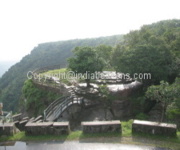
The drive from Shillong towards Sohra passes through some of Meghalaya’s most memorable highland scenery. Mawkdok Dympep Valley is a popular stopping point, with a broad outlook over layered hills and deep folds in the landscape. Tea, coffee, instant noodles, packaged snacks, and locally prepared items are commonly available around busy viewpoints, although opening hours and choices can vary.
A hot drink at Mawkdok is particularly enjoyable in cool or misty weather. The valley may appear sharply defined one moment and almost disappear beneath drifting cloud the next. Visitors should allow enough time to step away from the vehicle, take in the view, and enjoy their snack rather than treating the stop as a quick photograph.
The road itself has scattered tea stalls and small refreshment points. Some are basic, with plastic chairs or covered counters, while others have a more open outlook across the hills. A roadside stop may not have a fixed menu, so it is useful to carry small notes or digital payment options and to be flexible about what is available.
Pair refreshments with waterfall viewpoints
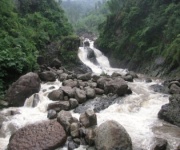
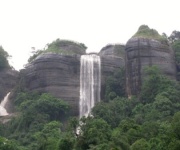
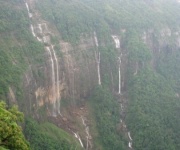
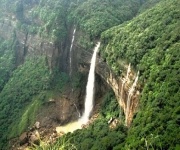
The viewpoints around Nohkalikai Falls and Seven Sisters Falls provide some of the most dramatic places for a tea break near Cherrapunjee. Nohkalikai’s blue-green pool and forested cliffs are best viewed in changing light, while Seven Sisters Falls becomes especially impressive during and after the monsoon. Nearby stalls usually focus on easy-to-serve refreshments rather than elaborate meals.
Tea and a savoury snack can be a welcome pause after walking around a viewpoint area. Try a plate of momos, a fried snack, or a bowl of noodles if available, then find a sheltered place to enjoy the scenery. During the wet season, keep food covered and protect phones and cameras from sudden showers.
Crowds can be heavier during weekends and holiday periods. Early visits usually provide cooler temperatures, softer light, and a calmer experience. Some waterfalls become less forceful during dry months, but the surrounding cliffs, forests, and broad valley views still make these locations worthwhile for a leisurely drink.
| Scenic stop | What to enjoy | Best viewing mood | Practical note |
|---|---|---|---|
| Sohra market | Pukhlein, tea, momos, fried snacks | Lively and local | Go in the morning for the widest choice |
| Mawkdok Dympep Valley | Tea, coffee, noodles, packaged snacks | Open valley and moving clouds | Carry a light rain layer |
| Nohkalikai Falls area | Tea and quick savoury bites | Dramatic cliffs and changing light | Allow time for viewpoints and walking |
| Seven Sisters Falls area | Hot drinks and simple snacks | Monsoon greenery and cascades | Waterfall volume changes by season |
| Arwah Cave surroundings | Tea or packed refreshments after exploring | Forest, rock formations, and quiet | Wear shoes with good grip |
| Resort or hotel terrace | Local dishes with tea | Private, relaxed, weather-protected | Reserve ahead during peak travel dates |
Take a tea break near caves and forest paths
The cave country around Sohra provides a different kind of landscape from the open waterfall viewpoints. Mawsmai Cave is well known and comparatively accessible, while Arwah Cave involves a walk through forested terrain before reaching its limestone formations. A warm drink and a small snack can be especially welcome after navigating damp paths and uneven ground.
Travellers interested in exploring beyond the best-known cave should read about hidden caves near Sohra before planning their route. Conditions can change after rain, and local guidance is valuable when paths become slippery or visibility is reduced.
There may not always be a dedicated café immediately beside a cave entrance. A better approach is to enjoy tea at a nearby roadside stall, carry a small packed snack from Sohra, or return to a hotel or resort after the visit. Avoid leaving wrappers in forest areas, and keep food sealed when monkeys or other animals are nearby.
Discover Khasi flavours beyond sweet snacks
Tea stops become more memorable when paired with regional food rather than only familiar fast food. Khasi cuisine includes rice, pork, fish, fermented soybean, sesame, greens, and aromatic herbs. A local restaurant or homestyle kitchen may offer dishes such as jadoh, doh khleh, dohneiihong, tungrymbai, or seasonal vegetable preparations.
Doh khleh, traditionally prepared with pork and onions, is often served as a salad-like dish with a fresh, savoury flavour. Jadoh combines rice with meat and spices, while tungrymbai uses fermented soybean for a distinctive, earthy taste. These dishes are more substantial than tea-time snacks, but they fit naturally into a relaxed midday food stop.
Visitors who prefer milder food can ask about ingredients and spice levels before ordering. Vegetarian travellers will usually find rice, noodles, momos, fried vegetables, dal, and seasonal greens, though the variety depends on the location. A small local eatery may have only a few dishes each day, which is part of the experience rather than a limitation.
Add history and culture to the view
A scenic food stop can also become an opportunity to understand the cultural landscape around Sohra. Khasi communities have a long relationship with hills, forests, rain, and stone, and many places carry stories that cannot be understood through scenery alone. Travellers who want useful context can explore this guide to Khasi monoliths before visiting sites associated with local history and memory.
Monoliths and standing stones are found in several parts of Meghalaya and may mark important people, events, or community traditions. They encourage a slower style of sightseeing: observe respectfully, learn what the site represents, and avoid climbing or touching structures without permission. A tea break nearby can provide time to reflect on how the landscape and culture are connected.
When visiting villages, sacred groves, churches, memorial sites, or family-owned attractions, dress modestly and follow local instructions. Asking before photographing people, homes, ceremonies, or private land is a simple courtesy. The most rewarding food experiences often come through this same attitude of attention and respect.
Choose the right stop for the weather
Cherrapunjee’s weather can change quickly. A clear morning may become cloudy by lunchtime, and a brief shower can turn a beautiful viewpoint into a wet, windy stop. Tea stalls with covered seating are useful during the monsoon, while open terraces are more comfortable on dry days when distant ridges are visible.
The season also affects what appears on the plate. Rainy months bring lush scenery and powerful waterfalls, but paths may be muddy and outdoor seating less dependable. The cooler months generally offer more comfortable walking and clearer views, while the warmer period may be suitable for longer drives and cave visits. No season guarantees perfect visibility, so plan around flexibility rather than a fixed photograph.
For multi-day trips, vary the pace by combining a market breakfast, a viewpoint tea, a waterfall visit, and a relaxed evening meal. Resorts and hotels around Sohra can provide a comfortable base, particularly for travellers who want to return indoors after a wet day. Confirm meal timings in advance if your itinerary begins early or includes remote attractions.
Pack thoughtfully for a local food trail
A few practical choices make tea and snack stops easier, cleaner, and more comfortable. Carry a reusable water bottle, tissues, hand sanitiser, and a small bag for rubbish. Lightweight rainwear is useful throughout much of the year, while comfortable shoes are essential for viewpoints, cave paths, and forest walks.
Keep cash available for smaller stalls, even though many established businesses accept digital payments. If you have allergies or dietary restrictions, explain them clearly before ordering. Travellers who avoid pork should ask about ingredients, since pork is common in many Khasi dishes and may be used in shared kitchens.
- Carry a compact rain jacket and footwear with reliable grip.
- Try one sweet snack and one savoury item with your tea.
- Choose covered seating during periods of heavy rain or wind.
- Ask before photographing stall owners, cooks, or local residents.
- Leave viewpoints, caves, and roadside stops free of litter.
These small habits help preserve the atmosphere that makes a tea break in Sohra so appealing. They also leave more time to appreciate the scenery instead of dealing with wet bags, unsuitable footwear, or an unexpectedly closed food counter.
Plan the day around two or three scenic stops rather than trying to eat at every attraction. A driver or local guide can help identify fresh food, adjust the route to weather conditions, and recommend places that suit your interests. On a private tour, it may also be possible to arrange a packed breakfast or early tea for a sunrise departure.
Build a relaxed Cherrapunjee holiday
The best refreshments around Cherrapunjee are often tied to a particular moment: ginger tea while clouds cover Mawkdok Valley, pukhlein after a market walk, noodles beside a waterfall viewpoint, or a quiet cup after returning from a cave trail. These pauses bring together local flavour, dramatic scenery, and the unhurried character of Meghalaya.
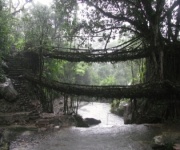
A two- to seven-night holiday can include Sohra’s waterfalls, caves, living root bridges, viewpoints, cultural sites, and carefully chosen food stops without making every day feel rushed. Browse the available Cherrapunjee tours and vacation packages at Cherrapunjee.net, then contact India Beacons Sojourn to arrange a journey that combines comfortable stays with memorable local tea and snack experiences.